
Commercial & Industrial Steam Cleaners | Pure Steam Cleaners.uk


Quick Summary
Steam cleaning can remove odours when the steam reaches the source, because heat and moisture lift the residue that carries the smell out of the surface. Steam cleaning odours works best on hard, sealed surfaces, and it only masks a smell when the source is deep or left behind.
- Steam removes odour-causing residue, whereas a scent only masks the smell.
- Always extract or wipe up loosened material straight after steaming.
- Test delicate or uncertain fabrics on a hidden area before steaming them.
- Let surfaces dry fully, because trapped moisture can bring the smell back.
- Call a specialist for urine, mould or sewage odours, or if the smell persists.
Table of Contents
- Does Steam Cleaning Remove Odours, or Only Mask Them?
- How Steam Cleaning Works on Smells
- Which Surfaces and Fabrics Respond Well to Steam
- Step-by-Step: Removing an Odour with Steam
- Troubleshooting Persistent Smells After Steaming
- Drying Time and Moisture Control After Steaming
- When to Steam Clean for Commercial Hygiene, and When to Call a Specialist
- Frequently Asked Questions
Does Steam Cleaning Remove Odours? A Practical Guide for UK Commercial Sites
Last Updated: November 14, 2026
Does Steam Cleaning Remove Odours, or Only Mask Them?
Steam cleaning odours can be removed in some cases, but only when the steam reaches the source. At Pure Steam Cleaners, we see the same question from facility managers and contract cleaners: will the smell actually go, or will it just return a day later? The honest answer depends on where the odour lives and how deep it sits.
Masking happens when a scent covers a smell without touching what causes it. Removal happens when heat and moisture lift the residue that carries the odour out of the surface. Steam is far better at the second.
Watch out: a hot, damp surface that is not dried quickly can hold moisture and encourage new smells. Plan for drying time before you let the area back into use.
How Steam Cleaning Works on Smells
When it comes to steam cleaning odours, the smell usually comes from residue rather than the air. Food fats, body oils, urine salts and bacteria cling to fibres, grout and metal. Steam works by heating these deposits so they soften and loosen. As those softened deposits loosen, treating the fabric promptly can help remove food smells before they settle deeper into the upholstery.
Our Pure i8 and i6-SV machines produce steam at pressures of 8 bar and 6 bar respectively.
Steam works in three steps:
- Heat softens fats, oils and dried deposits.
- Moisture lifts loosened material out of fibres and cracks.
- Vacuum or wiping removes the residue before it dries back in.
If you skip the last step, you may simply move the smell around.
Which Surfaces and Fabrics Respond Well to Steam
Steam is not equally effective on everything, and the difference between a good result and a ruined finish often comes down to the material. Hard, non-porous surfaces such as stainless steel, tiles, sealed stone and sealed flooring respond well because the heat and moisture sit on the surface and the residue can be wiped away. Soft furnishings are more variable: the same heat that loosens odour-causing residue can also shrink a fibre, bleed a dye or delaminate a backing.
Before you steam any fabric, check the care label. Treat any fabric with no clear care guidance as a test-first item. Test on a hidden area, the back of a sofa cushion, the inside hem of a curtain, the underside of a chair seat, and allow it to dry fully before you judge the result. Some damage, such as shrinkage or colour bleeding, only appears once the fabric dries.
A practical hierarchy looks like this:
- Hard, sealed surfaces: usually the most reliable results. Work in small sections and wipe immediately.
- Sealed flooring: good results when dried promptly; standing moisture can dull some sealants.
- Tight-weave upholstery: effective for surface odours. Use a fabric tool and keep the nozzle moving.
- Loose-weave and pile fabrics: steam can reach the surface but may not penetrate to deep-set odour; over-wetting can also flatten pile.
- Delicate fabrics: silk, wool, some velvets and anything with a visible pile direction are high-risk. Heat and moisture can cause shrinkage, colour bleeding or a permanent mark.
- Leather and coated fabrics: generally unsuitable for direct steam; heat can crack or lift the finish.
Watch out: a fabric that looks fine while damp can shrink or bleed as it dries, so always complete a hidden-area test and let it dry before steaming the visible surface.
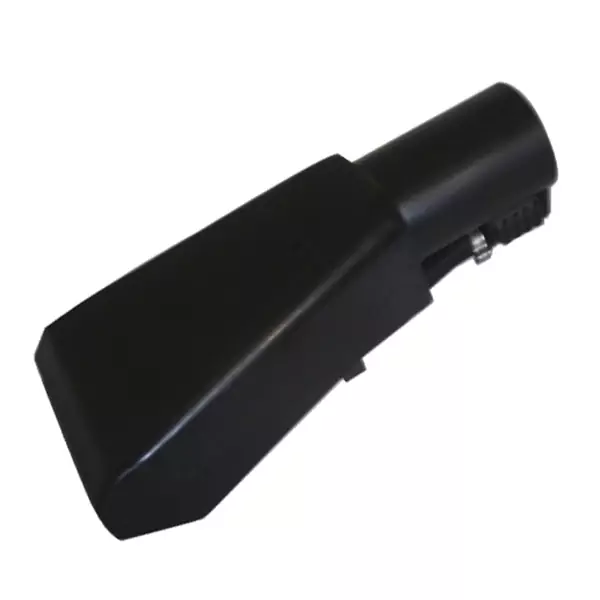
For soft furnishings, the Steam and Vacuum Upholstery Tool (SV-CVK13) at £49.20 is available for fabric surfaces. Browse the upholstery tool for fabric surfaces to see how it is designed for this work. Even with the right tool, deep-set odour in thick cushioning may sit below the reach of steam, and a specialist assessment may be the better route.
Step-by-Step: Removing an Odour with Steam
Follow these steps for the best chance of removing a smell rather than covering it.

- Identify the source. Find where the smell is strongest. Sniff around, and check under furniture, behind equipment and in drains.
- Clear the area. Remove loose debris and any items that could be damaged by heat.
- Pre-clean heavy soiling. Wipe off thick grease or dirt first so the steam can reach the residue beneath.
- Steam the surface. Work slowly and keep the nozzle moving so the heat has time to act. Overlap each pass.
- Extract or wipe up. Use the vacuum function or a clean cloth to lift the loosened material immediately.
- Let it dry fully. Ventilate the room and allow the surface to dry before use.
- Check the result. Come back after the area has dried. If the smell returns, the source may still be present.
A common mistake is steaming too fast. Quick passes leave residue behind, and that residue keeps the smell alive.
The steps below set out the process in order, with the aim of removing the source rather than masking it.
| Step | What to do | Time or frequency |
|---|---|---|
| 1. Identify the source | Find where the smell is strongest | Before starting |
| 2. Clear the area | Remove loose debris and heat-sensitive items | Before starting |
| 3. Pre-clean heavy soiling | Wipe off thick grease or dirt first | Before steaming |
| 4. Steam the surface | Keep the nozzle moving and overlap each pass | Work slowly |
| 5. Extract or wipe up | Vacuum or wipe loosened material immediately | Straight after steaming |
| 6. Let it dry fully | Ventilate the room and allow surfaces to dry | Until fully dry |
| 7. Check the result | Return once dry and look for the smell | After drying |
Troubleshooting Persistent Smells After Steaming
If the smell lingers, work through these likely causes:
- The source is deeper than the surface. Porous materials can hold odour below the reach of steam.
- The area stayed damp. Trapped moisture can encourage new odour, so improve airflow.
- Residue was left behind. Repeat the extraction step and wipe the surface again.
- The odour is from urine or heavy contamination. Steam alone rarely solves this. Seek a specialist.
For stubborn problems on large or heavily used sites, industrial and commercial steam cleaners are built for demanding conditions. Our stain and odour removal with commercial steam cleaners covers how they handle tough deposits.
Drying Time and Moisture Control After Steaming
Drying is part of the cleaning, not an afterthought. Wet surfaces can grow mould and bacteria, which bring back odour, sometimes a mustier smell than the one you started with. The goal after steaming is to remove as much moisture as you can, as quickly as you can, without damaging the surface.
Start by extracting. Use the vacuum function or a clean, dry cloth to lift loosened residue and surface water immediately after each pass. The longer moisture sits, the more it wicks into fibres and seams. Then ventilate: open windows, run extraction fans or use the building’s mechanical ventilation where available.
A practical drying sequence:
- Extract first. Vacuum or wipe up moisture before it can soak deeper.
- Increase airflow. Open windows, use fans, or run the site’s ventilation system.
- Allow full drying time. Hard floors and surfaces should be dry before foot traffic returns; upholstery should air out thoroughly before it is used or covered.
- Check before reuse. Feel for dampness at seams, under cushions and in thick pile, not just on the surface.
Watch out: covering upholstery or returning furniture to a damp surface traps moisture and can produce a musty smell within days, so confirm the fabric is dry at its thickest point before reuse.
A persistent musty smell after steaming is a signal, not a nuisance. It may indicate that moisture has reached a layer you cannot dry, underfloor, inside cushioning, behind skirting, or that a mould problem predates the clean. In that case, stop steaming and investigate the moisture source; repeated steaming over a damp problem will not fix the odour and may worsen it. A detailed look at how steam breaks down dirt explains why the heat and vapour that loosen grime also make thorough drying important.
When to Steam Clean for Commercial Hygiene, and When to Call a Specialist
Steam cleaning suits routine hygiene on hard surfaces, regular upholstery care and surface odour control. It also avoids harsh chemicals.
Call a specialist when:
- The odour is from urine, mould or a sewage problem.
- The smell persists after several careful steaming sessions.
- The source is hidden inside structures or deep fabric.
To keep your equipment working well, follow the maintenance guidance for your model. Our commercial steam cleaner maintenance guide and advice on whether professional steam cleaning is worth it can help you decide.
Steam is a strong tool for odour removal, but it is not a cure for every smell. Match the method to the source, dry thoroughly, and you will get the best results.
Get started with Pure Steam Cleaners and tackle stubborn odours without harsh chemicals. Explore our range of chemical-free steam machines, backed by a 3-year boiler guarantee and free next working day delivery on orders placed before 1pm.
Frequently Asked Questions
Does steam cleaning remove odours?
Steam cleaning can reduce many odours when the heat and moisture reach the source of the smell, such as residue, grease or bacteria in the surface. It works best on hard surfaces and sealed fabrics. Where the odour is embedded deep in porous material, or the source is still present, steam may only lower the smell temporarily. Remove the source where possible, clean the surface thoroughly, and check the result once the area has dried fully.
Why can an odour remain after steam cleaning?
A smell often remains because the source was not reached. Odour-causing residue may sit beneath the surface, in a seam, or inside an absorbent layer that steam does not fully penetrate. Insufficient pre-cleaning, using too little steam on a heavily soiled area, or moisture left trapped during drying can also leave a smell behind. Treat the area again with attention to the specific spot, and allow it to dry completely before judging the result.
How long should a steam-cleaned surface take to dry?
Drying time depends on the material, the thickness of the fabric, the amount of water applied and the room’s ventilation. Hard surfaces usually dry within minutes, while upholstery and heavier fabrics can take several hours. Use extraction where available and keep the area ventilated, as trapped moisture can encourage mould and bring back odours. Do not allow the area to be used until it is fully dry.

