
Commercial & Industrial Steam Cleaners | Pure Steam Cleaners.uk


Chemical-free sanitising is one of those phrases that sounds slightly suspicious at first, like someone promising you a gym body without going to the gym. Yet there is real science behind it, and it is already changing how businesses think about hygiene, surfaces, and safety. Instead of relying on traditional cleaning agents, chemical-free sanitising uses high-temperature steam to break down and eliminate microbes, grime, and allergens without leaving behind residues that smell like a chemistry set exploded.
Check out our range of steam cleaners!
key Takeaways
- High-temperature steam is the core science behind chemical-free sanitising
- It relies on heat, not chemical reactions, to disrupt microbes at a cellular level
- It reduces residue build-up on surfaces, which is a quiet win for hygiene consistency
- It is widely used in commercial settings where safety and efficiency matter
- It supports more environmentally conscious cleaning practices without sacrificing performance
What is chemical-free sanitising and why does it matter?

Chemical-free sanitising is a method of cleaning that uses heat, typically in the form of dry steam, to kill bacteria, viruses, and other unwanted guests that have overstayed their welcome on surfaces. The idea is simple: if something cannot survive extreme heat, it does not survive the process. No detergents, no disinfectant cocktails, just temperature doing the heavy lifting. In practice, chemical-free sanitising matters because it reduces dependency on harsh cleaning agents while still delivering consistent hygiene standards, especially in places with high footfall.
How does steam achieve hygiene without chemicals?
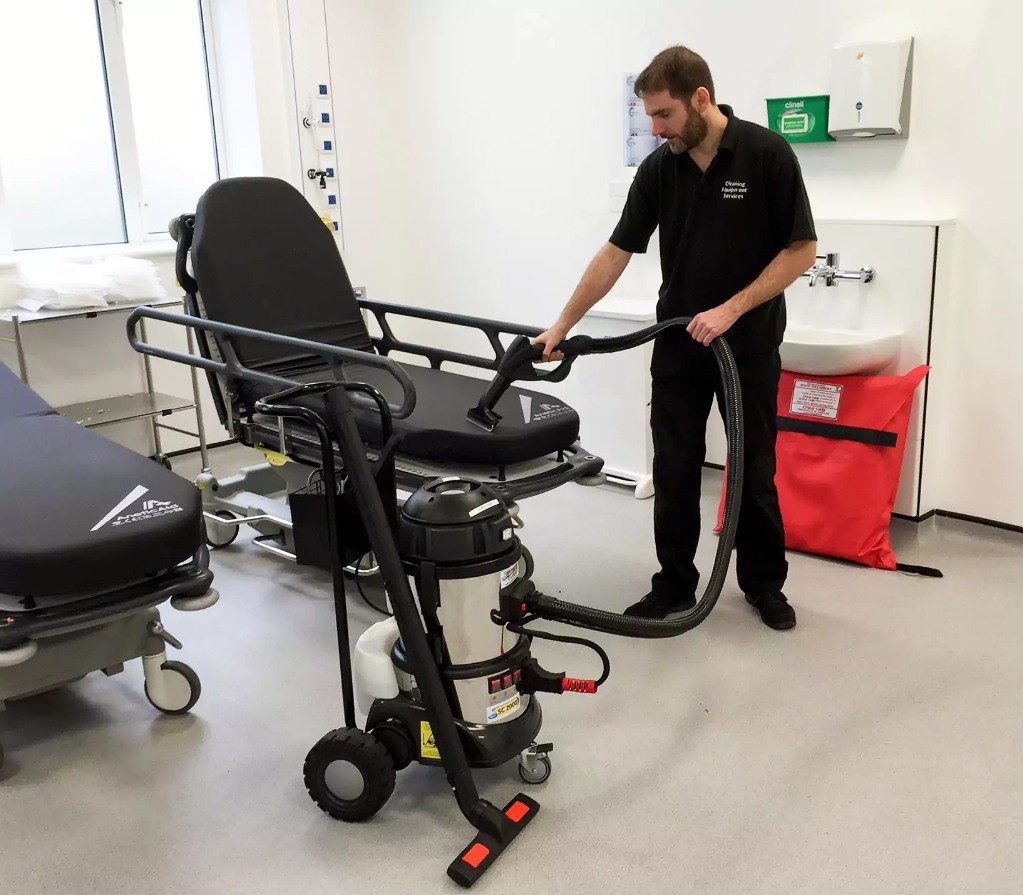
Chemical-free sanitising works by heating water to produce steam at temperatures often above 100°C. When this steam comes into contact with surfaces, it disrupts the structure of microbes by denaturing proteins and breaking cell membranes. Think of it like giving bacteria a sauna session they did not sign up for, except they do not leave refreshed. Chemical-free sanitising relies on this physical process rather than chemical reactions, which means there is no residue left behind.
Why does temperature matter so much in sanitising?

Chemical-free sanitising depends heavily on temperature because heat is what actually destroys microorganisms. Most bacteria and viruses have a limited tolerance to heat, and once that threshold is crossed, their structures begin to break down rapidly. chemical-free sanitising uses controlled, consistent heat so that even stubborn pathogens do not get a chance to recover or adapt. It is not dramatic, just very final.
Is chemical-free sanitising safe for workplaces?

Chemical-free sanitising is widely used in workplaces because it avoids chemical exposure risks while still maintaining hygiene standards. Staff are not inhaling strong fumes, surfaces are not coated in residue, and there is less need for storage of hazardous cleaning products. Chemical-free sanitising also reduces slip hazards caused by leftover cleaning solutions, which is a bonus nobody complains about during an audit.
What science sits behind steam sanitation?

Chemical-free sanitising is rooted in thermodynamics and microbiology. When steam contacts a surface, it transfers latent heat energy rapidly, causing microbial structures to destabilise. Chemical-free sanitising also benefits from moisture penetration, which allows heat to reach microscopic crevices where bacteria like to hide. It is less about scrubbing and more about physics doing what it does best, which is quietly ruining things for germs.
Does it actually kill bacteria and viruses effectively?

Chemical-free sanitising is effective because most pathogens cannot withstand sustained high temperatures. Research in thermal disinfection shows that prolonged exposure to steam temperatures can significantly reduce microbial load. Chemical-free sanitising is not about partial reduction either, it is about disruption at a cellular level, where survival becomes structurally impossible rather than statistically unlikely.
Where is chemical-free sanitising most effective in commercial settings?

Chemical-free sanitising is especially useful in environments like hospitality venues, healthcare facilities, schools, and food preparation areas. These are places where cleanliness is not optional and where chemical residues can create their own problems. Chemical-free sanitising works well on surfaces such as floors, tiles, stainless steel, and upholstery, making it surprisingly versatile for something that mainly involves hot water and confidence.
Can chemical-free sanitising replace traditional cleaning products?

Chemical-free sanitising can reduce reliance on traditional products, but it does not always erase them entirely from the picture. Some situations still require targeted detergents, especially for heavy grease or specialised contamination. Chemical-free sanitising often works best as a primary method, with chemicals playing a supporting role rather than running the whole show like an overworked stage manager.
What about allergens and dust mites in chemical-free sanitising?

Chemical-free sanitising is particularly effective against allergens such as dust mites because high heat disrupts their life cycle and removes the conditions they thrive in. Chemical-free sanitising also helps reduce pollen residues and general irritants that cling to fabrics and upholstery. It is not glamorous work, but neither is sneezing in meetings.
How does moisture and heat interaction improve cleaning?

Chemical-free sanitising uses the combination of heat and moisture to soften dirt and break microbial bonds more efficiently than dry heat alone. Steam penetrates porous surfaces and loosens debris while simultaneously applying thermal stress. chemical-free sanitising benefits from this dual action, making it more effective in corners, seams, and other places that regular cleaning tools treat as optional destinations.
Check out our range of steam cleaners!
What is the environmental impact of steam-based hygiene?

Chemical-free sanitising reduces the need for bottled cleaning agents, which cuts down on chemical waste and packaging. It also lowers the volume of wastewater containing detergents entering drainage systems. Chemical-free sanitising is not a magical environmental solution, but it does reduce chemical load in day-to-day operations, which adds up over time in a way that is hard to ignore.
How does chemical-free sanitising affect operational costs?

Chemical-free sanitising can reduce ongoing supply costs because it relies mainly on water and electricity rather than repeated purchases of chemical products. Equipment investment exists upfront, but chemical-free sanitising often balances this through reduced replenishment costs and simplified stock management. Nobody enjoys running out of cleaning fluid mid-shift anyway, especially when everything already smells faintly of panic.
What are the common myths about chemical-free sanitising?

Chemical-free sanitising is sometimes dismissed as “just hot water”, which is a bit like calling espresso “just brown liquid”. Another myth is that it is slower or less effective than chemical methods. In reality, chemical-free sanitising often reduces cleaning steps because it combines sanitising and surface cleaning in one process. It is less drama, more results.
How can businesses implement chemical-free sanitising daily?

Chemical-free sanitising can be introduced into daily cleaning routines by identifying high-touch surfaces first, then applying steam-based methods consistently across those areas. Chemical-free sanitising works best when integrated into structured schedules rather than treated as an occasional deep clean. Staff training is simple, mostly involving understanding that heat does the work and patience does the rest.
What industries benefit most from chemical-free sanitising?

Chemical-free sanitising is particularly useful in hospitality, healthcare, education, transport, and retail environments where hygiene expectations are high and turnaround times are tight. Chemical-free sanitising supports fast cleaning cycles without leaving chemical residue behind, which is helpful when spaces need to be used again almost immediately. It is practical rather than flashy, which is usually what businesses actually need.
What changes when you switch to chemical-free sanitising approaches?

Chemical-free sanitising changes how cleaning is approached at a structural level. Instead of layering products, processes become more focused on heat application and surface contact time. Chemical-free sanitising often simplifies routines, reduces storage clutter, and shifts attention towards method rather than mixtures. Companies like ours operate within this space, offering systems designed around steam-based hygiene rather than chemical-heavy routines. Chemical-free sanitising also tends to encourage more consistent standards because there is less variation between products and application methods, which keeps things refreshingly predictable in a world that rarely is.
Check out our range of steam cleaners!
Pure Steam Cleaners specialises in hiring and selling powerful, self-descaling commercial and industrial dry steam cleaners. Our machines are ideal for deep cleaning in kitchens, healthcare facilities, and manufacturing plants without harsh chemicals. Hires and sells new and second-hand cleaning equipment, including industrial vacuums, floor scrubbers, pressure washers, and floor polishers at Cleaning Equipment Services Ltd. We’re always available to answer any questions and provide guidance on the best cleaning methods and procedures. We’re also very patient and accommodating with explaining the operation and maintenance of the equipment.
