
Commercial & Industrial Steam Cleaners | Pure Steam Cleaners.uk

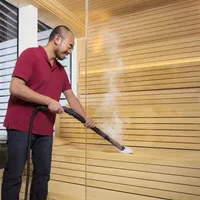
Keeping spas and wellness centres genuinely clean is about more than making surfaces look tidy. Steam cleaning gives teams a practical way to tackle body oils, soap residue, grime, unpleasant odours and hard-to-reach contamination without relying on a cupboard full of chemicals. For spas & wellness centres, the right steam cleaning routine can make busy areas easier to maintain while helping staff achieve a deeper clean between customers.
Check Out The Best Steam Cleaners For Health Spas & Wellness Centres
Key Takeaways
- Steam can loosen stubborn grime, grease, soap residue and build-up from a wide range of surfaces.
- Regular steam cleaning can help tackle the areas that conventional wiping often misses.
- Choosing the right steam cleaner matters when cleaning large, busy commercial premises.
- High steam output helps staff work through cleaning jobs without repeatedly going over the same areas.
- A sensible steam cleaning routine can support cleaner facilities, fresher surroundings and faster turnaround times.
Why Is Steam Cleaning Useful in Spas & Wellness Centres?

Steam cleaning is useful because it tackles dirt with heat and moisture rather than simply moving it around. In a busy spa, surfaces can collect sweat, body oils, lotions, creams, soap residue and general grime surprisingly quickly. A cloth might make a counter look clean while leaving plenty behind in corners, joints and textured surfaces. Steam gets into those awkward areas and helps loosen the mess so it can be removed.
For spas & wellness centres, this makes steam particularly useful as part of a wider cleaning routine. It can be used on floors, tiles, wash areas, changing facilities, treatment rooms and other hard surfaces where cleanliness matters every day.
Which Areas Should You Steam Clean First?
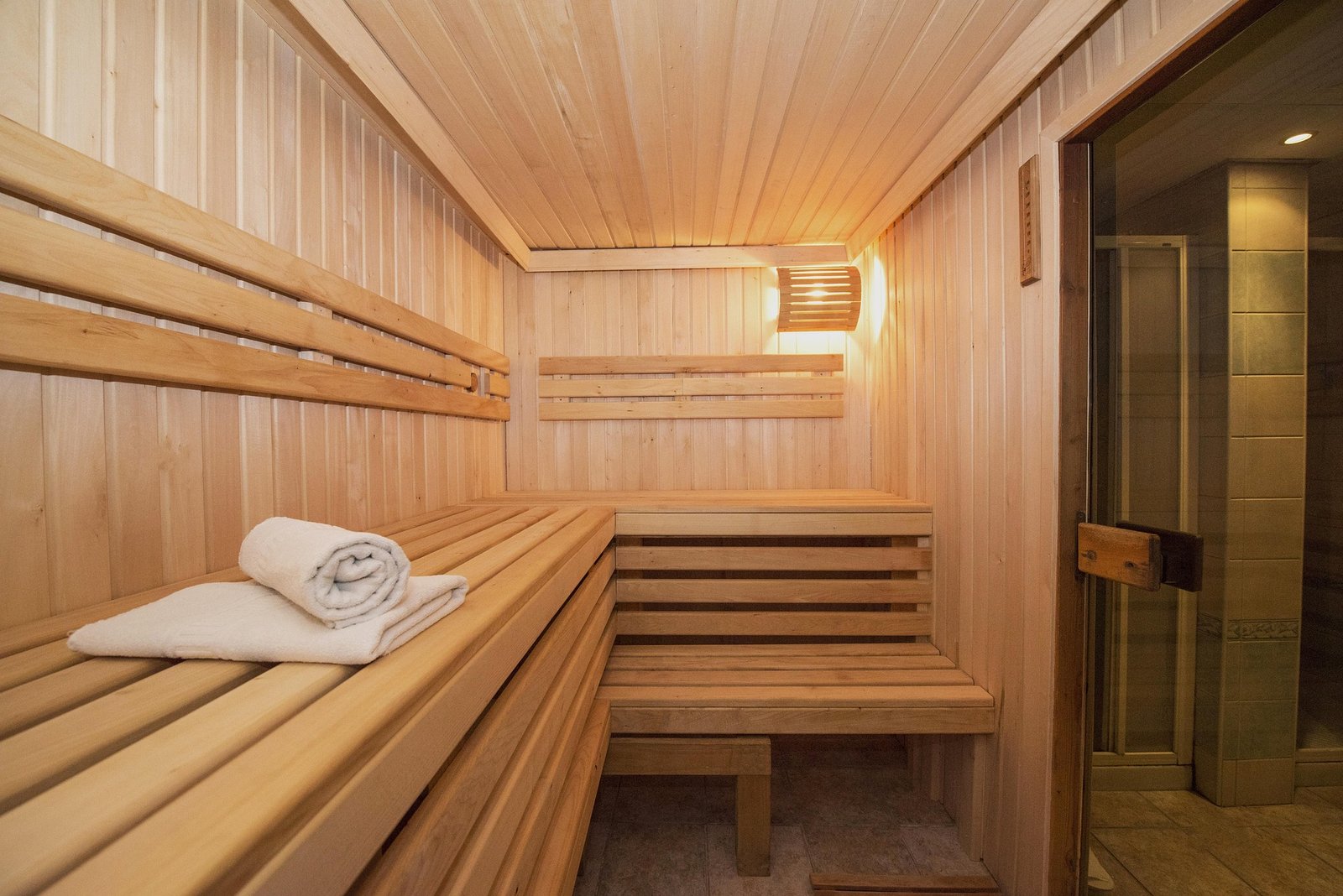
Start with the areas that experience the most contact, moisture and product build-up. That usually means changing rooms, showers, treatment areas, washrooms and around sinks. These spaces tend to receive plenty of attention from customers, which means they also receive plenty of sweat, water, lotions and general human existence.
Steam cleaning can help staff work through these areas systematically rather than waiting until visible grime becomes a problem. Paying attention to edges, corners, grout lines, fixtures and awkward gaps is especially useful because these are the places where dirt likes to settle.
How Can Steam Help Clean Spa Floors?

Spa floors have a difficult job. They need to cope with constant foot traffic, moisture and whatever customers happen to bring in on their shoes. Around pools, showers and changing areas, there can also be soap residue and body oils that gradually create a dull or slippery-looking surface.
Steam can help loosen this build-up before it is removed. For suitable hard flooring, it can be used as part of a regular cleaning process to deal with grime around edges, joins and other awkward sections. The key is to use the correct steam setting and cleaning tool for the flooring material rather than assuming every surface wants the same treatment.
Can Steam Clean Shower Areas Effectively?

Yes, shower areas are one of the places where steam cleaning can be particularly useful. Soap residue, body oils and mineral deposits can quickly build up around shower fittings, tiles, screens and grout.
A concentrated steam tool can help soften this residue, making it easier to wipe away. Rather than scrubbing away at every little patch until your arms start filing a formal complaint, staff can use steam to loosen the build-up first and then remove it.
For spas & wellness centres, regular attention to showers can also prevent small cleaning jobs becoming much larger ones.
What About Grout and Tile Joints?
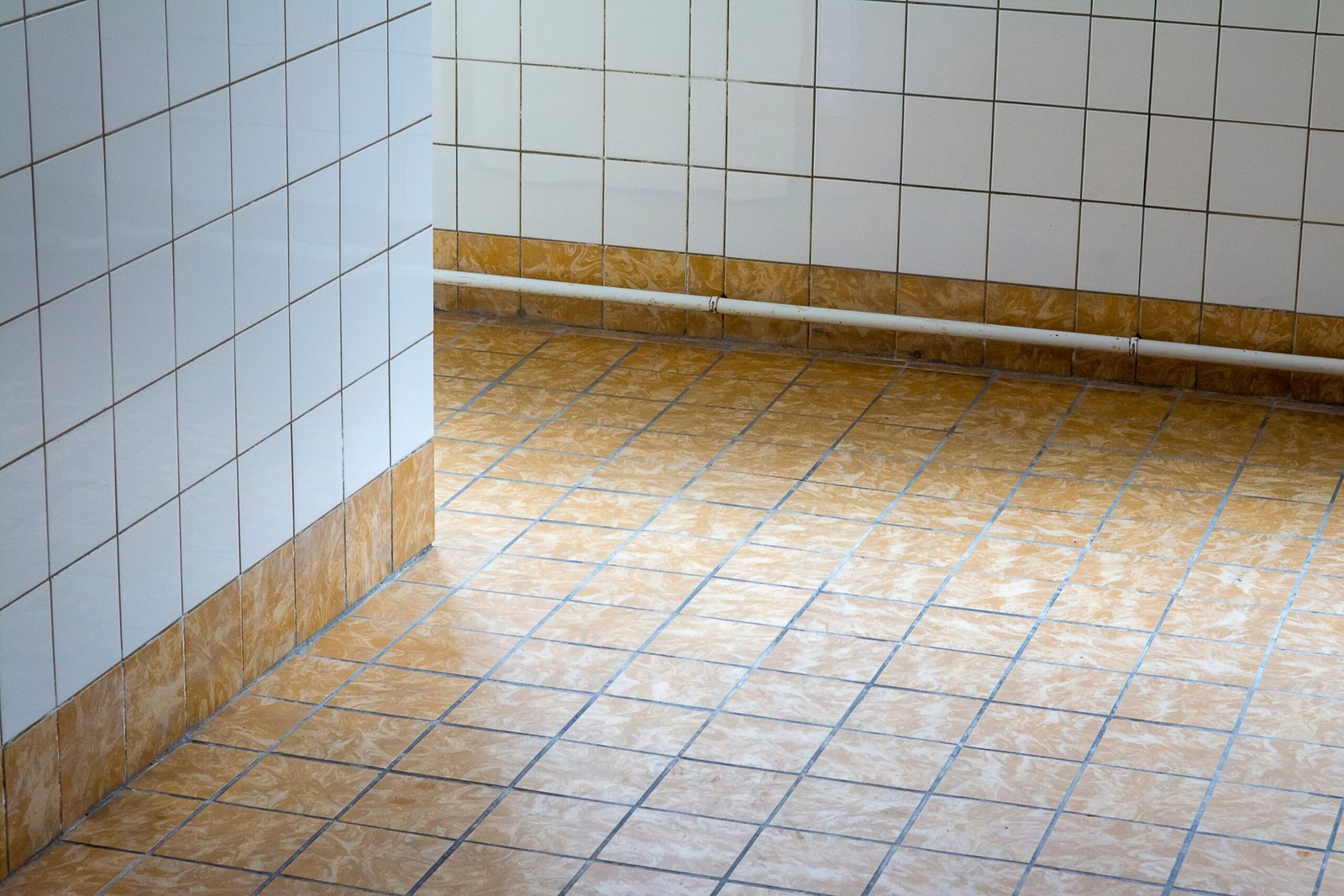
Grout lines are notorious for collecting dirt. Their uneven surface gives grime plenty of places to hide, particularly in damp environments.
Steam can work into these narrow joints and loosen dirt that a flat mop or cloth may struggle to reach. A suitable nozzle or brush can help direct steam precisely where it is needed. This is particularly useful around showers, changing rooms and tiled treatment areas.
The aim is not simply to make the tile look clean from a distance. It is to deal with the dirt sitting in the places that are easiest to overlook.
How Can Steam Help With Soap and Product Residue?
Spa environments often involve products such as oils, creams, lotions, gels and soaps. They are part of the experience, but they are not particularly welcome as permanent residents on the floor.
Steam helps soften and loosen residue so it can be removed more easily. This can be especially useful around sinks, treatment areas, shower rooms and other spaces where products are regularly used.
A good cleaning routine should deal with residue before it has time to become a stubborn layer. The longer it sits there, the less interested it becomes in leaving quietly.
Can Steam Help With Unpleasant Odours?

Steam cleaning can help remove the sources of some unpleasant smells rather than simply covering them with fragrance. Odours can develop when sweat, oils, product residue and grime remain on surfaces or collect in hard-to-reach areas.
Cleaning those surfaces properly can help reduce the material contributing to the smell. This is useful in changing rooms, treatment areas and wash facilities where freshness is part of the customer experience.
For spas & wellness centres, this matters because a room can look spotless while still smelling less than spotless.
How Should Treatment Rooms Be Steam Cleaned?

Treatment rooms should be cleaned methodically between uses, with particular attention given to areas that come into frequent contact with people, equipment and products. Hard surfaces, floors, sinks, fittings and other suitable areas can be treated with steam as part of the cleaning process.
Avoid rushing through the room simply because it looks clean. Treatment rooms often contain plenty of small surfaces and equipment where residue can collect. Working from cleaner areas towards dirtier areas can also help prevent unnecessary recontamination.
What Should You Do With Changing Rooms?

Changing rooms need regular attention because they combine high foot traffic with moisture and frequent contact. Benches, floors, lockers, handles, sinks and surrounding surfaces can all require cleaning throughout the day.
Steam can be useful for suitable hard surfaces, particularly where grime has accumulated around edges and joints. A consistent routine is more useful than waiting until the room looks obviously dirty.
For spas & wellness centres, this is one of those areas where customers notice the little things. Nobody wants to step into a changing room and immediately start inspecting the floor like a crime scene.
Can Steam Be Used Around Sinks and Wash Areas?

Steam is well suited to many hard surfaces around sinks and wash areas, where soap, toothpaste, creams, oils and water deposits can build up.
Use a suitable attachment to concentrate steam around taps, joins, edges and other awkward points. Once the residue has been loosened, wipe the area clean and dry where appropriate.
Regular steam cleaning can make these areas easier to maintain because staff are dealing with build-up before it becomes heavily established.
Check Out The Best Steam Cleaners For Health Spas & Wellness Centres
How Do You Clean Around Fixtures and Fittings?

Fixtures and fittings often need more detailed attention than large flat surfaces. Taps, handles, shower fittings, drains and edges can have plenty of small gaps where grime accumulates.
This is where the right attachment makes a difference. A concentrated nozzle allows staff to direct steam into narrow areas instead of spraying a whole surface unnecessarily.
Work carefully around seals, electrical components and materials that are not suitable for steam. Steam cleaning is powerful, but it is not a licence to point a nozzle at absolutely everything in the building.
Should Spas Use Steam Instead of Chemicals?

Steam does not necessarily need to replace every cleaning product. It can be used alongside existing cleaning procedures where appropriate.
One of its biggest advantages is that it gives cleaning teams another way to tackle dirt and residue. For suitable surfaces, steam can loosen grime without requiring large quantities of chemical cleaner for every task.
This can be particularly useful for spas & wellness centres looking to reduce unnecessary chemical use while still maintaining a thorough cleaning routine.
How Often Should Spa Areas Be Steam Cleaned?

There is no single schedule that suits every premises. High-traffic areas generally need attention more often than rooms used occasionally.
A sensible approach is to identify the surfaces that become dirty fastest and give them more frequent cleaning. Showers, changing areas and washrooms may need daily or multiple daily attention, while less heavily used areas can be included in scheduled deep-cleaning routines.
The important thing is consistency. A fantastic deep clean once a month will not compensate for three weeks of grime being allowed to settle in.
What Should You Look For In a Commercial Steam Cleaner?

Look beyond the pressure figure alone. A commercial steam cleaner needs to produce enough usable steam to keep up with the work being carried out.
Steam volume, continuous output, reliability and the available attachments all matter. A machine that produces strong, consistent steam can help staff work through cleaning tasks without constantly stopping to wait for the machine to recover.
For spas & wellness centres, choosing a machine suited to the size and workload of the premises can make the difference between steam cleaning being a useful daily tool and becoming another piece of equipment gathering dust in a cupboard.
Why Does Continuous Steam Output Matter?

Continuous steam output matters because interruptions slow the job down. If staff have to repeatedly stop and wait for a machine to recover, the cleaning process becomes frustrating and time-consuming.
We design our Pure steam cleaners to provide high steam output for their pressure rating, helping cleaning teams maintain a consistent flow of steam while working through demanding jobs.
That matters when you are cleaning a commercial premises rather than a kitchen table.
How Does Self-Descaling Help?

Limescale is a common problem in steam cleaners, particularly when machines are regularly filled with hard water. Over time, calcium carbonate can build up inside components and restrict performance.
Our patented self-descaling boiler system is designed to help prevent this build-up from clogging the pipes and internal components. That means the machine can continue producing the steam needed for demanding cleaning work without the same level of manual descaling associated with many conventional systems.
For spas & wellness centres, where a steam cleaner may be used frequently, keeping the machine performing properly is just as important as knowing how to use it.
How Can Staff Get Better Results From Steam Cleaning?
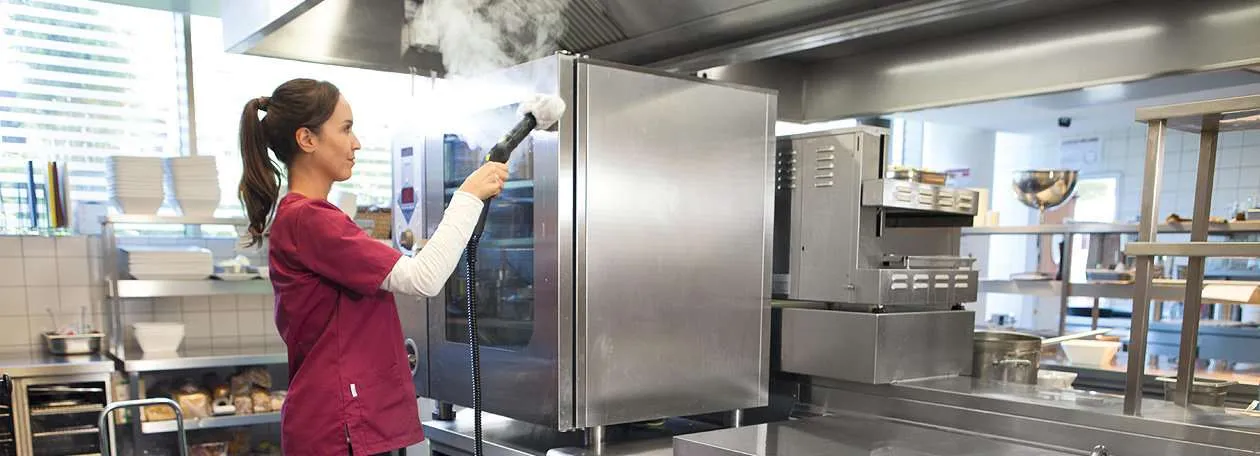
Good technique makes a difference. Give the steam time to work rather than immediately blasting through an area and moving on. For stubborn residue, work in manageable sections and use the correct attachment for the surface.
Have staff follow the same general process each time. Start by removing loose dirt, use steam to loosen remaining grime, wipe away the residue and finish the area appropriately.
Training also helps. We provide access to our Training Academy, where customers can find useful videos, tips and courses to help staff get more from their machines.
How Can Steam Cleaning Fit Into a Busy Spa Routine?
The best cleaning routine is one that staff can actually follow during a busy working day. Instead of treating steam cleaning as a huge separate task, build it into existing cleaning schedules.
Use it for regular maintenance in high-use areas and reserve more detailed work for scheduled deep cleans. Keeping the machine accessible also makes a difference. If it is buried behind six boxes and something labelled “miscellaneous”, it is unlikely to be used very often.
For spas & wellness centres, a practical routine can help keep cleaning consistent even when the premises are busy.
How Can Pure Steam Cleaners Help Your Cleaning Team?

We build our steam cleaners for commercial and industrial cleaning, with a focus on producing high volumes of usable steam rather than simply chasing a bigger pressure number.
Our self-descaling systems are designed to keep steam flowing consistently, while our range of machines and attachments allows cleaning teams to tackle different surfaces and jobs around a commercial premises.
If you are looking for a steam cleaner for spas & wellness centres, we can help you choose a machine based on the areas you need to clean, how frequently it will be used and the type of dirt your team is dealing with. The right machine should make cleaning easier, not give your staff another complicated job to learn.
Check Out The Best Steam Cleaners For Health Spas & Wellness Centres
Pure Steam Cleaners specialises in hiring and selling powerful, self-descaling commercial and industrial dry steam cleaners. Our machines are ideal for deep cleaning in kitchens, healthcare facilities, and manufacturing plants without harsh chemicals. Hires and sells new and second-hand cleaning equipment, including industrial vacuums, floor scrubbers, pressure washers, and floor polishers at Cleaning Equipment Services Ltd. We’re always available to answer any questions and provide guidance on the best cleaning methods and procedures. We’re also very patient and accommodating with explaining the operation and maintenance of the equipment.
