
Commercial & Industrial Steam Cleaners | Pure Steam Cleaners.uk

Key Takeaways
- Steam cleaning cuts through bacteria without relying heavily on harsh chemicals
- High-touch areas in nurseries & daycares need daily attention, not just weekly deep cleans
- Proper preparation saves time and stops unnecessary disruption during cleaning
- Soft furnishings and toys need a structured cleaning approach to stay safe
- Professional steam cleaning can reduce outbreaks and keep standards consistent
Check out our range of steam cleaners!
What makes steam cleaning ideal for childcare settings?

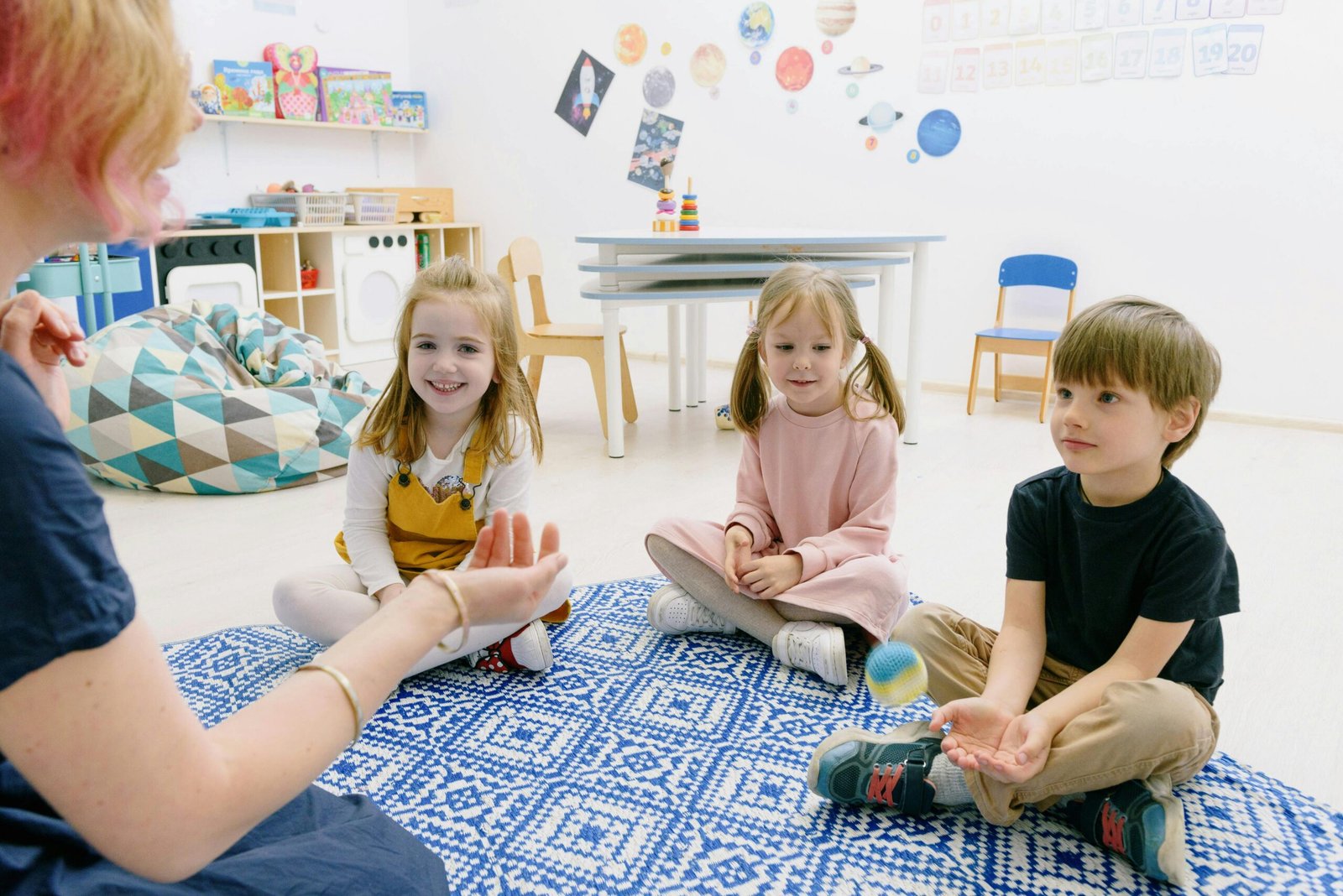
Steam cleaning works so well in nurseries & daycares because steam gets into surfaces in a way cloths and sprays simply cannot manage. Steam reaches high temperatures that help break down bacteria and grime quickly. In childcare environments, sticky fingerprints appear faster than staff can finish a coffee, so speed matters. It also reduces reliance on chemical products, which is helpful when everything in the room eventually ends up in someone’s mouth.
How often should cleaning be scheduled?

Regular steam cleaning helps keep nurseries & daycares under control alongside daily surface cleaning. High-use rooms like play areas may need more frequent attention. Think of it like laundry: ignore it too long and everything starts to feel a bit suspicious.
Which areas in nurseries & daycares need the most attention?

High-contact surfaces are the main priority in environments like this. Door handles, low tables, chair arms, mats, and anything within toddler reach should be at the top of the list. If it is below waist height, it has probably been touched, climbed on, or both. Bathrooms and nappy changing areas need even closer attention.
Is steam cleaning safe around children?

One of the main reasons steam cleaning is used in childcare settings is its reliance on heat and water instead of heavy chemicals. Timing is the key factor. Rooms should not be occupied during active cleaning. Once finished, surfaces dry quickly and there is no lingering chemical smell hanging around.
What equipment works best for nursery cleaning?

Commercial-grade steam cleaners are usually required to maintain consistent pressure and temperature. Smaller handheld units work for spot cleaning, but larger systems are better for floors and upholstery. At Pure Steam Cleaners, we provide equipment and services designed for environments where hygiene standards cannot be left to chance or optimism.
How do you prepare rooms before steam cleaning?
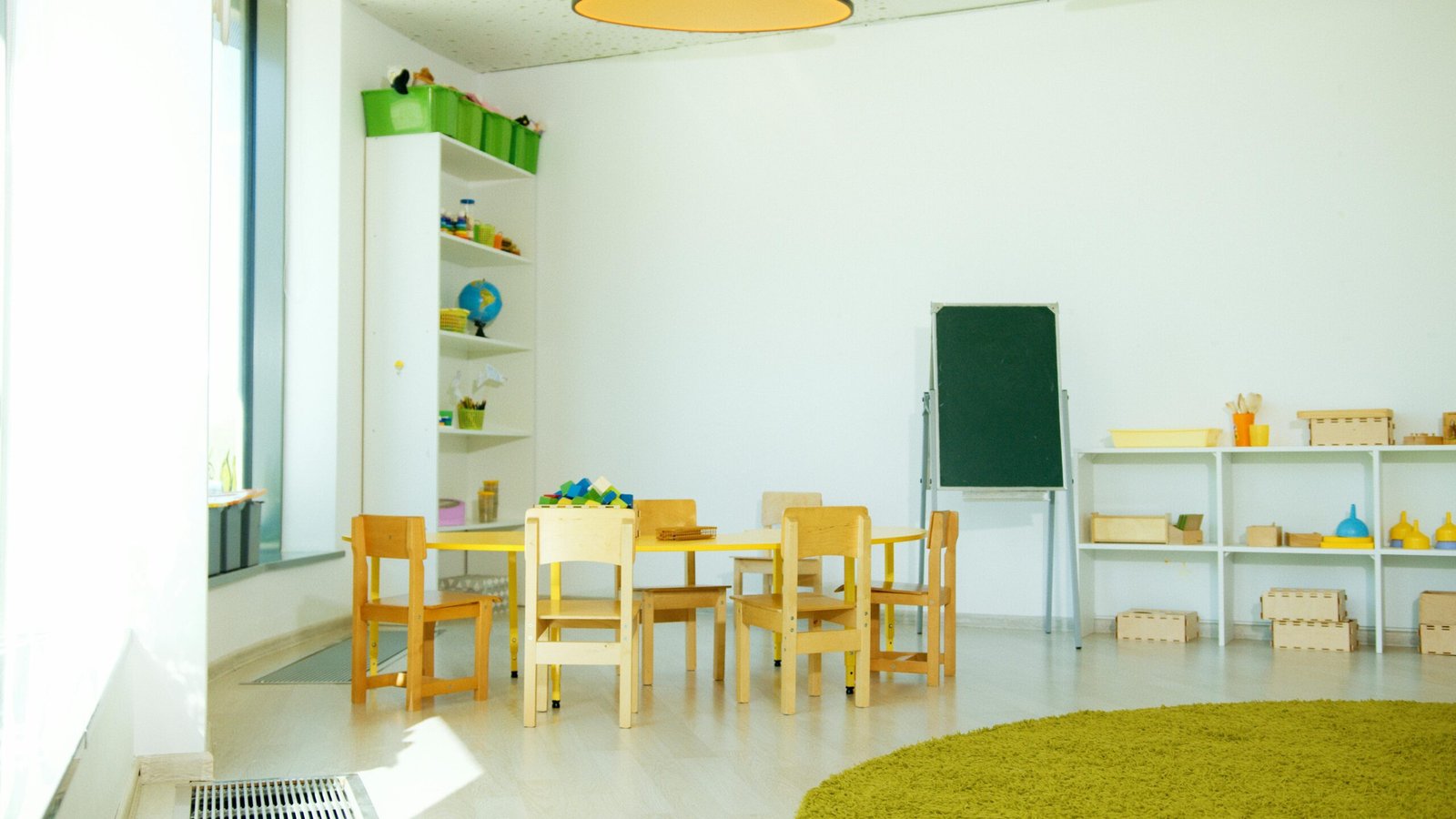
Preparation is where most of the efficiency comes from. Remove toys, clear floors, and store anything that does not respond well to moisture. Organising the space beforehand also helps avoid disrupting daily routines more than necessary. It is essentially tidying before the real tidying begins.
Check out our range of steam cleaners!
What surfaces can be steam cleaned safely?

Many common surfaces respond well to steam cleaning. Hard floors, tiles, sealed surfaces, and most washable upholstery are suitable. Carpets can also be treated if the equipment allows it. However, untreated wood or delicate painted finishes need caution. If unsure, test a small area first.
Can steam cleaning reduce illness spread?

Steam cleaning helps reduce surface contamination, which plays a role in limiting illness spread in nurseries & daycares. It is not a complete solution, but it does help break down bacteria and viruses on toys, tables, and floors. In busy environments, every layer of cleaning support matters.
How do you handle toys and soft furnishings?

Soft items require a structured cleaning routine. Toys should be washed regularly or steam-treated where suitable. Foam mats and cushions need scheduled cleaning cycles. Anything that cannot be cleaned properly should be rotated out rather than left in constant use.
What mistakes should be avoided in nurseries & daycares?

Mistakes usually happen when cleaning becomes rushed. Over-wetting surfaces, using too much pressure, and cleaning around clutter instead of removing it are common issues. Another classic mistake is assuming something is clean just because it looks fine.
How does steam compare with chemical cleaning?

Steam cleaning reduces reliance on chemical-heavy cleaning products. It uses heat instead of residues, which is useful in environments where children constantly touch or sit on surfaces. Chemicals still have their place, but steam offers a cleaner alternative for routine sanitising.
What training is needed for staff?

Basic training helps staff use steam equipment safely and effectively. This includes understanding suitable surfaces, safe operation, and knowing when not to use steam. It is more about confidence and consistency than technical skill.
How do you maintain hygiene between deep cleans?

Daily routines carry most of the workload between steam cleaning sessions. Wiping high-touch areas, cleaning spills quickly, and rotating toys all help maintain standards. It is the small, consistent actions that keep everything from drifting out of control.
What role does ventilation play after cleaning?

Good airflow is important after steam cleaning. Ventilation helps surfaces dry faster and prevents moisture build-up. It also keeps the room comfortable for children returning to normal use.
How do professional services improve results?

Consistency is often the hardest part in busy childcare environments. At Pure Steam Cleaners, we provide equipment and services designed for environments where hygiene standards cannot be left to chance or optimism. Professional support helps maintain steady standards and reduces pressure on internal teams, especially where cleaning demands never really slow down.
Check out our range of steam cleaners!
Pure Steam Cleaners specialises in hiring and selling powerful, self-descaling commercial and industrial dry steam cleaners. Our machines are ideal for deep cleaning in kitchens, healthcare facilities, and manufacturing plants without harsh chemicals. Hires and sells new and second-hand cleaning equipment, including industrial vacuums, floor scrubbers, pressure washers, and floor polishers at Cleaning Equipment Services Ltd. We’re always available to answer any questions and provide guidance on the best cleaning methods and procedures. We’re also very patient and accommodating with explaining the operation and maintenance of the equipment.
