
Commercial & Industrial Steam Cleaners | Pure Steam Cleaners.uk


Churches and heritage sites carry centuries of stories in their stone walls, wooden pews, tiled floors, and stained glass windows. They also carry centuries of dust, soot, candle wax, and the mysterious crumbs left behind after community tea mornings. Cleaning these spaces needs care, patience, and methods that do not turn a priceless feature into a very expensive regret. That is where steam cleaning steps in. For churches and heritage sites, steam cleaning offers a gentle but effective way to clean delicate surfaces without drowning them in chemicals or buckets of water.
Check out our Range of Steam Cleaners!
Key Takeaways
- Steam cleaning helps protect delicate materials often found in churches and heritage sites
- Low moisture cleaning reduces the risk of damage to stone, wood, and plaster
- Regular maintenance prevents long term staining and grime build-up
- Professional equipment reaches awkward corners that ordinary cleaning misses
- Careful steam cleaning improves hygiene without making the building smell like a swimming pool
Why Is Steam Cleaning Ideal for Historic Buildings?

Historic buildings are not built like modern offices or shopping centres. They were made with materials that need a softer touch. Old stone absorbs moisture, antique wood can warp, and decorative plaster can crumble if treated roughly. Steam cleaning works well because it uses heat and minimal water. That means churches and heritage sites can be cleaned thoroughly without soaking surfaces. It also cuts down on the need for harsh chemicals, which is good news for centuries old finishes that have already survived enough. Think of it like cleaning a vintage watch. You would not attack it with a pressure washer and blind confidence.
How Does Steam Cleaning Protect Delicate Stonework?
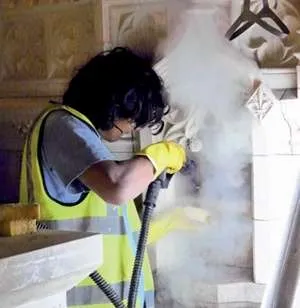
Stone surfaces in churches and heritage sites attract dirt over time. Candle soot, pollution, algae, and plain old British weather all leave their mark. Steam cleaning lifts grime gently from porous stone without grinding it deeper into the surface. The heat loosens dirt while the low moisture content helps prevent long drying times. This matters because trapped moisture can lead to cracking and erosion. Older sandstone and limestone especially benefit from controlled steam cleaning methods. Aggressive scrubbing can wear these surfaces down faster than a church roof fund disappears.
Can Steam Cleaning Be Used On Wooden Features?

Yes, but with care. Many churches and heritage sites contain antique pews, carved panels, and wooden doors that are older than most family trees. Steam cleaning can remove dirt and grease from these surfaces while avoiding over saturation. The trick is using the correct pressure and temperature. Too much moisture can damage varnishes or encourage swelling. A skilled operator keeps the steam moving and avoids concentrating heat in one spot. Wood responds well to gentle cleaning. It does not respond well to panic.
Why Is Low Moisture Cleaning Important?

Water damage is one of the biggest threats to churches and heritage sites. Excessive moisture can seep into walls, weaken plaster, stain ceilings, and encourage mould growth. Steam cleaning uses surprisingly little water compared with traditional mopping or scrubbing methods. Surfaces dry faster, which reduces disruption and lowers the risk of hidden damp problems. This is especially useful in buildings that already struggle with ventilation during colder months. Nobody wants a medieval chapel smelling like a forgotten towel.
What Areas Benefit Most From Steam Cleaning?

Several parts of churches and heritage sites respond particularly well to steam cleaning:
- Stone floors
- Wooden pews
- Tile surfaces
- Decorative carvings
- Altars and lecterns
- Brass fittings
- Door handles and railings
- Washrooms and visitor facilities
High traffic areas collect dirt quickly, especially during public events and tourist seasons. Steam cleaning helps maintain appearance without causing unnecessary wear.
Can Steam Cleaning Remove Candle Wax?

Yes, and this is where steam cleaning quietly earns its applause. Candle wax stains are common in churches and heritage sites. Scraping wax away can scratch delicate surfaces, especially stone or polished wood. Steam softens the wax gently so it can be lifted without damaging the material underneath. This method also helps remove oily residue left behind by candles. A practical solution for buildings where candles are lit more often than office kettles boil.
Is Steam Cleaning Safe For Stained Glass?
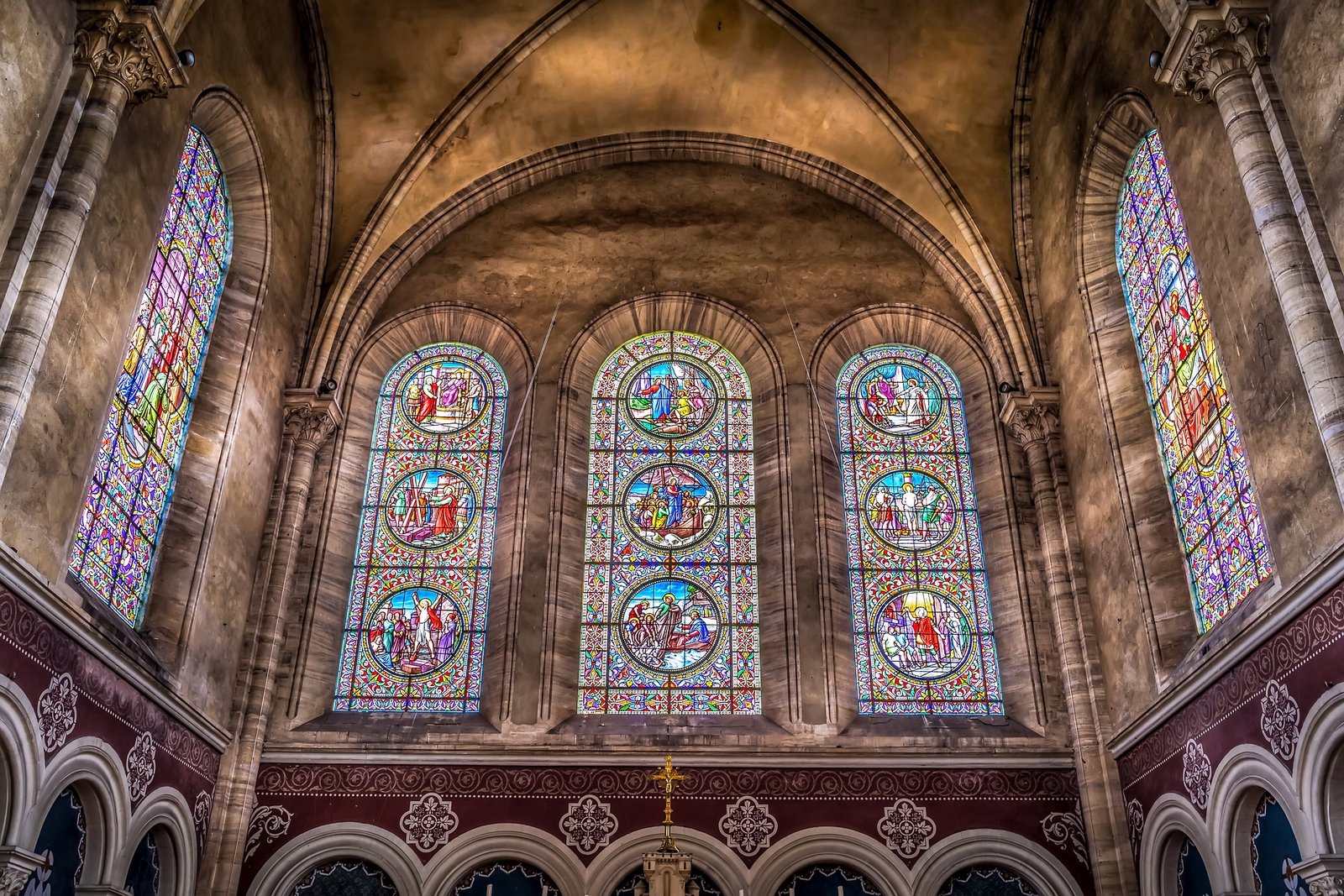
Stained glass requires a careful approach. Steam cleaning can assist with surrounding frames and leadwork, though direct application on fragile glass should always be handled cautiously. In churches and heritage sites, stained glass often contains ageing lead joints that weaken over time. Excessive heat or pressure can cause damage if handled improperly. Professional cleaners usually combine gentle steam with soft cloth techniques to clean surrounding grime safely. It is less dramatic than television restorations, but far more sensible.
How Does Steam Cleaning Improve Hygiene?

Historic buildings welcome large numbers of visitors every year. That means germs arrive alongside muddy shoes and damp umbrellas. Steam cleaning kills many bacteria and allergens through heat alone. This makes it useful for churches and heritage sites that host services, concerts, weddings, and community events. Door handles, seating areas, and washrooms benefit greatly from regular steam sanitation. It creates a cleaner environment without leaving behind strong chemical smells that could overpower the scent of old hymn books.
Can Steam Cleaning Help With Mould?

Yes, particularly in damp corners and poorly ventilated spaces. Many churches and heritage sites struggle with condensation and cold spots. Mould can form behind furniture, along stone walls, or near entrances exposed to wet weather. Steam cleaning helps loosen mould growth and sanitise affected areas. It should still be paired with proper ventilation and moisture control, otherwise the mould simply returns like an unwanted committee member.
Why Should Heritage Buildings Avoid Harsh Chemicals?

Harsh cleaning products can react badly with older materials. Some chemicals stain stone, strip wood finishes, or damage delicate paintwork. Steam cleaning reduces reliance on chemical cleaners while still producing strong results. This makes it a sensible choice for churches and heritage sites where preservation matters as much as cleanliness. Historic surfaces already carry enough scars from previous generations attempting “improvements”.
Check out our Range of Steam Cleaners!
How Often Should Churches Be Steam Cleaned?

The answer depends on foot traffic, events, and environmental conditions. Busy churches and heritage sites in city centres may need more frequent cleaning due to pollution and visitor numbers. Rural buildings may struggle more with damp, moss, or dust. Generally, high traffic areas benefit from regular maintenance cleaning every few months, while deeper cleaning schedules can be planned annually. Preventative cleaning costs less than emergency restoration. That lesson applies to buildings and knees.
What Should Be Avoided During Steam Cleaning?

A few mistakes can cause serious damage if steam cleaning is done carelessly.
Avoid:
- Excessive pressure on fragile surfaces
- Prolonged heat exposure on painted finishes
- Saturating timber or plaster
- Using domestic machines for specialist restoration work
- Cleaning without first testing small areas
Churches and heritage sites require careful assessment before cleaning begins. Every material reacts differently, especially after centuries of repairs and patch jobs.
Does Steam Cleaning Help Preserve Original Features?

Absolutely. Dirt and grime slowly wear down decorative details over time. Steam cleaning removes contaminants before they cause deeper damage. This helps preserve carvings, stonework, flooring, and wood finishes found in churches and heritage sites. Gentle maintenance extends the lifespan of original materials and reduces the need for invasive restoration work later. In heritage care, boring maintenance is usually the smartest strategy.
Why Are Professional Steam Cleaning Services Worth Considering?

Commercial steam cleaning equipment provides far greater control than household machines. Professional operators understand temperature settings, pressure levels, and material sensitivities. For churches and heritage sites, this expertise matters. One wrong cleaning attempt can damage surfaces that cannot simply be replaced from the local DIY aisle. Professional cleaners also work efficiently around public access schedules, services, weddings, and visitor hours.
What Makes Steam Cleaning Environmentally Friendly?

Many churches and heritage sites aim to reduce environmental impact while maintaining high cleaning standards.
Steam cleaning supports this by:
- Reducing chemical use
- Lowering water consumption
- Limiting waste products
- Improving indoor air quality
It is a practical option for historic buildings trying to balance preservation with modern sustainability goals. Also, fewer chemical smells make visitors less likely to wonder if the nave has recently doubled as a public swimming baths.
Can Steam Cleaning Support Long Term Building Maintenance?

Yes, regular steam cleaning forms part of a wider preservation strategy. By removing dirt, mould, oils, and pollutants early, churches and heritage sites avoid gradual surface deterioration. Clean surfaces also allow caretakers to spot cracks, leaks, or damage more quickly before problems worsen. Maintenance teams often find that preventive cleaning reduces long term repair costs significantly. It is easier to clean a floor than replace one that has been quietly suffering under decades of neglect and muddy boots.
Why Does Appearance Matter In Heritage Spaces?
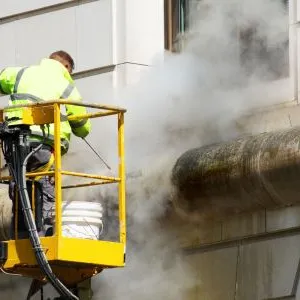
Clean surroundings shape how visitors experience a building. Whether someone attends a service, concert, exhibition, or guided tour, presentation affects perception. Well maintained churches and heritage sites feel welcoming, respected, and cared for. Steam cleaning helps preserve that atmosphere without compromising historical integrity. Dust may be historic, but nobody wants to admire it up close.
How Can Churches Prepare Before Steam Cleaning?

Preparation helps avoid accidental damage and keeps cleaning efficient.
Before work begins:
- Remove fragile objects where possible
- Protect valuable textiles and artworks
- Check ventilation systems
- Inspect surfaces for existing damage
- Test cleaning methods in small areas
Churches and heritage sites often contain hidden vulnerabilities. Slow preparation prevents rushed mistakes later.
Why Is Steam Cleaning Becoming More Popular In Heritage Care?

Cleaning methods have changed over the years. Heavy chemicals and abrasive scrubbing are now viewed far more cautiously in conservation work. Steam cleaning offers a balanced approach. It cleans effectively while respecting delicate materials and historic craftsmanship. For churches and heritage sites, that balance matters enormously. Modern cleaning technology paired with old fashioned common sense tends to work rather well.
Check out our Range of Steam Cleaners!
Pure Steam Cleaners specialises in hiring and selling powerful, self-descaling commercial and industrial dry steam cleaners. Our machines are ideal for deep cleaning in kitchens, healthcare facilities, and manufacturing plants without harsh chemicals. Hires and sells new and second-hand cleaning equipment, including industrial vacuums, floor scrubbers, pressure washers, and floor polishers at Cleaning Equipment Services Ltd. We’re always available to answer any questions and provide guidance on the best cleaning methods and procedures. We’re also very patient and accommodating with explaining the operation and maintenance of the equipment.
