
Commercial & Industrial Steam Cleaners | Pure Steam Cleaners.uk


Key takeaways:
- Hard water can damage steam cleaners over time. Mineral deposits, particularly limescale, can build up inside the boiler and affect performance.
- Limescale reduces cleaning efficiency. Affected machines may take longer to heat up, produce less steam and use more energy.
- Regular maintenance helps prevent costly repairs. Checking water quality, following manufacturer guidance and carrying out appropriate descaling can extend a machine’s lifespan.
- The right water makes a difference. Depending on the manufacturer’s instructions, softened, filtered or demineralised water may help reduce mineral deposits.
- Commercial steam cleaners need particular attention. Businesses that rely on steam cleaning equipment should consider local water hardness and maintenance requirements to minimise downtime.
Can hard water ruin a steam cleaner? The short answer is yes. Although steam cleaners are designed to heat water and produce powerful cleaning steam, the minerals naturally present in tap water can gradually cause problems inside the machine. Over time, these deposits can affect steam production, increase maintenance requirements and potentially lead to expensive repairs. Whether you’re using a compact domestic steam cleaner or a professional machine for commercial cleaning, understanding how water hardness affects your equipment can help you protect your investment. The good news? Most hard water-related problems are preventable with the right water, sensible maintenance and a little attention to how your steam cleaner performs.
Check out our range of self-descaling steamers!
What Is Hard Water?

Hard water is water containing relatively high concentrations of dissolved minerals, primarily calcium and magnesium. These minerals occur naturally as water passes through rocks and soil before reaching our taps. The amount of dissolved minerals varies depending on where you live. Areas with chalk and limestone geology, including much of southern and eastern England, commonly experience harder water than areas with different geological conditions. Hard water is generally safe to drink, but it can be troublesome for appliances that regularly heat water. Think about the white, chalky deposits that accumulate inside a kettle. That’s limescale, and similar deposits can develop inside a steam cleaner. The difference is that a kettle is relatively easy to inspect and descale. A steam cleaner contains internal components, heating systems and steam pathways that can be considerably more difficult to access.
How Does Hard Water Affect a Steam Cleaner?

When hard water enters a steam cleaner, the heating system raises its temperature to produce steam. As the water heats and evaporates, dissolved minerals can form solid deposits or remain behind in the boiler. Over repeated cleaning sessions, these minerals can accumulate on internal surfaces. Calcium carbonate, commonly known as limescale, is one of the main deposits responsible for problems in water-heating equipment. As the deposits increase, they may interfere with heat transfer, restrict water or steam pathways and affect the machine’s overall operation. The process is gradual, which makes it easy to overlook until the cleaner starts behaving differently.
Why Does Limescale Build Up Inside Steam Cleaners?

Limescale forms when certain dissolved calcium compounds become less soluble as water is heated, allowing calcium carbonate to precipitate. In a steam cleaner, repeated heating and evaporation can encourage mineral deposits to accumulate.
The rate of build-up depends on several factors, including:
- The hardness of the water being used.
- How frequently the steam cleaner operates.
- The volume of water heated during cleaning.
- The design of the boiler and heating system.
- Whether the machine has an anti-scale system.
- How consistently the manufacturer’s maintenance instructions are followed.
A commercial steam cleaner operating for several hours a day may experience more mineral exposure than a domestic cleaner used occasionally. However, even occasional use can result in limescale if hard water is repeatedly left inside a machine that is not maintained correctly.
Can Hard Water Cause Permanent Damage to a Steam Cleaner?

Yes. If mineral deposits are allowed to accumulate, they can eventually contribute to mechanical problems and component failure. The severity depends on the machine’s construction, its protective features and how long the problem remains untreated. A small amount of limescale may simply reduce efficiency. More extensive deposits can interfere with heating components, sensors, valves and internal water passages. In some cases, affected components can be cleaned or replaced. In others, repair costs may become uneconomical compared with replacing the equipment. This is why preventing mineral build-up is usually much easier than dealing with the damage afterwards.
How Limescale Affects Steam Cleaner Performance

Limescale doesn’t always cause an immediate breakdown. Instead, you may notice small changes in performance that gradually become more frustrating.
Reduced Steam Pressure and Output

One of the most noticeable symptoms of mineral build-up is reduced steam output. If deposits restrict internal passages, the machine may struggle to deliver steam at its normal rate. You might notice that the steam becomes weaker, less consistent or more difficult to control. This can be particularly inconvenient when cleaning greasy equipment, tiled surfaces or heavily soiled areas where reliable steam delivery is important. However, weak steam can also result from other issues, including blocked accessories, low water levels or worn components.
Longer Heating Times

Limescale can accumulate on heating surfaces and act as an insulating layer. This makes transferring heat into the water less efficient, potentially increasing the time required to reach operating temperature. If your steam cleaner previously heated up quickly but now takes noticeably longer, mineral deposits could be one possible explanation. Longer heating times are especially inconvenient in commercial environments where cleaning teams need equipment ready to use throughout the working day.
Increased Energy Consumption

When limescale reduces heating efficiency, a steam cleaner may require additional energy to deliver the same amount of useful steam. The exact impact depends on the heating system and how the machine controls temperature and pressure. For businesses using steam cleaners regularly, even modest efficiency losses can become undesirable over time. Keeping heating surfaces free from excessive mineral deposits helps equipment operate as intended.
Blocked Nozzles, Valves and Steam Pathways

Mineral deposits are not limited to the boiler. Depending on the machine’s design, particles and deposits may also affect narrower internal passages and components. A partially obstructed steam pathway can produce inconsistent steam delivery, while deposits around valves may interfere with their operation. It is important not to assume every blocked nozzle is caused by limescale. Dirt, debris and accessory wear can produce similar symptoms. Always follow the manufacturer’s troubleshooting instructions before attempting to clear an obstruction.
How to Tell If Hard Water Is Damaging Your Steam Cleaner

Recognising early warning signs can help you prevent a minor maintenance issue from becoming an expensive repair.
Common symptoms include:
- Reduced steam output: The machine produces noticeably less steam than usual.
- Slow heating: It takes longer to reach the correct operating temperature.
- Inconsistent steam delivery: Steam output fluctuates during use.
- Visible mineral deposits: White or chalky residue appears around suitable accessible components.
- Unusual operating behaviour: The machine struggles to maintain normal performance or displays a fault warning.
- Frequent maintenance problems: Blockages or heating-related issues occur repeatedly.
These symptoms do not automatically confirm limescale damage. Electrical faults, damaged seals, incorrect operating procedures and general wear can also affect performance. If the problem persists, stop using the equipment and consult the manufacturer or a qualified service technician.
How Quickly Can Hard Water Ruin a Steam Cleaner?

There is no single timeframe for when mineral build-up becomes damaging. A steam cleaner operating daily with very hard water and inadequate maintenance may develop problems considerably sooner than one used occasionally with water recommended by its manufacturer. For example, imagine two businesses using similar steam cleaners. One regularly checks water quality and follows the recommended maintenance schedule. The other repeatedly fills its machine with hard tap water without checking for mineral build-up. Over time, the second business is more likely to encounter avoidable scaling problems, particularly if the equipment lacks effective scale protection. The important point is that limescale damage is cumulative. Preventative care should begin when the machine is new, rather than after its performance deteriorates.
Is Tap Water Safe to Use in a Steam Cleaner?

Tap water is suitable for some steam cleaners, but not all machines have the same water requirements. Certain manufacturers design their equipment to operate with ordinary tap water, sometimes incorporating descaling cartridges, anti-scale systems or maintenance programmes. Other machines require specific water treatment or have restrictions concerning water hardness. Using unsuitable water can affect performance and may invalidate warranty coverage if it conflicts with the manufacturer’s instructions. Before filling your steam cleaner, check the operating manual for guidance on acceptable water types and hardness limits.
Should You Use Distilled or Demineralised Water?
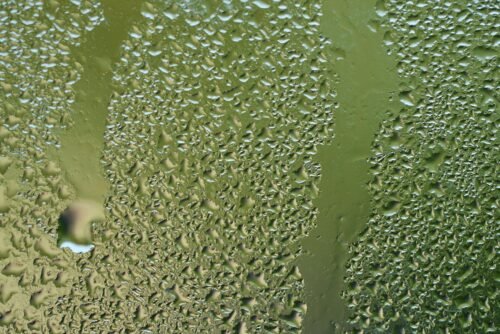
Distilled and demineralised water contain substantially fewer dissolved minerals than ordinary hard tap water. This means they can help reduce the formation of mineral deposits in equipment designed to use them. However, they are not automatically suitable for every steam cleaner. Some manufacturers advise against using completely demineralised water because their machines rely on particular water properties for level detection or other operating functions. Others specifically recommend demineralised water or a controlled mixture. The safest approach is to follow the instructions for your exact machine rather than assuming that the purest available water is always the best option.
Can Filtered Water Prevent Limescale?

It depends on the type of filtration. A standard drinking-water filter may improve taste and reduce certain impurities, but it does not necessarily remove enough calcium and magnesium to prevent limescale. Some filters incorporate ion-exchange technology that can reduce hardness, while reverse osmosis systems remove a substantial proportion of dissolved minerals. Not all filtered water is therefore equally effective for protecting steam cleaning equipment. If you’re considering filtered water, check what the filtration system actually removes and whether the resulting water meets your steam cleaner manufacturer’s requirements.
What About Water Softeners?

Water softeners can reduce the calcium and magnesium responsible for water hardness. Traditional ion-exchange softeners typically replace these minerals with sodium or potassium ions, depending on the system. This can substantially reduce calcium carbonate scale formation, but softened water is not the same as distilled or demineralised water. Some steam cleaner manufacturers permit softened water, while others impose restrictions. Always check compatibility before connecting a steam cleaner to a softened water supply or using softened water to fill its tank.
How to Prevent Hard Water Damage in a Steam Cleaner

Preventing limescale is usually straightforward once you understand your machine’s requirements. The most effective approach combines appropriate water quality, routine checks and manufacturer-approved maintenance.
Check the Water Hardness in Your Area

The first step is understanding how hard your local water actually is. Water suppliers commonly publish information about water hardness for different supply areas. You can also use a suitable water hardness testing kit to obtain a more specific measurement. In the UK, water hardness is often expressed as milligrams per litre of calcium carbonate (mg/L CaCO₃). Knowing your water hardness can help you determine whether additional water treatment or more frequent maintenance is appropriate. For commercial premises, this information can also be useful when selecting new steam cleaning equipment.
Follow the Manufacturer’s Water Recommendations

Every steam cleaner has its own design and maintenance requirements. Some machines include built-in scale management systems. Others require periodic boiler maintenance or specific water treatment.
Check the operating manual for information about:
- Acceptable water types and hardness levels.
- Recommended descaling procedures.
- Water filter or cartridge replacement.
- Boiler draining and flushing.
- Routine servicing intervals.
Following these recommendations is one of the simplest ways to protect the machine and maintain its warranty.
Check out our range of self-descaling steamers!
Empty and Maintain the Water Tank Correctly

Leaving water inside a steam cleaner for extended periods may be discouraged by some manufacturers, particularly when the machine is being stored. Where the instructions recommend draining the tank or boiler, follow the specified procedure. Never open a pressurised boiler or remove a safety cap while the machine is hot or under pressure. Allow the equipment to cool completely and follow all pressure-release instructions before carrying out maintenance. Not every steam cleaner should be emptied after every use, so the manufacturer’s guidance should always take priority.
How to Descale a Steam Cleaner Safely

Descaling involves removing accumulated mineral deposits from components that come into contact with water. However, steam cleaners are not all designed to be descaled in the same way. Some machines have dedicated descaling programmes or removable cartridges. Others require professional servicing.
Before attempting any descaling:
- Consult the operating manual for the correct procedure.
- Switch off and unplug the machine where instructed.
- Allow the equipment to cool and depressurise completely.
- Use only a descaling product or method approved for the machine.
- Follow the specified flushing and rinsing instructions.
- Check that the machine operates normally before returning it to service.
Never pour descaling chemicals into a steam cleaner unless the manufacturer specifically permits them. Incorrect products or procedures can damage seals, internal components and heating systems.
Can You Use Vinegar to Descale a Steam Cleaner?
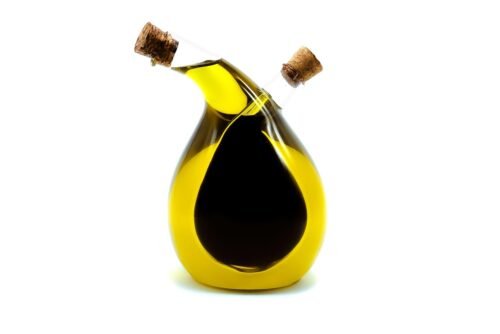
Vinegar is often recommended online as an inexpensive household descaler because it contains acetic acid, which can react with calcium carbonate. Although vinegar can remove limescale from some household items, that does not make it suitable for every steam cleaner. Its acidity may be incompatible with certain seals, metals and internal components. Residual vinegar can also cause unpleasant odours during subsequent operation. Some manufacturers explicitly advise against using vinegar or other household descaling mixtures. For this reason, avoid adding vinegar to a steam cleaner unless the manufacturer specifically recommends it for that model. An approved descaling product or professional service is generally the more reliable option.
Why Hard Water Matters for Commercial Steam Cleaners

For businesses, a steam cleaner is more than a convenient cleaning appliance. It can be an important part of daily cleaning operations. Professional steam cleaners are used across a range of environments, including hospitality, healthcare, automotive cleaning, facilities management and industrial premises. These settings often demand consistent performance and reliable operation. A machine that produces insufficient steam or requires unexpected maintenance can interrupt cleaning schedules and increase operating costs. This makes water quality an important consideration when purchasing and maintaining commercial equipment.
The Cost of Ignoring Limescale in Commercial Equipment

When businesses overlook mineral build-up, the consequences can extend beyond the cost of replacing an individual component.
Potential expenses include:
- Replacement heating elements, valves or other affected parts.
- Professional servicing and repairs.
- Equipment downtime.
- Additional staff time spent troubleshooting.
- Reduced cleaning productivity.
- Premature replacement of equipment.
For a business relying on steam cleaning every day, an unexpected breakdown can be particularly disruptive. Preventative maintenance helps reduce these risks and supports more predictable equipment operating costs.
Choosing a Commercial Steam Cleaner for Hard Water Areas

If your premises are in a hard water area, consider water management before purchasing a new steam cleaner. Look beyond headline specifications such as steam pressure, temperature and boiler capacity. It is also worth investigating how the machine handles mineral deposits and what maintenance it requires. Useful questions include whether the equipment has an integrated anti-scale system, whether its boiler can be maintained easily and what type of water the manufacturer recommends. You should also consider the availability of spare parts and professional servicing. A steam cleaner that suits your cleaning requirements but demands impractical maintenance may not be the best long-term investment.
Do Professional Steam Cleaners Have Anti-Scale Protection?

Some professional steam cleaners incorporate features intended to reduce scaling or make maintenance easier. Depending on the manufacturer and model, these may include water treatment cartridges, scale management systems, accessible boilers or maintenance alerts. However, anti-scale protection does not necessarily eliminate the need for routine servicing. Even machines designed for demanding commercial environments require appropriate water and maintenance. When comparing equipment, check exactly what protection is included and what responsibilities remain with the operator.
How to Extend the Lifespan of Your Steam Cleaner

A well-maintained steam cleaner can provide years of useful service, although its actual lifespan depends on the model, operating conditions and intensity of use. Water quality is only one part of equipment care. Keeping accessories clean, inspecting hoses and seals, following correct operating procedures and arranging servicing when necessary can all help maintain reliable performance. For commercial users, it may be useful to maintain a simple equipment log recording servicing dates, filter changes and any performance issues. This makes it easier to spot recurring problems before they develop into more serious faults.
When Should You Repair or Replace a Steam Cleaner?

Not every limescale-related problem means your steam cleaner needs replacing. If deposits are limited and the machine remains in good condition, an approved descaling procedure or professional service may restore normal performance. However, replacement may be worth considering when repair costs become substantial, spare parts are unavailable or the equipment has developed repeated faults. Before making a decision, obtain an assessment from an appropriately qualified technician. Avoid dismantling pressurised boilers or attempting repairs to electrical heating components yourself.
Finding the Right Steam Cleaner at Pure Steam Cleaners

At Pure Steam Cleaners, choosing the right steam cleaning equipment means looking beyond cleaning power alone. Water requirements, maintenance accessibility, durability and suitability for the intended environment are all important considerations, particularly for professional users. If you’re selecting equipment for a commercial kitchen, healthcare facility, workshop or general cleaning operation, understanding how the machine handles water can help you make a more informed purchasing decision. A suitable steam cleaner should not only meet your cleaning requirements but also fit the practical demands of your workplace.
Frequently Asked Questions About Hard Water and Steam Cleaners

Can Hard Water Ruin a Steam Cleaner After Just a Few Uses?
Significant damage after only a few uses is generally unlikely in a properly functioning machine, but hard water can begin leaving mineral deposits from the first heating cycles. The rate of accumulation depends on water hardness, machine design and usage.
Will Descaling Fix a Steam Cleaner With Weak Steam?
Descaling may improve steam output if mineral deposits are responsible and the machine supports an approved descaling procedure. However, weak steam can also result from other mechanical or operating problems, so descaling is not a guaranteed solution.
Is Boiled Water Better Than Tap Water for Steam Cleaners?
Boiling water may remove some temporary hardness, but it does not eliminate all dissolved minerals. Simply boiling tap water is therefore not a reliable substitute for manufacturer-approved water treatment.
Can You Use Bottled Water in a Steam Cleaner?
Bottled water is not necessarily better than tap water. Some mineral waters contain relatively high concentrations of calcium and magnesium, making them unsuitable for reducing limescale. Always check the mineral content and your machine’s water requirements.
How Often Should You Descale a Steam Cleaner?
Descaling frequency depends on the manufacturer’s recommendations, water hardness and frequency of use. Some machines use maintenance indicators or cartridges rather than conventional descaling. Follow the specific guidance for your model.
Can Hard Water Ruin a Steam Cleaner Even if It Has an Anti-Scale System?
Yes. Anti-scale systems can help manage mineral deposits, but they are not always maintenance-free. Filters may need replacing, boilers may require servicing and some systems have water hardness limits. Following the manufacturer’s maintenance schedule remains essential.
How Pure Steam Cleaners’ Self-Descaling Technology Helps

One of the main advantages of Pure Steam Cleaners’ commercial and industrial range is its patented self-descaling boiler technology. Unlike conventional machines that can suffer from accumulated limescale, Pure’s boilers are designed to manage mineral deposits and reduce the risk of scale-related blockages. This is particularly valuable for businesses operating in hard water areas, where conventional equipment may require more attention to limescale management. Pure Steam Cleaners also provides servicing, maintenance support and a three-year boiler guarantee, subject to the applicable terms. Self-descaling technology does not mean a machine should be operated without maintenance. However, choosing equipment designed to address limescale can help businesses reduce one of the common causes of steam cleaner performance problems.
Check out our range of self-descaling steamers!
Pure Steam Cleaners specialises in hiring and selling powerful, self-descaling commercial and industrial dry steam cleaners. Our machines are ideal for deep cleaning in kitchens, healthcare facilities, and manufacturing plants without harsh chemicals. Hires and sells new and second-hand cleaning equipment, including industrial vacuums, floor scrubbers, pressure washers, and floor polishers at Cleaning Equipment Services Ltd. We’re always available to answer any questions and provide guidance on the best cleaning methods and procedures. We’re also very patient and accommodating with explaining the operation and maintenance of the equipment.

Leave a Reply
You must be logged in to post a comment.