
Commercial & Industrial Steam Cleaners | Pure Steam Cleaners.uk

Key takeaways
- Steam tackles airborne pathogens at a molecular level, not just on the surface
- High-temperature vapour disrupts bacteria, viruses, and spores without chemicals
- Reducing airborne pathogens with steam supports safer indoor air in busy commercial spaces
- Steam-based approaches suit sectors where hygiene standards are non-negotiable
- Done properly, steam reduces reliance on sprays, wipes, and crossed fingers
Reducing airborne pathogens with steam sounds like something borrowed from a science lab or a Bond villain’s lair. In reality, it’s a practical method businesses already use to keep air and surfaces cleaner without turning the workplace into a chemical fog. The science behind it is surprisingly straightforward, even if it feels a bit like magic the first time you see it working.
Check out our range of steam cleaners!
What exactly are airborne pathogens?

Airborne pathogens are microscopic troublemakers that float around indoors, hitching rides on dust, droplets, and people who insist on coughing openly in meetings. Bacteria, viruses, and fungal spores all fall into this category. Once airborne, they linger longer than anyone would like, especially in enclosed spaces with poor airflow. Reducing airborne pathogens with steam focuses on stopping these organisms from surviving long enough to cause problems.
Why do indoor environments struggle with air quality?

Offices, hospitals, factories, and transport hubs are perfect breeding grounds. Warm temperatures, steady footfall, and recycled air give pathogens plenty of opportunities to circulate. Open-plan offices make collaboration easy and germ sharing even easier. Reducing airborne pathogens with steam helps address this without relying on constant chemical spraying that nobody enjoys breathing in.
How does steam interact with pathogens?

Steam delivers heat and moisture at the same time. This combination is brutal to microorganisms. High-temperature vapour penetrates cell walls, denatures proteins, and disrupts the structures pathogens need to survive. It’s less “gentle persuasion” and more “end of discussion”. Reducing airborne pathogens with steam works because heat doesn’t negotiate.
Why temperature matters more than chemicals
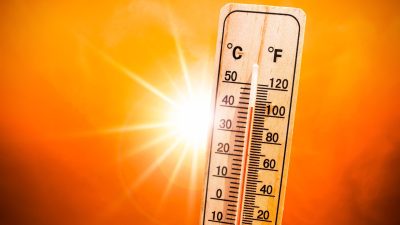
Many pathogens can tolerate mild disinfectants if exposure is brief or surfaces aren’t properly covered. Steam, when produced correctly, reaches temperatures well beyond what bacteria and viruses can handle. There’s no residue and no dependency on contact time measured in hope and guesswork. Reducing airborne pathogens with steam removes the chemistry experiment from daily cleaning routines.
Can steam really affect airborne particles?

Steam doesn’t chase germs through the air like a cartoon ghostbuster. Instead, it tackles the sources. When steam cleans surfaces, fabrics, vents, and equipment, it eliminates the reservoirs pathogens use to become airborne in the first place. Reducing airborne pathogens with steam is about cutting off supply lines rather than fighting germs mid-flight.
What role does humidity play in pathogen survival?

Low humidity allows airborne particles to stay suspended longer. Steam briefly raises local humidity during cleaning, which causes particles to settle faster. Once settled, heat does the rest. It’s a short, targeted change rather than turning your building into a rainforest. Reducing airborne pathogens with steam benefits from this double effect of heat and moisture.
Why is steam effective against viruses?

Viruses rely on protein structures to remain infectious. Steam damages these structures quickly. Without them, viruses become inactive. No drama, no residue, just physics doing its job. Reducing airborne pathogens with steam is especially useful in environments where viral transmission is a concern and chemical exposure needs to be kept low.
How does steam compare to traditional disinfectant sprays?
Sprays often miss areas, rely on perfect application, and leave residues that build up over time. Steam reaches into crevices, textiles, and awkward corners without leaving anything behind except clean surfaces and a faint sense of smugness. Reducing airborne pathogens with steam simplifies cleaning protocols while raising hygiene standards.
Does steam help with bacteria and spores too?
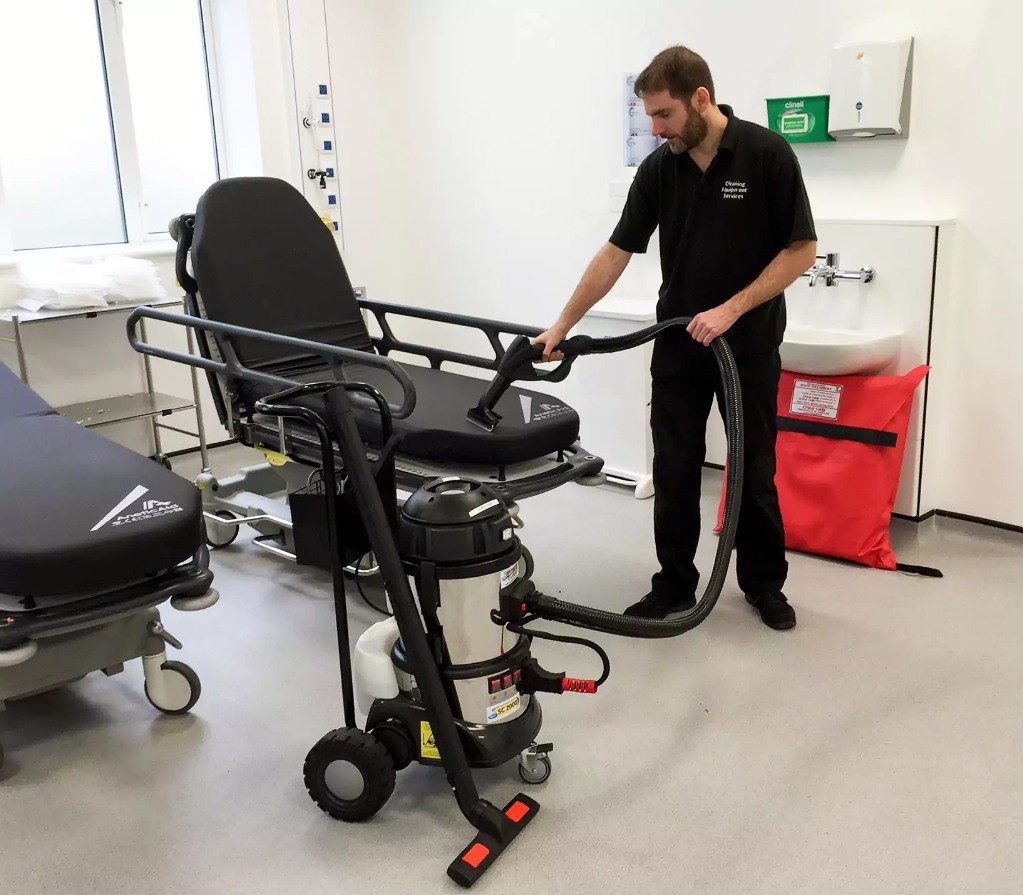
Bacteria are generally less heat-resistant than spores, but steam handles both better than many expect. High temperatures deactivate bacteria quickly, while spores require sustained heat, which professional steam systems can deliver. Reducing airborne pathogens with steam becomes part of a broader contamination control strategy, not a single-purpose trick.
Check out our range of steam cleaners!
Why are commercial spaces turning to steam?

Businesses want methods that are effective, safe, and repeatable. Steam ticks all three. It reduces chemical handling risks, shortens cleaning time, and works across multiple surfaces. Reducing airborne pathogens with steam fits neatly into compliance-driven environments where audits and inspections are routine guests.
How does steam support infection control policies?

Steam aligns well with infection control plans because it’s measurable and consistent. Temperature and pressure can be monitored. Results don’t depend on someone remembering dilution ratios during a late shift. Reducing airborne pathogens with steam offers predictability, which managers quietly appreciate more than they admit.
What about staff and occupant safety?

Steam systems remove the need for harsh chemicals that irritate lungs and skin. Operators still need training, because steam is hot and unforgiving, but overall exposure risks drop significantly. Reducing airborne pathogens with steam supports healthier workplaces without introducing new hazards.
Can steam improve air quality long term?

By reducing microbial load on surfaces and in soft furnishings, fewer particles re-enter the air. Over time, this leads to cleaner indoor air and fewer complaints that start with “I think the building is making me ill”. Reducing airborne pathogens with steam contributes to long-term air hygiene, not just short-term fixes.
How does steam affect HVAC systems?

Vents and ducting often harbour dust and microbes. Steam cleaning these areas reduces the amount of contaminated air circulated through buildings. Cleaner systems work better and smell less suspicious. Reducing airborne pathogens with steam helps HVAC systems do their job without spreading unwanted extras.
Is steam suitable for sensitive environments?

Healthcare, food processing, and clean manufacturing environments benefit from steam because it leaves no chemical traces. That matters when residues can compromise products or patient safety. Reducing airborne pathogens with steam supports strict hygiene rules without complicating daily operations.
What science backs steam-based pathogen control?

Studies consistently show that high-temperature vapour inactivates a wide range of microorganisms. The mechanism is well understood: heat damages proteins and membranes beyond repair. Reducing airborne pathogens with steam rests on established science, not trends or wishful thinking.
Does steam replace other hygiene measures?
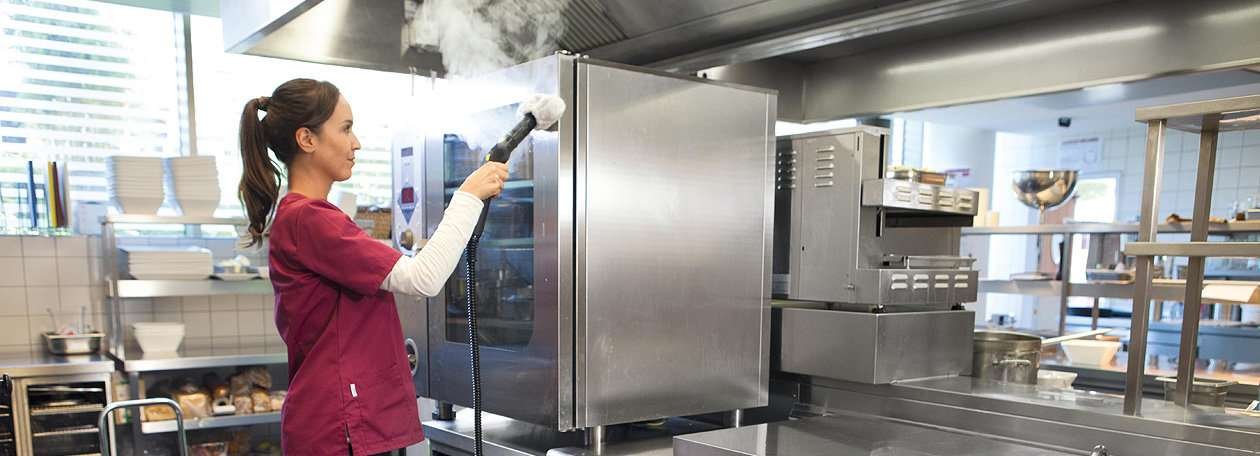
Steam works best as part of a wider strategy. Ventilation, filtration, and sensible cleaning schedules still matter. Steam simply raises the baseline, making other measures more effective. Reducing airborne pathogens with steam strengthens existing controls rather than competing with them.
Why is steam gaining attention now?

Expectations around hygiene have shifted. Businesses are under pressure to demonstrate real action rather than symbolic cleaning. Steam provides visible, measurable results without adding complexity. Reducing airborne pathogens with steam answers questions before clients and regulators start asking them.
How does steam fit into sustainability goals?

Steam uses water and electricity, not consumable chemicals. That reduces waste, packaging, and storage concerns. It also cuts down on repeat applications required by less thorough methods. Reducing airborne pathogens with steam supports cleaner air and cleaner processes without pretending to save the planet single-handedly.
What should businesses consider before adopting steam?

Equipment quality, training, and maintenance matter. Poorly produced steam won’t deliver the temperatures required. Done properly, steam becomes a reliable part of daily operations rather than a novelty. Reducing airborne pathogens with steam works best when it’s treated as a system, not a gadget.
Why does steam feel almost too simple?

Because it relies on fundamentals. Heat, moisture, and time. No branding, no complicated claims. Just physics doing what it has always done, quietly and effectively. Reducing airborne pathogens with steam proves that sometimes the smartest solutions are the ones that don’t shout about it.
Check out our range of steam cleaners!
Pure Steam Cleaners specialises in hiring and selling powerful, self-descaling commercial and industrial dry steam cleaners. Our machines are ideal for deep cleaning in kitchens, healthcare facilities, and manufacturing plants without harsh chemicals. Hires and sells new and second-hand cleaning equipment, including industrial vacuums, floor scrubbers, pressure washers, and floor polishers at Cleaning Equipment Services Ltd. We’re always available to answer any questions and provide guidance on the best cleaning methods and procedures. We’re also very patient and accommodating with explaining the operation and maintenance of the equipment.
