
Commercial & Industrial Steam Cleaners | Pure Steam Cleaners.uk

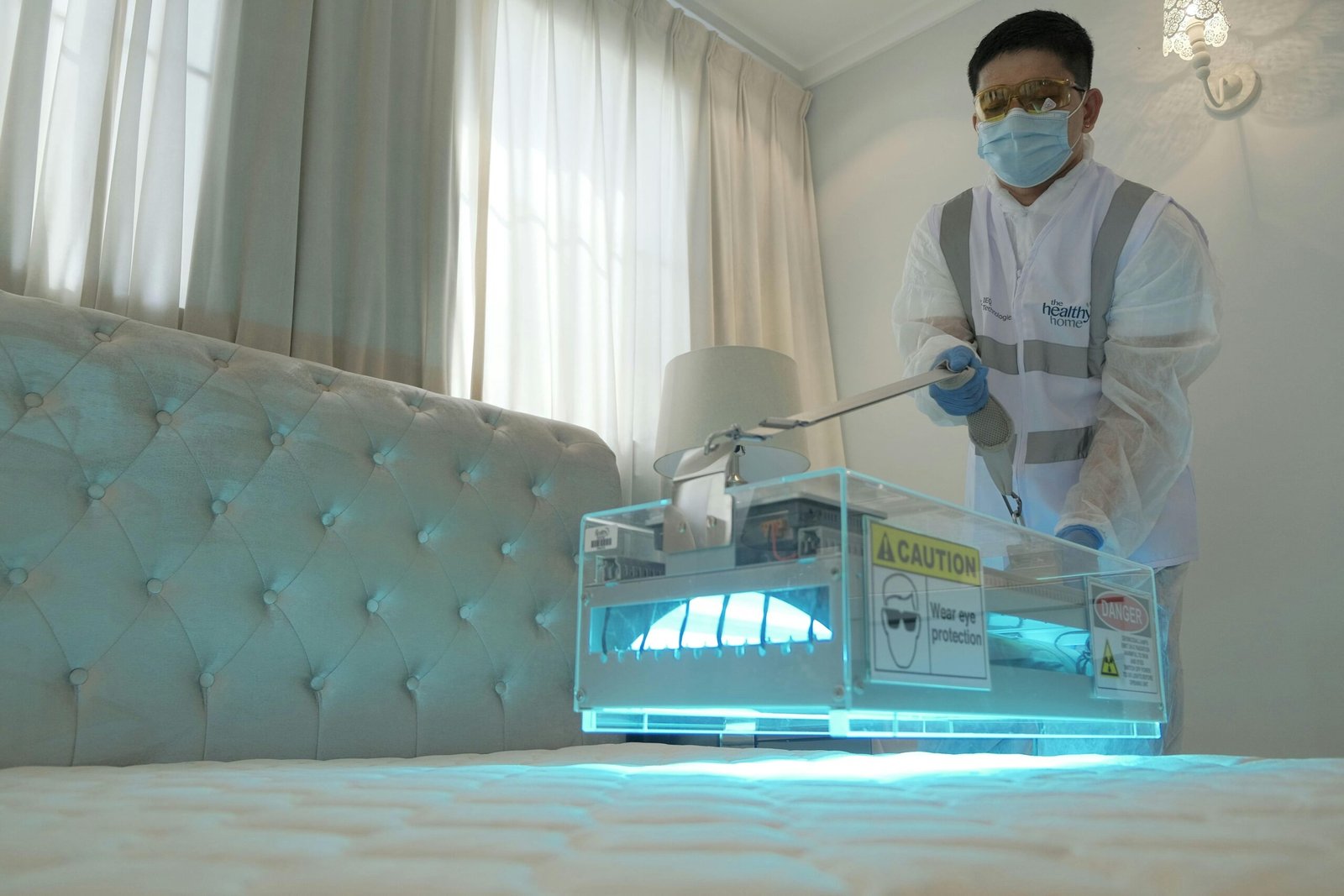
When it comes to keeping commercial spaces genuinely clean, the conversation around steam vs. UV disinfection pops up more often than it probably should, but for good reason. Businesses want something that works, not something that just sounds clever in a sales pitch. Both methods bring solid benefits to the table, though one tends to roll up its sleeves a bit more readily when things get messy.
Why Disinfection Is Now a Business Essential

Cleanliness used to be a background detail. Now it’s front and centre. Clients notice, staff expect it, and regulators certainly don’t ignore it. Whether it’s a hotel lobby or a shared office kitchen that’s seen one too many reheated fish lunches, standards have shifted.
The steam vs. UV disinfection discussion matters because businesses aren’t just cleaning for appearance, they’re cleaning for confidence.
Understanding Steam Disinfection

Steam cleaning uses high-temperature vapour to clean and disinfect surfaces at the same time. It’s straightforward, which is often a good sign.
In the steam vs. UV disinfection comparison, steam stands out for doing two jobs in one pass: removing dirt and killing microorganisms. It doesn’t separate cleaning from disinfecting; it treats them as part of the same task.
How Steam Works Day to Day

Steam cleaners heat water until it becomes pressurised vapour, then apply it directly to surfaces. The heat breaks down grease and grime while killing bacteria and viruses.
It works well across:
- Floors and grout
- Upholstery
- Kitchens
- Washrooms
In the steam vs. UV disinfection debate, steam feels practical. It doesn’t need ideal conditions; it just needs access.
Understanding UV Disinfection
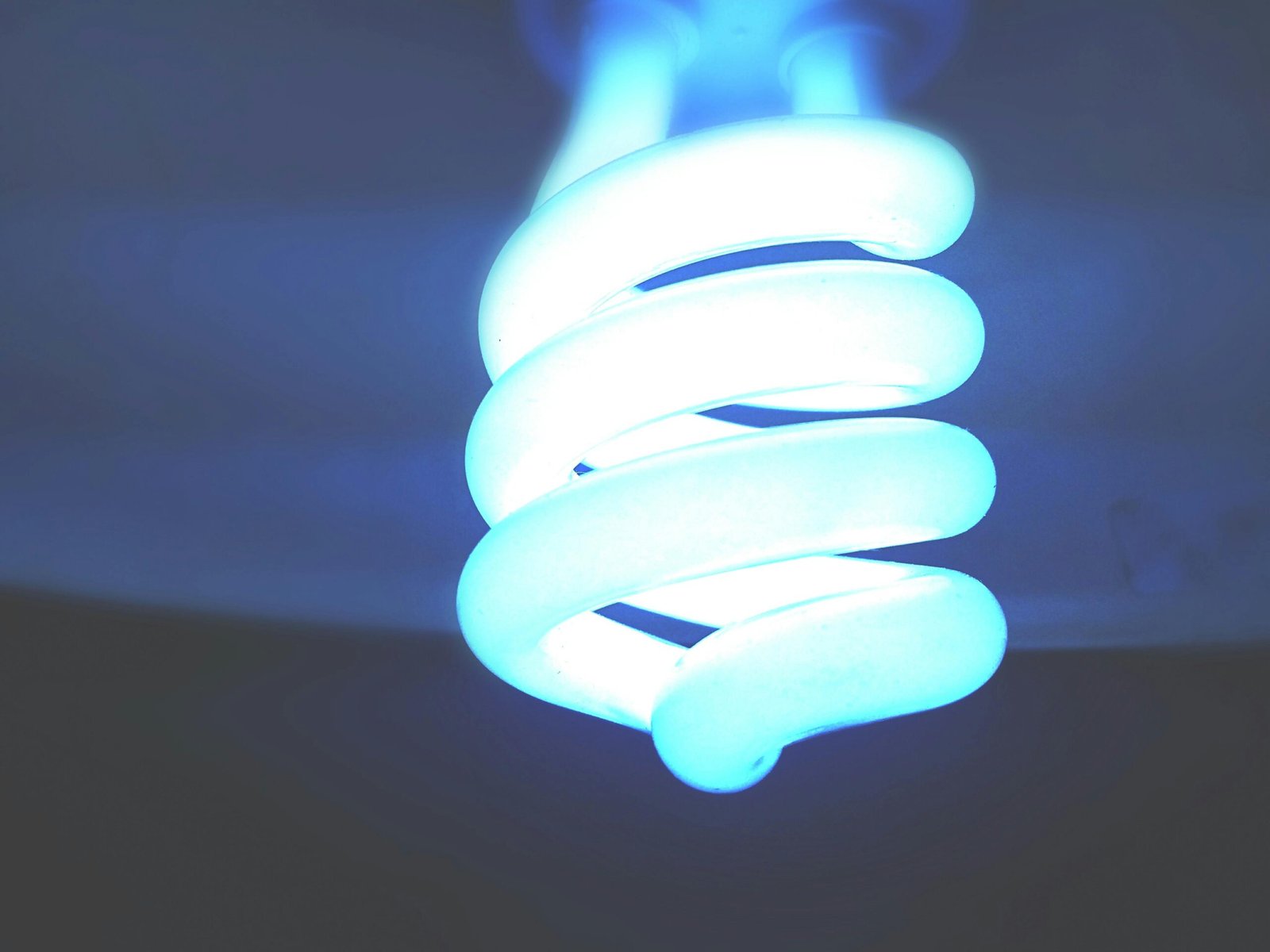
UV disinfection uses ultraviolet light, specifically UV-C, to deactivate microorganisms by damaging their DNA. It’s precise and effective, particularly in controlled settings.
In the steam vs. UV disinfection conversation, UV often represents the more technical approach. It doesn’t physically clean, but it can disinfect surfaces and air without chemicals.
Where UV Fits Best
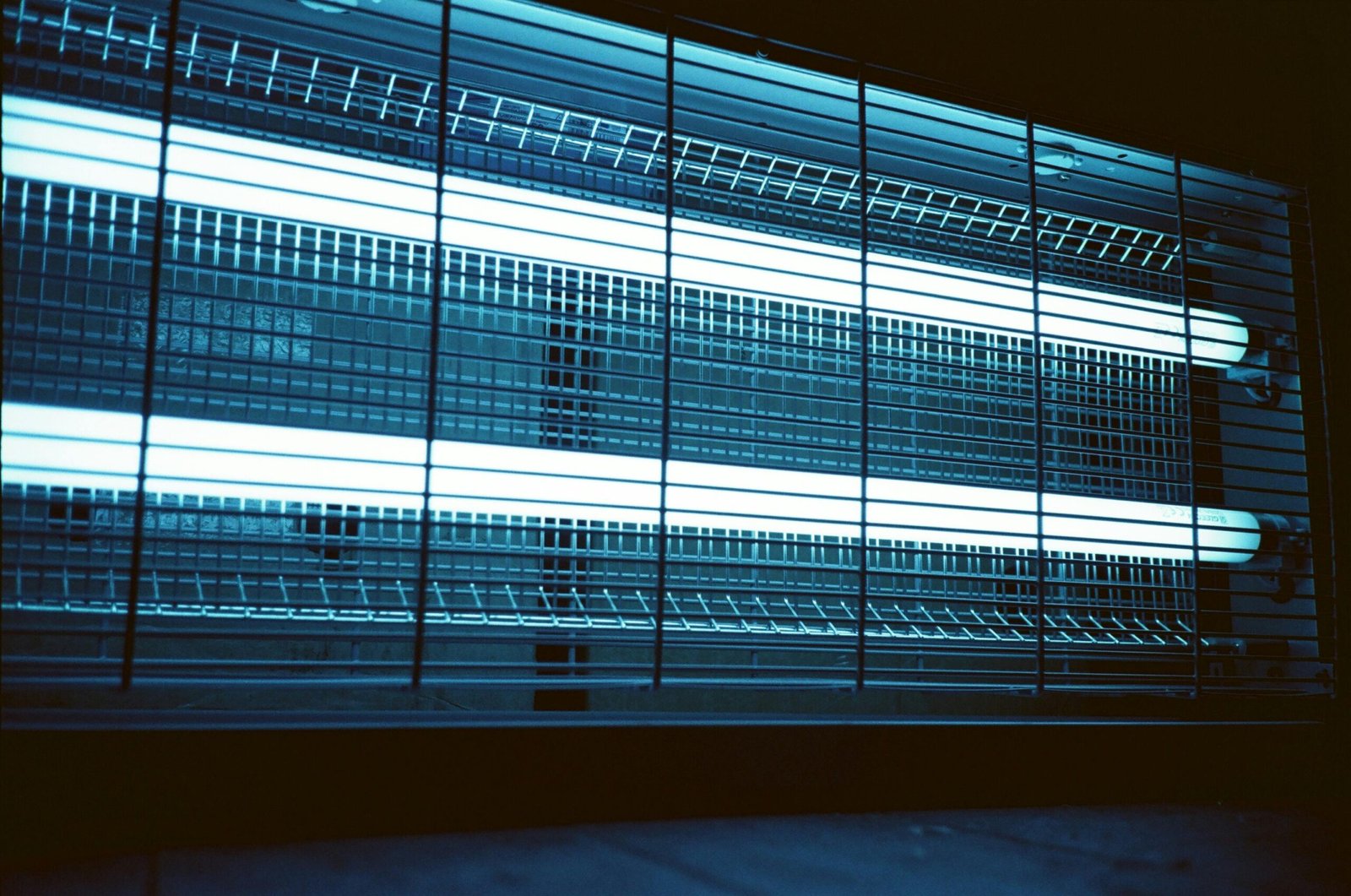
UV systems are commonly used in:
- Healthcare environments
- Laboratories
- Air handling systems
- Water treatment
In steam vs. UV disinfection, UV tends to shine where environments are controlled and surfaces are already clean.
Effectiveness: Different Strengths, Same Goal

Both methods are effective, just in different ways.
Steam:
- Cleans and disinfects simultaneously
- Works instantly on contact
- Handles visible and invisible contamination
UV:
- Deactivates microorganisms effectively
- Works without moisture or chemicals
- Ideal for sensitive equipment and air treatment
In the steam vs. UV disinfection discussion, it’s less about which works and more about how they work.
Coverage and Reach
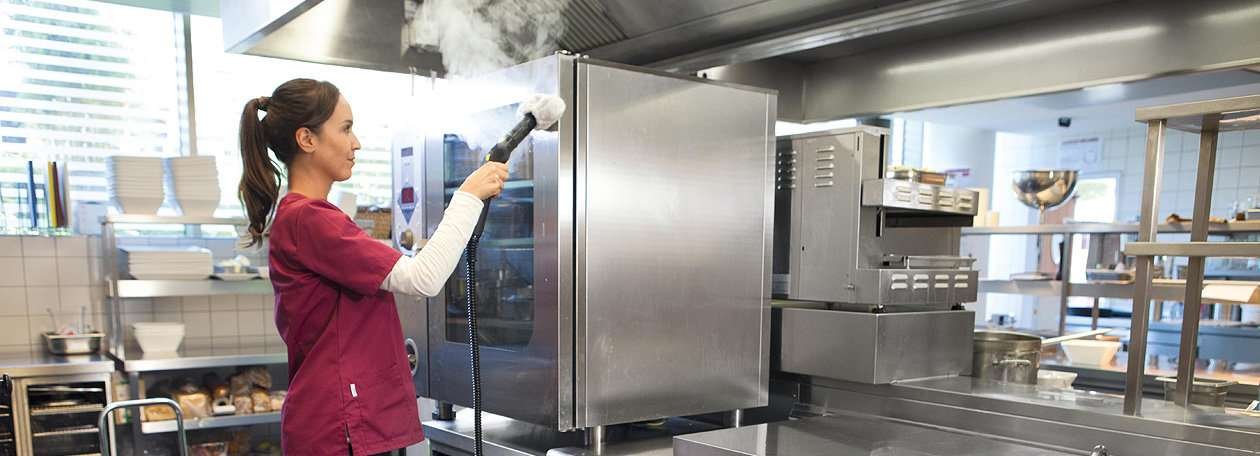
Steam can move into crevices, textured surfaces, and awkward corners without much trouble.
UV light travels in straight lines, which means anything in shadow is left untreated.
In steam vs. UV disinfection, this is one of the more practical differences. Real environments aren’t perfectly arranged, and cleaning methods need to adapt.
Speed in Busy Environments

Steam cleaning is immediate. Apply it, clean the surface, move on.
UV often requires setup time, controlled exposure, and restricted access while it’s in use.
So in the steam vs. UV disinfection comparison, steam tends to integrate more easily into fast-paced operations, while UV works best when time and space can be managed carefully.
Safety Considerations

Steam carries heat risks, but these are well understood and manageable with training.
UV-C light requires stricter precautions. Direct exposure to skin or eyes can be harmful, so usage needs to be controlled.
In the steam vs. UV disinfection conversation, both are safe when used properly, though one allows a bit more flexibility during normal operations.
Environmental Impact

Both methods avoid chemical cleaning agents, which is a positive.
Steam uses water and heat. UV relies on electricity and specialised bulbs.
In steam vs. UV disinfection, both support environmentally conscious practices, though steam keeps things slightly simpler in terms of resources.
Cost and Practical Investment

Steam cleaning equipment is generally more accessible and easier to maintain.
UV systems can involve higher upfront costs and ongoing maintenance, particularly with bulb replacement and safety measures.
In the steam vs. UV disinfection debate, cost doesn’t necessarily decide the outcome, but it does influence how widely each method is used.
Maintenance and Reliability

Steam systems are relatively straightforward. Keep them maintained, and they perform consistently.
UV systems require monitoring to ensure bulbs remain effective over time.
In steam vs. UV disinfection, both are reliable when maintained properly, though steam tends to be a bit more forgiving in everyday use.
Industry Applications
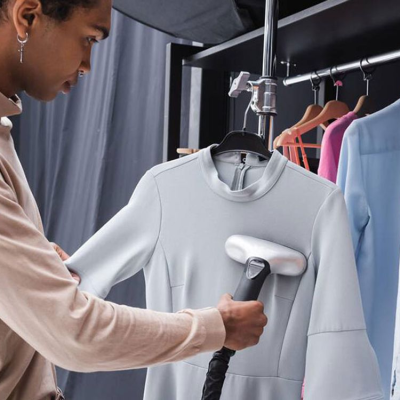
Steam is widely used in:
- Hospitality
- Catering
- Commercial cleaning
- Retail
UV is more common in:
- Healthcare
- Laboratories
- Air purification
- Water systems
Steam vs. UV disinfection isn’t about one replacing the other—it’s about where each fits best.
Ease of Use for Staff

Steam cleaning is generally easy to learn and apply. Most teams can integrate it quickly into their routines.
UV systems require more training, particularly around safety and correct exposure.
In the steam vs. UV disinfection comparison, usability often leans slightly towards steam, especially in environments where staff need to move quickly.
Real-World Performance
In controlled conditions, UV performs very well.
In everyday environments, where surfaces aren’t perfectly clean and layouts aren’t ideal, steam tends to adapt more easily.
That’s why in the steam vs. UV disinfection discussion, steam often feels more consistent across a wider range of situations.
Innovation and Technology

Both methods continue to evolve.
Steam systems are becoming more compact and efficient.
UV technology is advancing with automation and smarter controls.
In steam vs. UV disinfection, innovation is improving both sides, but it doesn’t change their core differences.
Using Both Together

Some businesses combine both methods, steam for cleaning and initial disinfection, followed by UV for an added layer.
It’s a thorough approach, though it can raise the question of whether both are always necessary.
In the steam vs. UV disinfection conversation, this combination works well where standards are particularly high.
Common Misunderstandings

UV is sometimes seen as the more advanced option, and therefore the better one.
Steam is occasionally dismissed as basic cleaning.
Steam vs. UV disinfection shows that both assumptions miss the point. Each method has strengths that depend on context.
Choosing What Works for You

The right choice depends on your environment, your workflow, and your priorities.
Ask yourself:
- Do you need to remove dirt as well as disinfect?
- Can you control the environment for UV use?
- How quickly do spaces need to be cleaned?
- What will your team realistically use every day?
In the steam vs. UV disinfection debate, both methods offer real value. One may edge ahead in flexibility and practicality, while the other excels in precision under the right conditions.
Ultimately, the decision tends to come down to how your business operates, not just what looks good on paper.
Check out our range of steam cleaners!
Pure Steam Cleaners specialises in hiring and selling powerful, self-descaling commercial and industrial dry steam cleaners. Our machines are ideal for deep cleaning in kitchens, healthcare facilities, and manufacturing plants without harsh chemicals. Hires and sells new and second-hand cleaning equipment, including industrial vacuums, floor scrubbers, pressure washers, and floor polishers at Cleaning Equipment Services Ltd. We’re always available to answer any questions and provide guidance on the best cleaning methods and procedures. We’re also very patient and accommodating with explaining the operation and maintenance of the equipment.
