
Commercial & Industrial Steam Cleaners | Pure Steam Cleaners.uk


Walk into any office, warehouse, clinic, or retail space and you’ll see the same quiet battle playing out behind the scenes. Mops versus machines. Buckets versus boilers. The debate around steam vs. traditional cleaning usually starts with cost and ends with someone muttering about stains that never quite went away. For business owners, facilities managers, and anyone who’s ever questioned why the floor still smells faintly of last Tuesday, this comparison matters more than it sounds.
Why Cleaning Methods Suddenly Became a Boardroom Topic

Commercial cleaning used to be simple. You hired a crew, they turned up after hours, sprayed things, wiped things, and left. Job done. Except expectations changed. Clients notice. Staff notice. Regulators definitely notice. Steam vs. traditional cleaning has become less about preference and more about credibility. A spotless space signals competence. A grimy one whispers that corners are being cut, probably elsewhere too.
What Traditional Cleaning Crews Actually Do
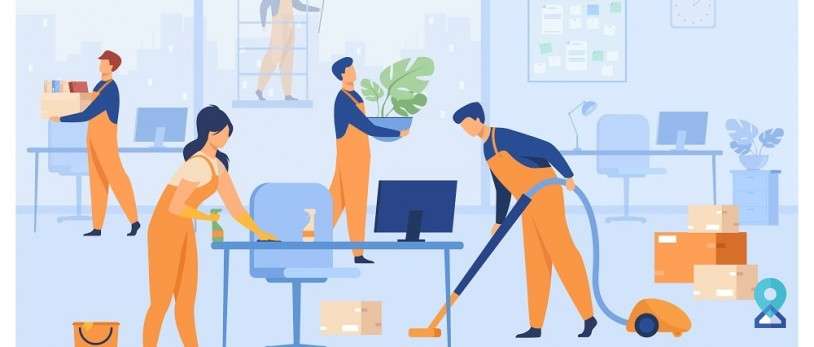
Traditional crews rely on manual labour and chemical solutions. Think detergents, disinfectants, cloths, mops, and a lot of elbow grease. It’s familiar, predictable, and easy to budget for. In the steam vs. traditional cleaning conversation, this approach is often defended as “good enough,” which is rarely a glowing endorsement. It removes visible dirt, but often leaves residues behind, both chemical and microbial.
The Steam Cleaning Approach in Plain English

Steam cleaning swaps chemicals for heat. Water is heated to high temperatures and applied as vapour to surfaces. That heat breaks down grease, kills bacteria, and lifts grime without soaking everything in suds. When people compare steam vs. traditional cleaning, steam tends to sound futuristic. In reality, it’s just physics doing the heavy lifting, with less mess and fewer smells.
Hygiene Standards and the Fear of Invisible Dirt

Most dirt you worry about isn’t the dirt you can see. It’s the stuff lurking on door handles, worktops, and shared equipment. Steam vs. traditional cleaning becomes interesting here because steam reaches temperatures that bacteria and viruses don’t enjoy. Traditional methods rely on chemicals being mixed correctly and left on surfaces long enough. Spoiler: that doesn’t always happen at 10pm on a Friday.
Chemical Residue and Indoor Air Quality

Ever walked into a freshly cleaned office and felt your eyes sting? That’s not the smell of success. Chemical residue hangs around, especially in poorly ventilated spaces. Steam vs. traditional cleaning highlights a key difference: steam leaves nothing behind except dry surfaces. For businesses with staff on site all day, that can mean fewer complaints and fewer headaches, literally.
Speed, Downtime, and Business Disruption

Time is money, even when no one likes that phrase. Traditional cleaning often means wet floors, taped-off areas, and waiting for chemicals to dry. Steam cleaning uses minimal moisture, so areas can reopen faster. In the steam vs. traditional cleaning debate, this is where operations managers start paying attention. Less downtime means fewer awkward “please use the other entrance” signs.
Cost Considerations Beyond the Invoice

At first glance, traditional cleaning often looks cheaper. Lower equipment costs, familiar pricing models, no scary machinery. Steam vs. traditional cleaning flips that view when you look long-term. Reduced chemical spend, less water usage, and fewer repeat cleans for stubborn grime start to add up. It’s a bit like buying cheap shoes and replacing them every six months.
Training and Skill Levels of Cleaning Crews

Anyone can be handed a mop. Steam equipment requires training. That’s sometimes framed as a downside, but it’s actually part of the appeal. Steam vs. traditional cleaning often comes down to consistency. Trained operators follow processes. They understand surfaces, temperatures, and pressure. The result is fewer “who cleaned this?” moments the next morning.
Environmental Impact Without the Marketing Spin

Sustainability claims are everywhere, usually printed in green. Steam cleaning uses less water and avoids harsh chemicals. Traditional cleaning leans heavily on consumables. In the steam vs. traditional cleaning discussion, this matters for businesses with environmental targets or clients who read policies properly. It’s not about saving the planet single-handedly. It’s about not making things worse.
Surfaces, Materials, and the Fear of Damage
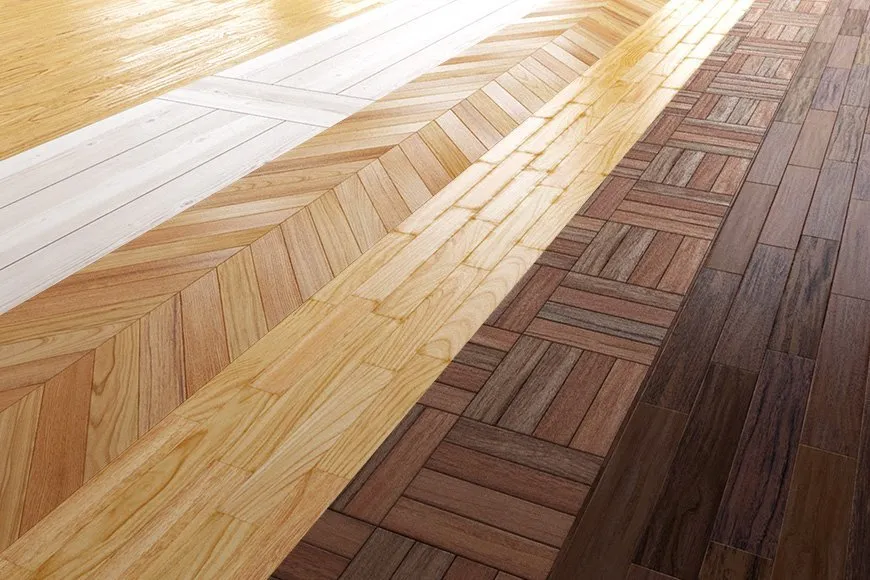
There’s a myth that steam damages surfaces. Used incorrectly, it can. So can chemicals, abrasive pads, and enthusiasm. Steam vs. traditional cleaning is really about control. Steam machines allow precise application. Traditional methods often rely on soaking and scrubbing. One approach respects materials. The other hopes for the best.
Smell, or the Lack of It

Clean doesn’t have to smell like a swimming pool. Steam cleaning leaves neutral air behind. Traditional cleaning often masks dirt with fragrance. In the steam vs. traditional cleaning debate, this small detail matters in client-facing spaces. No one ever praised a meeting room for smelling like industrial lemon.
Compliance and Industry Regulations

Healthcare, food preparation, and childcare environments come with rules. Lots of them. Steam vs. traditional cleaning becomes less optional when regulations demand certain hygiene outcomes. Steam’s ability to sanitise without chemicals can simplify compliance. Traditional cleaning can meet standards too, but it depends heavily on process discipline and documentation.
Public Perception and Brand Image

Clients notice cleaning methods, even if subconsciously. Seeing steam equipment suggests seriousness. Buckets and sprays suggest routine. Steam vs. traditional cleaning plays into brand perception, especially in premium spaces. It’s the difference between “they’ve cleaned” and “they’ve invested in cleaning.”
Staff Satisfaction and Retention

Cleaning crews are staff too. Traditional methods are physically demanding and repetitive. Steam equipment reduces strain and speeds up tasks. In the steam vs. traditional cleaning comparison, this affects turnover. Happier crews mean consistent service. Consistent service means fewer complaints landing on your desk.
When Traditional Cleaning Still Makes Sense

Not every task needs steam. Light dusting, quick spills, and basic upkeep can be handled traditionally. Steam vs. traditional cleaning isn’t about replacing one entirely. It’s about choosing the right tool. The problem starts when traditional methods are used for everything, including jobs they’re not great at.
Choosing a Cleaning Partner, Not Just a Method

The real decision isn’t machines versus mops. It’s competence versus habit. Steam vs. traditional cleaning is shorthand for a bigger question: is your cleaning service keeping up with expectations, or just repeating what they’ve always done? A good provider explains their approach without jargon and adjusts it to your space.
Long-Term Value Over Short-Term Comfort

Change is uncomfortable. So is explaining to a client why the carpets still look tired. Steam vs. traditional cleaning forces a look at long-term outcomes instead of familiar routines. Businesses that switch often wonder why they waited so long. Those that don’t usually have a favourite excuse and a storeroom full of chemicals.
The Quiet Shift Happening Across Commercial Spaces
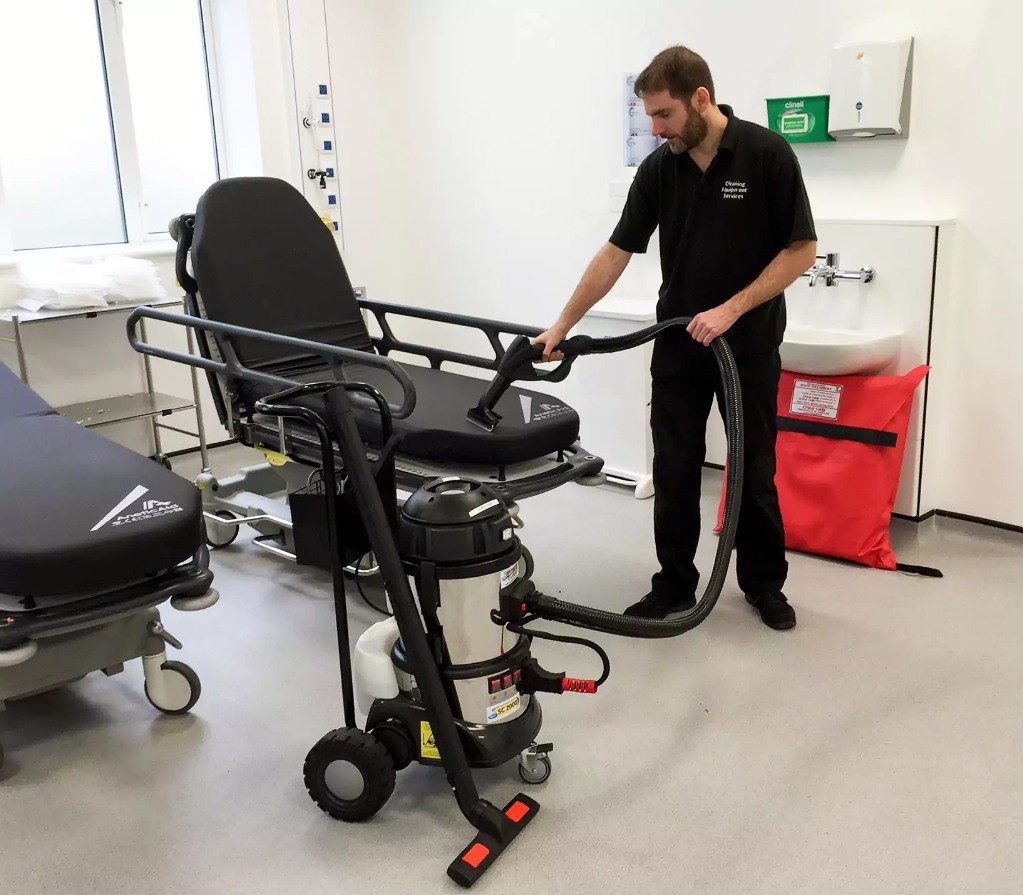
Across offices, retail units, and industrial sites, the shift is already underway. Steam vs. traditional cleaning isn’t a trend; it’s a response. Higher standards, tighter regulations, and less tolerance for “that’ll do” have nudged businesses towards methods that actually deliver. Steam just happens to be one of them, quietly doing its job while everyone else argues about it.
Check out our range of steam cleaners!
Pure Steam Cleaners specialises in hiring and selling powerful, self-descaling commercial and industrial dry steam cleaners. Our machines are ideal for deep cleaning in kitchens, healthcare facilities, and manufacturing plants without harsh chemicals. Hires and sells new and second-hand cleaning equipment, including industrial vacuums, floor scrubbers, pressure washers, and floor polishers at Cleaning Equipment Services Ltd. We’re always available to answer any questions and provide guidance on the best cleaning methods and procedures. We’re also very patient and accommodating with explaining the operation and maintenance of the equipment.
