
Commercial & Industrial Steam Cleaners | Pure Steam Cleaners.uk

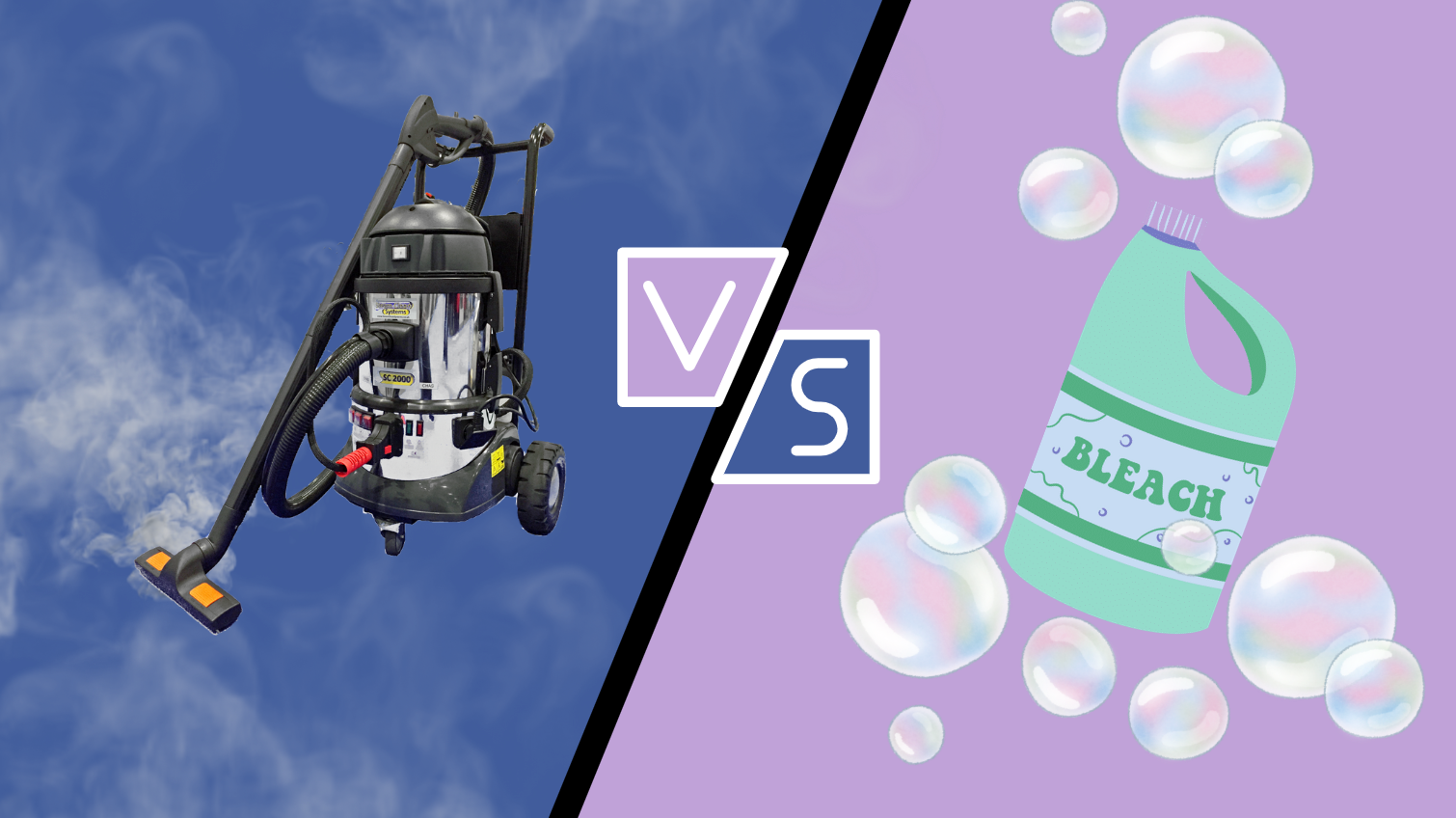
When it comes to the battle of steam cleaning vs. bleach, the competition is hotter than a kettle at full boil. Both promise spotless floors, germ-free counters, and that elusive “just cleaned” feeling that makes a manager nod approvingly. But which actually wins when it comes to industrial and commercial cleaning? Let’s find out, without pretending this is a science fair project.
Steam, Bleach, and a Whole Lot of Hot Air

The steam cleaning vs. bleach debate has been raging for years. On one side, you’ve got bleach, sharp, powerful, and ready to annihilate germs like it’s on a crusade. On the other hand, steam, quietly efficient, chemical-free, and often underestimated. It’s a bit like pitting an old-school boxer against a sleek modern athlete. Both get results, but one might leave the place smelling like a swimming pool.
What Is Steam Cleaning?
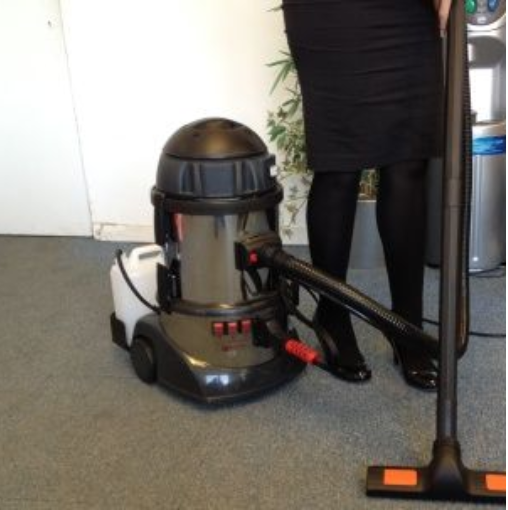
Steam cleaning uses high-temperature vapour (usually above 120°C)to lift dirt, kill bacteria, and sanitise surfaces. Industrial steam cleaners take that concept and supercharge it. Think of them as the Formula 1 version of your home steamer.
They work by heating water until it becomes vapour, then releasing it under pressure. The heat kills pathogens, loosens grime, and cleans without chemicals. Ideal for hospitals, kitchens, factories, and anywhere else you’d rather not marinate your staff in fumes.
What Does Bleach Actually Do?
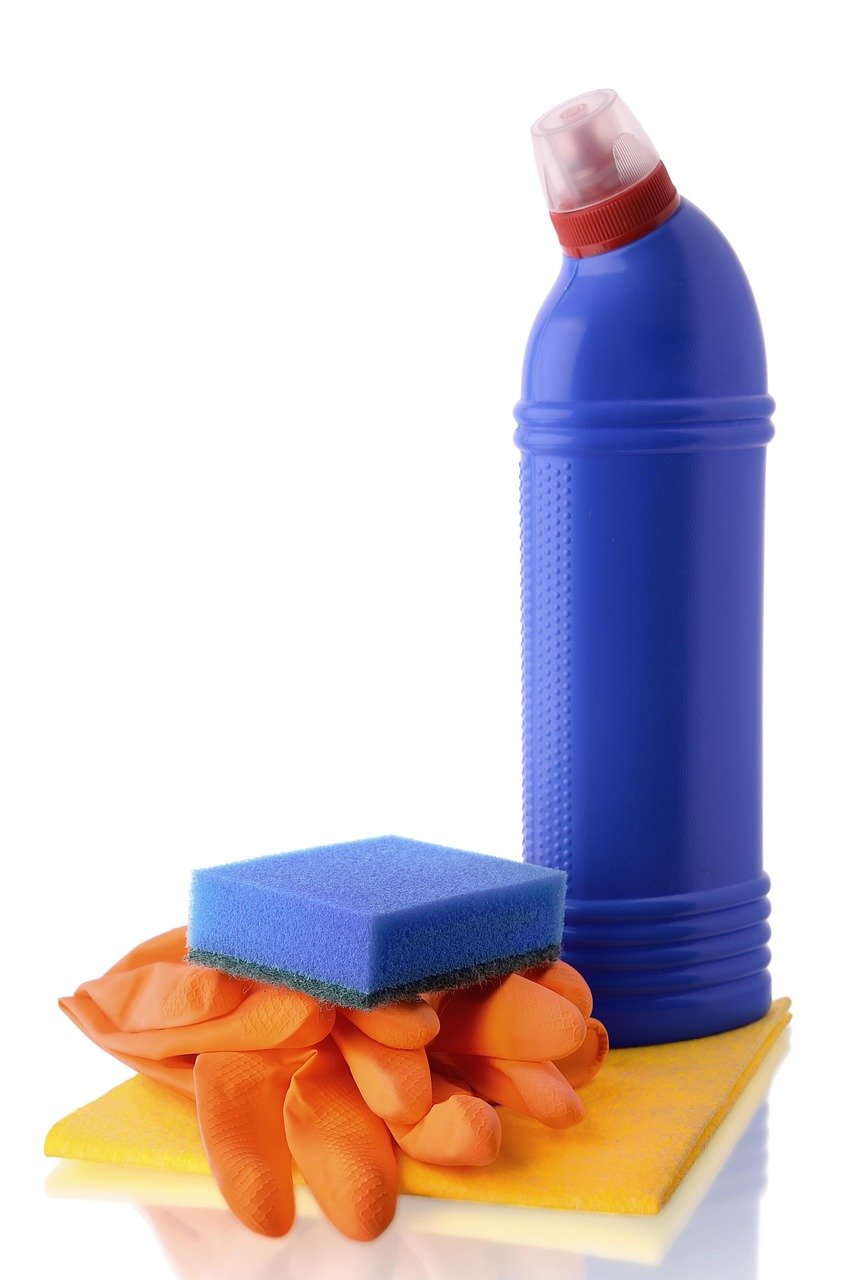
Bleach is a chemical disinfectant, usually made from sodium hypochlorite. It kills bacteria, viruses, and fungi by breaking down their cell walls. In short, it’s microbial warfare.
In industrial settings, bleach has been the go-to for decades. It’s quick, cheap, and deadly to germs. But it’s also a bit of a diva, corrosive, temperamental, and not always friendly to surfaces or humans. The steam cleaning vs. bleach question really comes down to whether you’d prefer a long-term solution or a strong smell that lingers until lunchtime.
The Power of Heat: Why Steam Works

Steam cleaning works because heat is one of nature’s original disinfectants. Pathogens don’t fare well in extreme temperatures, just ask your Sunday roast. High-pressure steam gets into crevices that bleach often misses. That means better coverage, fewer chemicals, and happier lungs for cleaning staff.
Bleach: The Traditional Heavyweight

Bleach has history on its side. It’s been trusted for generations, which means it’s often the first solution people reach for. In many industrial cleaning manuals, it’s practically gospel. Yet the question remains: is bleach really the most effective option today, especially with sustainability and safety in mind?
Steam Cleaning vs. Bleach: The Germ War

When it comes to killing bacteria and viruses, both methods perform well. Steam kills most microbes at around 100°C, which covers everything from E. coli to MRSA. Bleach, when mixed correctly, also achieves full disinfection. The problem? People rarely mix it correctly. Too weak, and it’s useless; too strong, and you’ve created a workplace chemical hazard.
Chemical-Free Cleaning: Steam’s Secret Weapon

In the steam cleaning vs. bleach contest, one major selling point for steam is its lack of chemicals. No fumes, no residues, and no need for protective gear worthy of a hazmat movie. For hospitals, schools, and food production sites, that’s more than just convenient; it’s safer and more compliant with modern hygiene standards.
Bleach’s Downside: Corrosion, Stains, and Smell

Bleach is powerful, but it’s also messy. It corrodes metal, discolours fabrics, and can irritate the skin and lungs. Many commercial facilities are moving away from it for these reasons alone. Imagine mopping an entire warehouse floor only to find the shiny metal drains now look like they’ve aged fifty years overnight.
The Environmental Angle

In the age of sustainability targets and eco-conscious clients, steam cleaning vs. bleach takes on another dimension. Steam cleaning requires only water and electricity, no harsh chemicals going down the drain. Bleach, meanwhile, can produce harmful by-products when it reacts with organic matter, not to mention its production footprint. Steam wins this round by a wide margin.
Costs Over Time

Bleach looks cheaper upfront, but industrial steam cleaning machines can actually save money long-term. Once you buy the equipment, your only ongoing cost is water and energy. Bleach, by contrast, requires constant reordering and safe storage, not to mention training and PPE. The hidden costs often make steam the more economical choice after a few months of use.
Safety and Compliance

Health and safety officers tend to get twitchy around bleach. It’s classified as a hazardous substance, meaning strict handling, ventilation, and storage rules. Steam, on the other hand, is about as safe as it gets, provided you don’t aim it at your hand. In regulated environments like food processing or healthcare, steam’s simplicity often makes compliance easier.
Odour and Air Quality

Ever walked into a freshly bleached corridor and felt your eyes sting? That’s chlorine gas reminding you who’s boss. Steam cleaning produces no smell at all, which makes it far better for environments where people work or eat. In the steam cleaning vs. bleach debate, your nose has a strong opinion.
Surface Compatibility

Bleach doesn’t play nicely with everything. It can damage floors, corrode stainless steel, and ruin paintwork. Steam cleaning, by contrast, is gentle enough for most surfaces yet tough enough to lift grime from grout. That versatility makes it a practical choice for mixed-use facilities like hospitals or warehouses.
Training and Ease of Use

Most industrial steam cleaners are user-friendly; turn it on, wait for the pressure, and off you go. Bleach needs precise dilution and proper safety equipment. Get it wrong, and you’re one step away from a chemistry lesson gone wrong. Steam is, frankly, simpler.
Long-Term Hygiene

One overlooked point in the steam cleaning vs. bleach discussion is recontamination. Bleach often leaves behind residues that can actually attract new bacteria. Steam leaves nothing, just a clean, dry surface. That means longer-lasting cleanliness and fewer repeat cleans.
Public Perception

Clients love the word “eco-friendly.” Steam cleaning gives businesses that badge of honour, while bleach says, “we went old-school.” In industries like healthcare, hospitality, and education, being seen as modern and sustainable can matter just as much as being clean.
The Verdict

When you line up steam cleaning vs. bleach, the result depends on what you value most. If you need a fast, cheap sanitiser for small jobs, bleach will do. But for large commercial spaces, high hygiene standards, and long-term safety, steam cleaning usually takes the trophy. It’s cleaner, greener, and won’t make your cleaning crew cough like they’ve just run a marathon through a pool supply store.
So yes, bleach still has its place. But when the goal is deep cleaning without the drama, steam cleaning quietly outperforms it. Think of it as the strong, silent type in a world full of loud chemicals.
Check out our Range of Steam Cleaners!
Pure Steam Cleaners specialises in hiring and selling powerful, self-descaling commercial and industrial dry steam cleaners. Our machines are ideal for deep cleaning in kitchens, healthcare facilities, and manufacturing plants without harsh chemicals. Hires and sells new and second-hand cleaning equipment, including industrial vacuums, floor scrubbers, pressure washers, and floor polishers at Cleaning Equipment Services Ltd. We’re always available to answer any questions and provide guidance on the best cleaning methods and procedures. We’re also very patient and accommodating with explaining the operation and maintenance of the equipment.
