
Commercial & Industrial Steam Cleaners | Pure Steam Cleaners.uk


Key takeaways:
- Reduced steam pressure is a common warning sign. Limescale can restrict water and steam flow, making cleaning less effective.
- Longer heating times may indicate mineral deposits. Scale on heating surfaces can slow heat transfer and increase energy consumption.
- Unusual noises shouldn’t be ignored. Popping, rattling or excessive hissing may indicate restricted water flow or other internal problems.
- Regular maintenance helps prevent expensive repairs. Following the manufacturer’s descaling recommendations can protect important components.
- Water quality makes a difference. Understanding your local water hardness and using manufacturer-approved water can help minimise limescale build-up.
Check out our range of self-descaling steam cleaners!
If your steam cleaner has limescale, you might notice weaker steam output, longer heating times or unusual noises coming from the machine. These warning signs are easy to overlook, particularly when your equipment still appears to be working. However, ignoring limescale build-up can reduce cleaning performance, increase energy consumption and eventually lead to costly repairs. Whether you use a steam cleaner at home or rely on one for commercial cleaning, recognising the early signs can help you keep your machine running efficiently and extend its lifespan.
What Is Limescale and Why Does It Form in Steam Cleaners?

Limescale is a hard, chalky deposit that forms when minerals dissolved in water accumulate on surfaces. It mainly consists of calcium carbonate, which develops when hard water is heated. Think about the white, crusty deposits you sometimes see around a kettle’s heating element. The same process can happen inside your steam cleaner, except the deposits may be hidden within its boiler, heating system or water pathways. As water heats up and turns into steam, some dissolved minerals remain behind. Over time, these minerals can accumulate and form stubborn deposits. The harder your water, the greater the potential for mineral build-up. This is particularly relevant across many parts of England, where hard water is common. For businesses operating commercial steam cleaning equipment daily, mineral deposits can accumulate more quickly because the machines process larger volumes of water. Without suitable maintenance, these deposits may eventually affect performance and reliability.
Why Limescale Is a Problem for Your Steam Cleaner

A little mineral residue might not seem particularly concerning. After all, your machine still produces steam, so what’s the problem? The issue is what happens as those deposits accumulate. Limescale can act as an insulating layer on heating surfaces, reducing the efficiency of heat transfer. It may also restrict narrow water passages, interfere with components and contribute to inconsistent steam production. For professional cleaners, this can become particularly frustrating. Imagine working through a busy cleaning schedule when your machine suddenly takes longer to heat up or struggles to remove stubborn dirt. What should be a straightforward task can become unnecessarily time-consuming.
Over time, untreated scale may contribute to:
- Reduced cleaning efficiency.
- Increased electricity consumption.
- Restricted water flow.
- Additional wear on certain components.
- Unexpected downtime.
- Higher maintenance and repair costs.
Understanding the warning signs is the first step towards preventing these problems.
1. Your Steam Cleaner Produces Less Steam Than Usual

One of the most noticeable signs your steam cleaner has limescale is a reduction in steam output. Perhaps your machine previously produced a strong, consistent flow of steam, but now the output seems weaker. You might find yourself holding the nozzle closer to surfaces or spending longer cleaning areas that previously required very little effort. This can happen when mineral deposits restrict water or steam pathways, limiting the machine’s ability to deliver its normal output. However, reduced steam production doesn’t automatically mean limescale is responsible. A blocked nozzle, insufficient water, damaged hose or faulty component could produce similar symptoms. Start by checking the manufacturer’s troubleshooting instructions. If basic checks don’t resolve the issue, professional inspection may be necessary.
2. Your Steam Cleaner Takes Longer to Heat Up

Does your steam cleaner seem to take forever to reach operating temperature? Longer heating times can indicate that mineral deposits have accumulated around heating surfaces. Limescale is a relatively poor conductor of heat compared with metal. When deposits coat a heating element or boiler surface, they can interfere with the transfer of heat into the water. As a result, the machine may require more time and energy to reach its intended temperature. For occasional domestic cleaning, a slightly longer wait might seem like a minor inconvenience. For commercial operations, however, those delays can quickly add up. A cleaning team using equipment several times throughout the day could lose valuable working time simply waiting for machines to become ready. If heating times have noticeably increased, investigate the cause before the problem worsens.
3. Steam Pressure Becomes Weak or Inconsistent

A reliable steam cleaner should deliver steam in a manner consistent with its design and operating settings. If the pressure repeatedly drops, fluctuates or struggles to recover, something may be interfering with normal operation. Limescale deposits can restrict internal passages and affect the delivery of water or steam. You might notice that the machine initially produces a reasonable amount of steam before gradually weakening. Alternatively, the output might arrive in irregular bursts rather than a steady flow. For commercial cleaning applications, inconsistent steam delivery can make it difficult to maintain an efficient cleaning routine. Before assuming the boiler needs descaling, check for simple problems such as a kinked hose, blocked accessory or incorrect operating setting. Never attempt to dismantle pressurised components yourself.
4. You Hear Unusual Noises During Operation

Steam cleaners naturally produce some noise as water heats and steam moves through the system. However, unfamiliar sounds can indicate that something isn’t working correctly. Popping, knocking, rattling or unusually loud hissing may suggest changes in the heating process, restricted water movement or another mechanical issue. In some machines, mineral deposits on heating surfaces can contribute to uneven heating and localised boiling, creating unusual sounds. Think of a heavily scaled kettle. As water heats, you might hear more pronounced rumbling or popping than usual. A similar principle can apply to certain steam cleaning systems. Nevertheless, unusual noises aren’t exclusive to limescale. If your equipment suddenly becomes significantly louder, begins vibrating excessively or makes persistent unfamiliar sounds, stop using it and consult the manufacturer or a qualified technician.
5. White or Chalky Deposits Appear Around Components

Sometimes the clearest evidence of mineral build-up is visible. You may notice white, chalky or crusty deposits around accessible parts of your steam cleaner, particularly where water has evaporated.
Common areas to inspect include:
- Water tank openings.
- Removable caps and accessible fittings.
- Nozzle outlets.
- Areas where water has leaked or dried.
- Manufacturer-accessible boiler openings.
These deposits can indicate that your water contains minerals capable of forming scale. However, external deposits don’t necessarily prove that the internal boiler is heavily scaled. They are better treated as a warning to review your water quality and maintenance routine. Avoid scraping delicate components with sharp objects, as this could damage seals or surfaces.
6. Your Steam Cleaner Starts Spitting Water

Steam cleaners are designed to produce steam, although some condensation and occasional droplets can be normal, depending on the machine. If your equipment begins releasing unusually large amounts of water, it could indicate a problem. Mineral deposits may interfere with heating or water delivery in certain designs, potentially contributing to inconsistent steam production. You might notice droplets coming from the nozzle, damp patches appearing unexpectedly or water being released in bursts. Before blaming limescale, consider whether the machine has reached operating temperature. Condensation can accumulate inside hoses, particularly when a steam cleaner has been sitting unused. Overfilling the tank, incorrect operating procedures or a faulty component may also explain excessive water discharge. If the problem continues after following the manufacturer’s instructions, arrange an inspection.
7. Your Steam Cleaner Uses More Electricity

Have you noticed your equipment taking longer to complete the same cleaning tasks? Although it can be difficult to identify changes in electricity consumption from a single appliance, excessive mineral deposits may increase the energy required to heat water. When limescale interferes with heat transfer, the heating system may need to operate for longer. This can increase energy use, depending on the machine’s design and operating conditions. For businesses using multiple steam cleaners, even relatively small efficiency losses can become significant over time. Consider a professional cleaning operation running equipment throughout the working week. If machines consistently take longer to heat and require more time to complete tasks, the combined impact on energy use and productivity can become expensive. Keeping equipment properly maintained helps avoid unnecessary inefficiencies.
8. Cleaning Results Are Getting Worse

Sometimes the warning signs appear on the surfaces you’re cleaning rather than on the machine itself. Perhaps stubborn grease takes longer to loosen, or dirt that previously lifted easily now requires repeated passes. If steam temperature, pressure or output has declined because of mineral build-up, cleaning performance may suffer. This is particularly noticeable when working with challenging applications such as:
- Kitchen grease and food residues.
- Bathroom tiles and grout.
- Commercial flooring.
- Workshop equipment.
- Industrial machinery.
- Frequently used washroom surfaces.
Steam cleaning relies on the effective delivery of heat and moisture to loosen contamination. When that delivery becomes inconsistent, cleaning may require additional time and effort. Of course, worn accessories, incorrect techniques and different types of soiling can also affect results. Check these possibilities alongside the machine’s maintenance history.
9. Your Machine Displays Warning Lights or Error Codes

Modern steam cleaners may include electronic monitoring systems that alert users to operational problems. Depending on the model, warning lights or error codes can indicate issues involving temperature, water supply, pressure or heating performance. Some machines also provide maintenance reminders or dedicated descaling notifications. If your steam cleaner has limescale, these indicators may help identify the problem before it develops into a more serious fault. However, error codes vary considerably between manufacturers. A warning light that indicates a heating problem on one machine might represent a completely different issue on another. Always consult your equipment’s instruction manual to understand the specific message. Avoid repeatedly resetting warning indicators without addressing the underlying cause.
10. Your Steam Cleaner Frequently Overheats or Shuts Down

Unexpected shutdowns are particularly frustrating when you’re halfway through a cleaning job. Some steam cleaners include thermal protection systems designed to prevent damage when operating temperatures become unsafe. Excessive scale on heating surfaces can contribute to overheating in certain systems by interfering with heat transfer. If this happens, a safety mechanism may interrupt operation. However, overheating can also result from electrical faults, insufficient water, blocked ventilation or defective components. Repeated shutdowns should never be treated as a routine inconvenience. Switch off the machine, disconnect it from the electricity supply when safe and allow it to cool according to the manufacturer’s instructions. If the problem persists, seek professional servicing rather than continuing to operate potentially faulty equipment.
Check out our range of self-descaling steam cleaners!
How to Check Whether Your Steam Cleaner Has Limescale

Not every performance problem is caused by mineral deposits, so it’s worth carrying out a few straightforward checks. Start with the machine’s maintenance history. When was it last descaled, if descaling is recommended for that model? Has it regularly been filled with hard tap water? Have heating times or steam output gradually changed? These details can help establish whether mineral accumulation is a likely explanation. Next, inspect accessible components for visible deposits, following the manufacturer’s instructions. Check nozzles and removable accessories for blockages, but avoid opening sealed boiler components or interfering with pressure-related fittings. You should also review the instruction manual for maintenance indicators, approved cleaning methods and recommended servicing intervals. If several warning signs appear together, a qualified technician may be able to confirm whether internal scaling is responsible.
How to Remove Limescale From a Steam Cleaner Safely

Removing limescale isn’t necessarily complicated, but the correct method depends entirely on your machine. Some steam cleaners have dedicated descaling programmes, while others require manufacturer-approved cleaning products or professional servicing. Certain models should not be descaled using chemicals at all. Before beginning, switch off the appliance, unplug it where appropriate and allow it to cool completely. Never open a pressurised boiler or remove a pressure cap while the machine is hot or under pressure. Follow the manufacturer’s instructions for draining, cleaning and refilling the equipment. If a descaling product is recommended, use only a suitable product at the specified concentration. Afterwards, complete any required rinsing or flushing procedures before returning the machine to normal use. Commercial equipment may have additional servicing requirements, particularly where boilers, pumps or specialist heating systems are involved.
Should You Use Vinegar to Descale a Steam Cleaner?
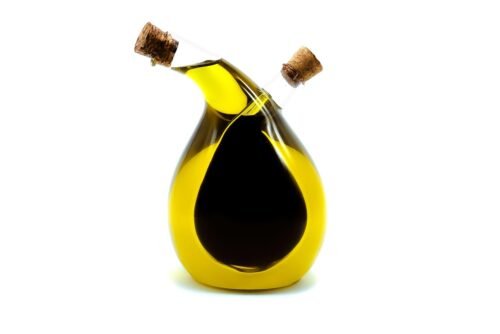
Vinegar is frequently recommended as a household solution for removing limescale. Its acidity can dissolve calcium carbonate deposits, which explains why it’s commonly used for cleaning kettles and other suitable surfaces. But does that make it safe for steam cleaners? Not necessarily. Vinegar may be unsuitable for certain seals, metals, coatings or internal components. Some manufacturers specifically advise against using it. Introducing unapproved cleaning solutions into a boiler can also create maintenance problems or affect warranty conditions. For that reason, never assume vinegar is suitable simply because it removes limescale elsewhere. Use only the cleaning method and products approved for your particular steam cleaner.
How Often Should You Descale Your Steam Cleaner?

There’s no universal descaling schedule suitable for every machine. The appropriate frequency depends on water hardness, usage, equipment design and the manufacturer’s maintenance requirements. A domestic steam cleaner used occasionally will have different maintenance needs from a commercial machine operating for several hours each day. Water quality also plays an important role. Equipment regularly filled with hard water may require more attention than equipment operating with manufacturer-approved treated water. Rather than waiting for performance to deteriorate, establish a routine based on the instruction manual. Keep a simple record of maintenance dates, operating hours and any unusual behaviour. For commercial cleaning businesses, this information can help identify recurring problems and plan servicing before unexpected downtime occurs.
Can You Prevent Limescale From Forming?

Although mineral build-up can be difficult to eliminate completely, several practical measures can reduce the risk. The most important is using water that meets your steam cleaner manufacturer’s specifications. Some machines are designed for ordinary tap water, while others permit or recommend particular types of treated water. Importantly, distilled or demineralised water isn’t automatically suitable for every model. Certain machines rely on the electrical conductivity of water for their level-detection systems. Regularly inspect accessible components, follow recommended maintenance intervals and address changes in performance promptly. Where appropriate, consider whether an approved water treatment system would benefit equipment operating in hard-water areas. For businesses, staff training is equally valuable. Making sure everyone understands the correct filling, operating and maintenance procedures can prevent avoidable equipment problems.
Why Hard Water Is Particularly Relevant in the UK

Water hardness varies considerably across the United Kingdom. Many areas of southern and eastern England have relatively hard water because groundwater passes through geological formations containing calcium and magnesium minerals. Other regions, including parts of Scotland and Wales, generally have softer water supplies. However, hardness can vary within regions, so local water quality information is more useful than broad geographical assumptions. If you’re unsure about your supply, your water provider should be able to provide hardness information for your postcode. This can help you understand the potential for mineral deposits and whether additional preventative measures are worth considering. For professional cleaning operations, knowing your water quality is a practical part of equipment management.
How Limescale Affects Commercial Steam Cleaning Equipment

Commercial steam cleaners often operate under more demanding conditions than domestic appliances. They may be used for extended periods, moved between cleaning locations and expected to deliver consistent performance across different applications. This makes preventative maintenance especially important. A reduction in steam output can slow cleaning teams, while unexpected breakdowns may interrupt scheduled work. For businesses operating in hospitality, healthcare, facilities management or industrial environments, equipment reliability is essential to maintaining cleaning standards and productivity. Limescale is just one of several issues that can affect commercial steam cleaners, but it’s also one that can often be managed through appropriate water quality and maintenance procedures. Choosing equipment with accessible maintenance features, clear operating instructions and reliable servicing support can make long-term ownership considerably easier.
When Should You Repair or Replace Your Steam Cleaner?

Not every poorly performing steam cleaner needs replacing. If mineral deposits are responsible for reduced performance, appropriate descaling or servicing may restore normal operation. However, repeated faults, damaged components and rising repair costs can make replacement worth considering. Before making a decision, assess the machine’s age, maintenance history, availability of replacement parts and overall condition. For commercial users, downtime should also be considered. An unreliable machine may appear inexpensive to keep running, but repeated interruptions can affect productivity and operating costs. A professional inspection can help determine whether repairs are economical or whether newer equipment would be a more practical investment.
Choosing a Reliable Steam Cleaner for Long-Term Performance

When purchasing a steam cleaner, it’s easy to focus on steam pressure, heating time and cleaning power. These specifications matter, but maintenance requirements deserve just as much attention. Look for equipment that suits your expected workload and offers clear guidance on water quality, routine maintenance and servicing. Depending on the application, useful considerations include boiler design, refill arrangements, accessory availability and access to technical support. For businesses, it’s also worth thinking about how easily employees can operate and maintain the equipment. A powerful machine is only valuable if it remains dependable throughout its working life. At Pure Steam Cleaners, you can explore steam cleaning equipment for different applications and find options suited to your cleaning requirements. Choosing an appropriate machine from the outset, then maintaining it correctly, can help reduce avoidable problems and support consistent cleaning performance.
Find the Right Steam Cleaner at Pure Steam Cleaners

Whether you’re replacing an ageing machine or investing in steam cleaning equipment for the first time, choosing the right model can make a noticeable difference to your cleaning routine. At Pure Steam Cleaners, you can explore steam cleaning solutions designed for a variety of domestic and professional applications. If your existing machine is struggling with reduced steam output, longer heating times or recurring maintenance problems, it may be worth reviewing whether it still meets your needs. From understanding equipment specifications to comparing cleaning applications, selecting a suitable steam cleaner is an important part of maintaining an efficient cleaning operation.
Check out our range of self-descaling steam cleaners!
Pure Steam Cleaners specialises in hiring and selling powerful, self-descaling commercial and industrial dry steam cleaners. Our machines are ideal for deep cleaning in kitchens, healthcare facilities, and manufacturing plants without harsh chemicals. Hires and sells new and second-hand cleaning equipment, including industrial vacuums, floor scrubbers, pressure washers, and floor polishers at Cleaning Equipment Services Ltd. We’re always available to answer any questions and provide guidance on the best cleaning methods and procedures. We’re also very patient and accommodating with explaining the operation and maintenance of the equipment.

Leave a Reply
You must be logged in to post a comment.