
Commercial & Industrial Steam Cleaners | Pure Steam Cleaners.uk


Key takeaways:
- Reliable steam delivery improves cleaning efficiency. A steady supply helps loosen dirt and grease without unnecessary interruptions or repeated cleaning.
- Steam pressure and temperature work together. Maintaining suitable operating conditions helps a machine deliver predictable results across different surfaces.
- Professional steam cleaners support demanding workloads. Machines designed for sustained operation are better suited to larger areas and frequent cleaning tasks.
- Irregular steam delivery can increase cleaning time. Fluctuating performance may leave areas insufficiently cleaned and reduce productivity.
- Choosing the right equipment protects your investment. Boiler capacity, steam production rate, pressure control and maintenance requirements all influence long-term performance.
Check out our range of dry steam cleaners!
Steam cleaning has become an essential part of modern cleaning, helping businesses tackle stubborn dirt, grease and grime without relying heavily on chemical products. However, not all steam cleaners deliver the same results. One of the biggest differences between an average machine and a high-performing professional model is consistent steam output. Imagine trying to clean a heavily soiled kitchen floor with a machine that produces powerful steam one minute and barely any the next. You would spend more time waiting, repeat the same areas and struggle to achieve an even finish. A reliable steam supply makes cleaning more predictable, efficient and manageable, particularly in demanding commercial environments. At Pure Steam Cleaners, we understand how steam cleaning technology works can help you choose equipment that genuinely meets your cleaning requirements. Whether you manage a hospitality venue, healthcare facility, office or industrial workspace, the quality and reliability of your machine’s steam supply can make a noticeable difference.
What Is Steam Output in a Steam Cleaner?

Steam output refers to the amount of steam a machine produces and delivers through its cleaning attachment over a given period. Manufacturers may express this as grams per minute (g/min), kilograms per hour (kg/h) or another measure of steam production. Put simply, it tells you how much steam your cleaner can supply while working. A steam cleaner heats water inside a boiler or heating system until it produces steam. That steam travels through a hose and nozzle, where heat and moisture help soften dirt, loosen grease and make unwanted deposits easier to remove. However, steam output is not the same as steam pressure or temperature. These measurements describe different aspects of performance, and understanding the distinction helps you compare machines more accurately.
Why Consistent Steam Output Is Essential for Effective Cleaning

When a steam cleaner delivers a steady supply of steam, operators can work across surfaces without constantly adjusting their technique or waiting for the machine to recover. This matters because effective steam cleaning depends on applying sufficient heat and moisture to the area being treated. If steam delivery suddenly drops, the cleaning process can become less effective. Grease may take longer to soften, dried-on deposits may require additional passes, and operators might need to slow down. For businesses cleaning multiple rooms, large floors or heavily used equipment, these small delays can quickly add up. A machine that performs reliably throughout a cleaning session helps maintain a practical workflow. Instead of focusing on whether the equipment is keeping up, staff can concentrate on completing the job properly.
The Relationship Between Steam Pressure, Temperature and Flow

Steam cleaning performance depends on more than one technical specification. Pressure, temperature and flow rate each contribute to how steam reaches a surface and interacts with dirt. Understanding how they work together makes it easier to identify a machine suited to your needs.
Steam Pressure: How Steam Is Delivered
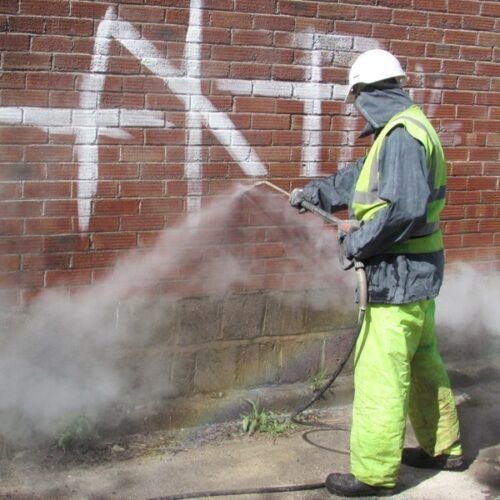
Steam pressure is commonly measured in bar and describes the pressure available within the system. Higher pressure can help deliver steam through a nozzle with greater force, which may be useful when tackling stubborn deposits or cleaning awkward areas. However, higher pressure does not automatically mean better cleaning. A machine with impressive pressure figures but insufficient steam production may struggle to maintain performance during prolonged use. The important question is not simply how much pressure a machine can generate, but how effectively it maintains suitable operating conditions while you clean.
Steam Temperature: The Role of Heat

Heat is one of the main reasons steam cleaning works so effectively on many types of dirt. Hot steam helps soften grease, loosen residues and reduce the effort required to remove certain deposits. For example, think about cleaning a greasy cooking surface. Cold water alone may struggle to break down the residue, whereas heat makes the grease easier to remove. The same principle applies to steam cleaning. However, the temperature stated in a machine’s specifications may refer to conditions inside the boiler rather than the temperature reaching the surface. Heat losses can occur as steam passes through the hose, nozzle and surrounding air. This is why the machine’s overall design matters just as much as its advertised temperature.
Steam Flow Rate: Maintaining Cleaning Performance

Steam flow rate determines how much steam is supplied during operation. A machine may produce high-temperature steam, but if the flow rate is too low for the task, cleaning can become frustratingly slow. Conversely, excessive steam flow may introduce unnecessary moisture, particularly when working on sensitive materials. The ideal flow rate depends on the surface, type of dirt and cleaning method. Professional machines with adjustable steam delivery allow operators to select an appropriate setting rather than using maximum output for every task.
How Inconsistent Steam Delivery Affects Cleaning Results

An unreliable steam supply can cause several practical problems. Imagine cleaning a tiled floor where the first section receives a strong flow of steam, but the next section receives significantly less. Even if you use the same technique, the results may differ. Some areas may need additional attention, while others clean more easily. This becomes particularly noticeable when removing stubborn grease, adhesive residues or accumulated grime. Inconsistent delivery can also make it harder to establish a repeatable cleaning procedure, especially when several employees use the same equipment. For commercial businesses, repeatability matters. Staff need equipment that performs predictably, regardless of who is operating it.
Why Steady Steam Production Saves Time

Time is one of the most valuable resources in any cleaning operation. When equipment struggles to maintain steam production, operators may need to pause, wait for pressure to recover or repeat sections that have already been treated. These interruptions might seem minor, but they become significant during longer cleaning sessions. Consider a cleaning team responsible for several kitchens, washrooms or workspaces. Even a few additional minutes per area can extend the overall schedule. Reliable steam production helps reduce avoidable delays and supports a more efficient cleaning routine. It also allows businesses to plan cleaning tasks with greater confidence, particularly when areas must be ready for customers, employees or visitors at specific times.
The Importance of Steam Output in Commercial Cleaning

Commercial cleaning places different demands on equipment compared with occasional domestic use. A household steam cleaner might only operate for short periods, whereas a professional machine may be expected to handle extended cleaning sessions across multiple areas. This is where equipment quality becomes particularly important. A commercial steam cleaner should be selected according to its intended workload, rather than simply its purchase price or maximum advertised pressure. Businesses should consider how long the machine can operate, how quickly it produces steam and whether it can maintain adequate performance during demanding tasks.
Steam Cleaning in Commercial Kitchens

Commercial kitchens present some of the toughest cleaning challenges. Cooking oils, food residues and grease can accumulate on equipment, tiles, extraction components and difficult-to-reach surfaces. Steam cleaning can help soften these deposits, making them easier to remove with suitable brushes, cloths or extraction equipment. A steady steam supply is particularly valuable when cleaning several greasy surfaces consecutively. Without it, operators may find themselves repeatedly working over the same deposits. Professional steam cleaning can complement a kitchen’s established cleaning procedures, although food-contact surfaces must still be cleaned and sanitised according to the site’s hygiene requirements.
Steam Cleaning in Healthcare Environments

Healthcare facilities require carefully controlled cleaning procedures. Steam cleaning can support certain cleaning tasks, particularly on compatible hard surfaces and equipment, where approved by the facility’s infection prevention and control procedures. Reliable steam delivery helps operators apply a more repeatable cleaning technique. However, it is important to distinguish between cleaning, disinfection and sterilisation. A steam cleaner should not automatically be considered a medical steriliser. Any disinfection claims depend on the specific machine, operating conditions, validated procedures and relevant evidence. Healthcare teams should always follow their organisation’s approved cleaning protocols and equipment guidance.
Steam Cleaning in Hotels and Hospitality
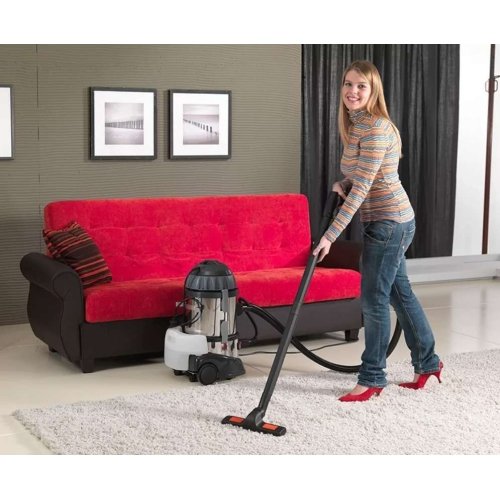
Hotels, restaurants and hospitality venues often need to clean efficiently between periods of customer use. Steam cleaners can be useful for tackling bathroom grime, tiled surfaces, kitchen equipment and other compatible areas. A reliable steam supply allows housekeeping and maintenance teams to work more smoothly without frequent interruptions. This can be particularly helpful when cleaning schedules are tight. However, operators should always check material compatibility before applying steam to upholstery, flooring, sealed surfaces or delicate finishes.
Check out our range of dry steam cleaners!
Steam Cleaning in Industrial and Manufacturing Facilities

Industrial environments often involve heavier contamination than ordinary offices or domestic properties. Machinery housings, workshop surfaces and production equipment may accumulate grease, oils and other stubborn deposits. Where steam cleaning is appropriate and permitted by equipment manufacturers, professional machines can help loosen contamination without relying entirely on aggressive chemical cleaners. Sustained steam production becomes particularly useful when working across larger surfaces or carrying out repetitive cleaning tasks. Before cleaning machinery, businesses should assess electrical risks, heat-sensitive components and relevant isolation procedures.
How Boiler Design Influences Steam Consistency

The boiler is the heart of a steam cleaner. Its job is to heat water and produce steam at a rate suitable for the machine’s intended workload. If the heating system cannot replace steam as quickly as it is being used, pressure may fall during prolonged operation. The operator might notice weaker steam delivery or need to pause while the boiler recovers. Professional steam cleaners typically use heating systems designed to support sustained operation. When comparing machines, consider boiler power, heating capacity, steam production and the manufacturer’s guidance on continuous use. A larger boiler is not automatically better. What matters is whether the complete system can deliver the performance your cleaning tasks require.
Why Automatic Boiler Refilling Makes a Difference

Traditional direct-fill steam cleaners may need to be switched off, depressurised and allowed to cool before their boilers can be safely refilled. For occasional cleaning, this may be manageable. For commercial applications, however, frequent interruptions can become inconvenient. Automatic boiler refilling systems offer a practical alternative. These machines use a separate water reservoir to replenish the boiler during operation, helping maintain the water supply without repeatedly opening a pressurised boiler. For example, the Pure s6 Commercial Steam Cleaner features automatic refilling, adjustable steam flow and a steam production rate of 48 g/min. Its external water container can be replenished without waiting for the boiler to cool, reducing unnecessary downtime. For businesses that clean throughout the working day, this type of design can make a substantial difference to convenience and productivity.
How Limescale Can Disrupt Steam Cleaner Performance

Limescale is one of the most common maintenance concerns for equipment that heats water. It forms when dissolved minerals, particularly calcium and magnesium compounds, leave deposits as water is heated. Over time, these deposits can accumulate around heating surfaces and inside components. Depending on the machine’s design, excessive scale can reduce heating efficiency, restrict water or steam pathways and contribute to inconsistent performance. This is particularly relevant in areas with hard water. Regular maintenance and appropriate water management help protect the machine’s performance. At Pure Steam Cleaners, we also offer models featuring self-descaling technology designed to reduce scale-related problems within the boiler system. Always follow the manufacturer’s instructions when maintaining or descaling your equipment.
Does Consistent Steam Output Reduce Water and Chemical Usage?

Steam cleaning can be an effective way to reduce reliance on certain conventional cleaning methods. Rather than soaking a surface with large quantities of water, a steam cleaner uses heated water delivered through a controlled nozzle. Because heat helps loosen many types of contamination, some tasks can be completed with less chemical assistance. However, the environmental benefits depend on how the machine is used. Repeated cleaning passes, excessive steam flow or unsuitable attachments can waste water and energy. Consistent steam output allows operators to apply a more controlled cleaning technique, helping them avoid unnecessary repetition. Adjustable steam settings are especially useful because different surfaces require different amounts of heat and moisture. For businesses aiming to reduce resource consumption, choosing suitable equipment and training staff to use it efficiently can support more responsible cleaning practices.
How to Choose a Steam Cleaner for Continuous Operation

Choosing the right steam cleaner starts with understanding the work it needs to perform. A machine used occasionally for bathroom fittings will have different requirements from one used for several hours in a commercial kitchen. Rather than focusing exclusively on pressure, consider the complete operating system.
Important features include:
- Steam production rate: How much steam can the machine deliver during operation?
- Boiler power: Can the heating system support your intended workload?
- Automatic refilling: Can water be replenished without a lengthy cooling period?
- Adjustable steam flow: Can operators adapt the output to different surfaces?
- Maintenance requirements: How easily can the machine be maintained?
- Attachments and accessories: Are suitable tools available for your cleaning tasks?
- Steam and vacuum capability: Would removing loosened dirt and moisture improve your workflow?
The best choice is not necessarily the most powerful or expensive machine. It is the one that matches your cleaning requirements.
Commercial Steam Cleaners Available from Pure Steam Cleaners

At Pure Steam Cleaners, we offer a range of professional equipment designed for commercial and industrial applications. Different models provide different combinations of steam production, pressure, vacuum extraction and additional cleaning functions. The Pure s6 delivers 6 bar pressure and 48 g/min steam production. Its automatic refilling system makes it suitable for extended steam-only cleaning tasks, including equipment and kitchen cleaning.
Combining steam delivery with vacuum extraction, the Pure v6 operates at 6 bar with a stated steam production rate of 43 g/min. It is designed for businesses that need to loosen contamination and remove moisture during cleaning.
Designed for more demanding applications, the Pure i6-SO produces 53 g/min of steam at 6 bar. It features automatic boiler refilling, adjustable steam flow and additional water and detergent delivery options.
Explore the full range of commercial steam cleaners to compare specifications and find a machine suited to your business.
Frequently Asked Questions About Steam Cleaner Performance

Why Does My Steam Cleaner Lose Pressure During Use?
A steam cleaner may lose pressure when steam is being released faster than the heating system can replace it. Other possible causes include insufficient water, restricted components, excessive limescale or maintenance issues. Some pressure variation is normal, particularly when operating at maximum output. However, persistent or unusually severe pressure loss may indicate that the machine needs inspection or servicing.
Is Higher Steam Pressure Always Better?
Not necessarily. Higher pressure can be useful for certain demanding cleaning tasks, but it does not guarantee better results. Steam production rate, temperature, nozzle design and the type of contamination also influence performance. A machine delivering a reliable volume of steam at a suitable pressure may be more practical than one with a higher maximum pressure that cannot sustain it.
Can a Steam Cleaner Run Continuously?
Some professional steam cleaners are specifically designed for extended operation. Models with automatic boiler refilling can replenish their water supply without requiring the same cooling procedure as traditional direct-fill systems. However, continuous operation does not mean unlimited operation without maintenance, water replenishment or operator breaks. Always follow the manufacturer’s instructions and recommended operating procedures.
How Can I Maintain Consistent Steam Output?
Regular maintenance is essential for keeping a steam cleaner performing reliably. Check water levels, inspect hoses and attachments for restrictions, and follow the manufacturer’s recommended cleaning and servicing schedule. Use the correct water type for your machine and pay attention to any unusual changes in pressure, steam volume or heating behaviour. Choosing a well-designed professional machine and maintaining it properly can help preserve reliable performance over its working life.
Check out our range of dry steam cleaners!
Pure Steam Cleaners specialises in hiring and selling powerful, self-descaling commercial and industrial dry steam cleaners. Our machines are ideal for deep cleaning in kitchens, healthcare facilities, and manufacturing plants without harsh chemicals. Hires and sells new and second-hand cleaning equipment, including industrial vacuums, floor scrubbers, pressure washers, and floor polishers at Cleaning Equipment Services Ltd. We’re always available to answer any questions and provide guidance on the best cleaning methods and procedures. We’re also very patient and accommodating with explaining the operation and maintenance of the equipment.

Leave a Reply
You must be logged in to post a comment.