
Commercial & Industrial Steam Cleaners | Pure Steam Cleaners.uk


When you are comparing steam vs. cold water jet washing, it is easy to assume that more water and more pressure must mean better cleaning. After all, a cold water jet can make a spectacular mess while removing dirt at impressive speed. The trouble is, cleaning is not really about creating the biggest splash. It is about removing the right type of contamination from the right surface without creating another problem in the process. For many commercial and industrial environments, superheated steam offers a very different approach.
Key Takeaways
- Cold water jet washing relies heavily on water volume and mechanical pressure to remove dirt.
- Steam uses high temperatures to soften grease, grime and other stubborn contamination.
- Steam can use considerably less water than conventional pressure washing for many cleaning tasks.
- Steam is particularly useful where hygiene, reduced moisture and detailed cleaning matter.
- The best choice depends on the surface, contamination, working environment and desired result.
Check out our range of steam cleaners!
Check out Cleaning Equipment Services’ range of the best jet washers!
What Is the Difference Between Steam And Cold Water Jet Washing?

The biggest difference is how each method attacks dirt. Cold water jet washing uses a concentrated stream of water under pressure to physically blast contamination away. Steam cleaning takes a different route. Superheated steam applies heat and controlled pressure to soften, loosen and lift dirt from the surface.
Think of baked-on grease on a commercial kitchen floor. A cold water jet can attack it with force, but the water still has to overcome the greasy layer. Steam heats the contamination first, making it softer and easier to remove. It is a little like trying to remove dried-on food from a pan. You can attack it with enthusiasm, or you can warm it up first and save yourself the wrestling match.
How Does Cold Water Jet Washing Remove Dirt?

Cold water jet washing is primarily a mechanical cleaning process. Water is forced through a nozzle at pressure, creating a powerful jet that strikes the surface and breaks contamination away.
This makes pressure washing useful for large areas covered in loose dirt, mud, dust and outdoor grime. Concrete yards, walls, vehicles, plant equipment and external surfaces can often benefit from the sheer force of the water.
The limitation is that cold water does not provide the same heat-assisted cleaning action as steam. Heavy grease, oil and baked-on contamination can be more stubborn, particularly when the water is cold and the operator needs to compensate with greater pressure, cleaning chemicals or repeated passes.
How Does Steam Cleaning Work?

Steam cleaning uses heat as a major part of the cleaning process. Our commercial and industrial steam cleaners heat water to produce high-temperature steam, which is delivered through a controlled nozzle.
Our machines can produce steam at temperatures around 165°C, with models providing pressures around 6 bar and higher. The result is a concentrated stream of superheated steam that can penetrate and loosen stubborn contamination without flooding the area with water.
The heat helps soften grease, grime and other residues, while the pressure gives the steam enough force to work into awkward areas. That combination is particularly useful when a cleaning team needs more than simply moving dirt from one place to another.
Which Method Is Better For Grease?
Steam generally has the advantage when grease is the main problem. Heat helps break down greasy contamination, allowing it to be lifted from the surface rather than simply pushed around.
This is one reason steam is useful in kitchens, food processing environments, workshops, automotive settings and other workplaces where oily residues are part of the daily cleaning battle.
Cold water can still remove grease, especially when combined with suitable detergents and sufficient pressure. The problem is that cold water alone is not particularly interested in dissolving stubborn grease. It tends to rely on force. Steam brings heat to the fight, which can make a significant difference.
Does Cold Water Jet Washing Use More Water?

In many applications, yes. Cold water jet washing can consume substantial quantities of water because the cleaning process depends on a continuous flow to physically remove contamination.
That is not necessarily a problem when cleaning a large outdoor surface where plenty of water is available and drainage is straightforward. It becomes more awkward inside buildings, around sensitive equipment or anywhere that large amounts of wastewater create an additional job.
Steam cleaning works with much smaller quantities of water. Our dry steam cleaners are designed to produce large volumes of steam from relatively small water supplies, making them suitable for businesses where reducing water use matters. Our machines are also DEFRA qualified for water efficiency.
Is Steam Better For Indoor Cleaning?
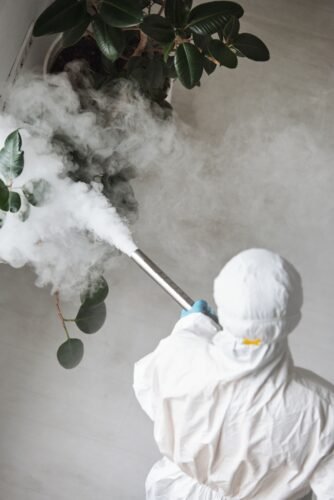
Steam is often the more practical option indoors because it introduces far less water to the cleaning process. That matters when you are cleaning floors, machinery, walls, fittings, food preparation areas or equipment inside an occupied building.
A cold water jet may clean the surface brilliantly while simultaneously soaking everything within a five-metre radius. Wonderful if your business happens to be an empty car park. Less wonderful if there is electrical equipment, stock, furniture or a colleague standing nearby.
Steam allows operators to target dirt much more precisely. With the right tool and technique, you can clean awkward areas without turning the surrounding workspace into a paddling pool.
Which Method Is Better For Hygiene?

Steam can be particularly useful when hygiene is a major priority because high temperatures provide an additional weapon against microorganisms.
Our steam cleaners are designed for commercial and industrial cleaning applications where businesses need to tackle dirt, grease and contamination. The combination of heat and controlled steam makes them suitable for environments including healthcare, food processing, hospitality, kitchens and other hygiene-sensitive workplaces.
Cold water jet washing can remove contamination effectively, but cold water itself does not provide the same high-temperature cleaning action. Operators may need to rely more heavily on detergents, disinfectants or additional cleaning stages when hygiene is the main objective.
Can Steam Remove Dirt Without Chemicals?

Yes, many cleaning jobs can be completed with steam alone. Heat and pressure can loosen grease, grime, residues and other contamination without requiring a chemical cleaning product.
That does not mean chemicals never have a place. Some particularly stubborn substances may still require a specialist detergent or treatment. Our Pure i6-SO, for example, has a detergent supply for tasks where an additional cleaning product is appropriate.
For routine cleaning, though, reducing chemical use can simplify the process and reduce the number of products your cleaning team needs to store, handle and replenish.
What About Cleaning Large Outdoor Areas?

This is where cold water jet washing can make a lot of sense. Large external surfaces covered in loose mud, moss, dust and general outdoor grime can be cleaned quickly with a pressure washer.
If you are cleaning a warehouse yard after a particularly enthusiastic delivery of mud, a steam cleaner may not be the first machine you reach for. Cold water pressure washing is built for shifting large amounts of loose debris across broad surfaces.
Steam comes into its own when the contamination is more stubborn, greasy, sensitive or difficult to reach. The two methods are not enemies. They are tools designed for different jobs.
Which Method Is Better For Machinery?

Steam can be an excellent choice for machinery because it allows operators to target contamination while introducing relatively little water.
Industrial equipment often collects grease, oil, dust and production residues in awkward places. A high-pressure stream of cold water can push contamination further into gaps, bearings, electrical areas or other components that really did not ask for a bath.
Steam gives operators greater control over where the cleaning action is directed. Our industrial range includes machines designed for heavy-duty applications, with features such as adjustable steam flow, larger water supplies and self-descaling boilers.
Equipment manufacturers’ cleaning instructions should always be followed, especially around electrical components, seals, bearings and heat-sensitive materials.
Does Steam Dry Faster Than Pressure Washing?

Steam can leave considerably less water behind than conventional jet washing because the cleaning process uses much less liquid.
This can be useful in workplaces where equipment needs to return to service quickly or where standing water is undesirable. It can also reduce the time spent dealing with puddles, runoff and wet floors.
That does not mean every surface will magically dry before the operator has put the hose away. Steam is still moisture. The difference is the quantity involved. A cleaning method that uses litres rather than a constant stream of water can make the drying stage much easier to manage.
Which Method Is Better For Detailed Cleaning?

Steam has a strong advantage when cleaning requires precision. Small nozzles and specialist accessories allow steam to be directed into joints, corners, grooves, gaps and other awkward areas.
This makes it useful for tasks such as cleaning grout, machinery, kitchen equipment, vehicle interiors, bathroom fittings and detailed surfaces.
Cold water jet washing is powerful, but power is not always precision. Sometimes you need a hammer. Sometimes you need a toothbrush. Using a pressure washer to clean a tiny awkward component can feel a bit like using a fire hose to wash your glasses.
Can Steam Be Used On Vehicles?

Yes. Steam is widely suited to detailed vehicle cleaning because it can tackle dirt, grease and odours while using relatively little water.
Our machines are used for automotive and vehicle interior applications, with suitable models offering steam and vacuum functions. The Pure i6-SV, for example, combines steam, vacuum, hot water and detergent functions in one machine.
This can be particularly useful for commercial vehicles, car valeting, workshops and fleet cleaning where operators need to clean interiors and detailed areas without soaking the vehicle.
Check out our range of steam cleaners!
Check out Cleaning Equipment Services’ range of the best jet washers!
Is Steam Suitable For Food Processing?
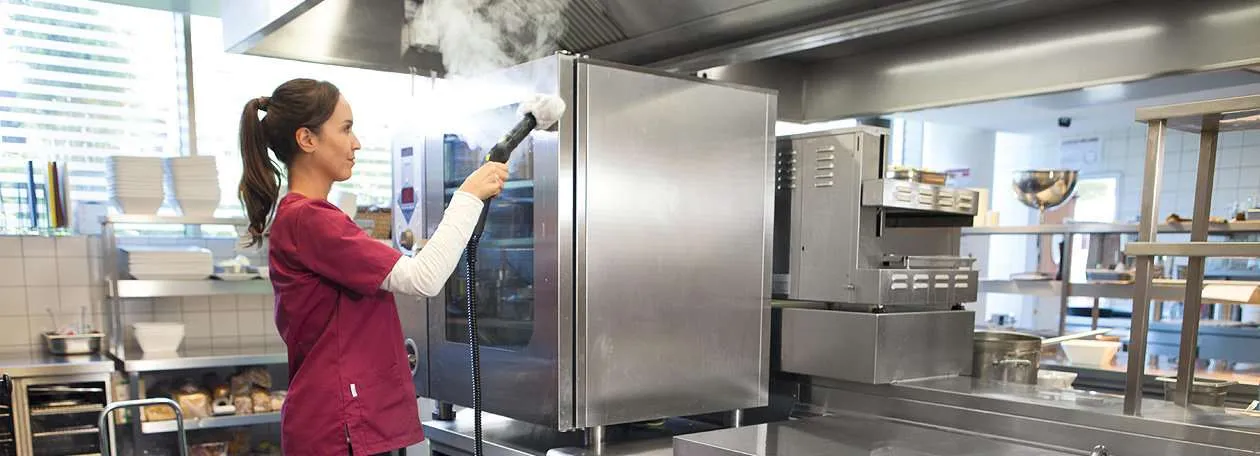
Steam can be particularly useful in food-related environments because cleaning often involves grease, dried-on residues and strict hygiene requirements.
The heat helps soften stubborn contamination, while low water consumption can make steam practical for areas where excessive water is undesirable. Steam can be directed around equipment, surfaces and difficult-to-reach areas with much more control than a high-volume water jet.
Cleaning procedures must still follow the relevant site hygiene requirements, equipment manufacturer’s instructions and food safety procedures. Steam is a cleaning method, not a substitute for having a proper cleaning system in place.
What Happens To Wastewater With Cold Water Jet Washing?

Cold water jet washing turns loosened contamination into wastewater. That wastewater has to go somewhere.
Depending on the site and the material being removed, the runoff may contain grease, oil, chemicals, dirt or other contaminants. Businesses need to consider drainage, collection and disposal requirements rather than assuming the water will simply disappear.
Steam reduces this issue because the cleaning process uses far less water. There will still be removed contamination to deal with, but the volume of liquid involved can be dramatically lower.
Does Steam Require More Maintenance?

Steam cleaning machines need sensible maintenance, just like pressure washers, scrubber dryers and any other professional cleaning equipment.
The boiler is particularly important. Limescale can be a problem in steam equipment because minerals in water can build up inside conventional boilers over time.
This is one area where our machines are designed differently. Pure Steam Cleaners use patented self-descaling boilers to reduce the problems associated with limescale build-up. That design is intended to help the machines remain reliable during regular commercial and industrial use.
Regular maintenance and correct operation still matter. No machine, however impressive, enjoys being ignored until something starts making an alarming noise.
Which Method Is More Suitable For Businesses?

The right choice depends on what your cleaning team actually encounters.
If your business mainly deals with large outdoor areas, loose mud and general external dirt, cold water jet washing may be the sensible option. If you regularly deal with grease, baked-on grime, hygiene-sensitive areas, machinery or detailed indoor cleaning, steam can offer a much better fit.
For many businesses, the most useful approach is not choosing one method for every job. A pressure washer can handle broad outdoor cleaning while a commercial or industrial steam cleaner tackles the detailed work.
When Should You Choose Steam Over Cold Water?

Choose steam when heat, precision and low water use are important. It is particularly useful when cleaning grease, oily residues, machinery, kitchens, food processing equipment, vehicle interiors, washrooms and other areas where excessive water could create problems.
The phrase steam vs. cold water jet washing should not really be treated as a contest where one machine wins every time. The better question is which method makes the particular cleaning job easier, safer and more practical.
Which Pure Steam Cleaner Should You Choose?

The right Pure Steam Cleaner depends on how often you clean, the type of contamination you face and whether you need additional functions such as vacuuming or detergent application.
Our commercial machines are designed for regular professional cleaning, while our industrial range is intended for heavier use and longer operating periods. The Pure i6-SO, for example, produces steam at 6 bar of pressure and a steam flow of 53 g/min. In simple terms, the pressure helps the steam reach and loosen dirt, while the steam flow describes how much steam the machine produces each minute. The Pure s6 also produces 6 bar of pressure, with a steam flow of 48 g/min.
If you need to recover liquid as you clean, our steam and vacuum models provide another option. The Pure i6-SV combines steam cleaning with vacuum recovery, hot water and detergent supply.
Why Does Steam Make Sense For Detailed Commercial Cleaning?

Commercial cleaning is rarely just about making something look clean. You may need to reduce grease, tackle stubborn residues, improve hygiene, minimise downtime and avoid leaving large amounts of water behind.
That is where steam earns its place. In the steam vs. cold water jet washing debate, steam brings heat into the equation, uses much less water for many applications and gives cleaning teams a precise way to target difficult contamination.
For businesses cleaning regularly, those practical differences can matter far more than simply choosing the machine with the highest pressure figure.
What Should You Consider Before Buying A Cleaning Machine?

Start with the dirt rather than the machine. What are you actually trying to remove? Grease needs a different approach from loose mud. Dried food residue is different from dust. Cleaning machinery is different from washing a concrete yard.
Then look at the environment. Are you working indoors or outside? Is water readily available? Do you need to minimise runoff? Does the area need to be back in use quickly? Are there electrical components or sensitive surfaces nearby?
Once you answer those questions, the choice becomes much clearer. Steam can be the better tool when heat and precision matter. Cold water jet washing can be the better tool when you need high-volume mechanical cleaning across large, robust outdoor surfaces.
For businesses still weighing up steam vs. cold water jet washing, the simplest starting point is to look at the cleaning problem rather than the pressure rating. A machine should make the job easier, not simply produce an impressive number on a specification sheet.
Check out our range of steam cleaners!
Check out Cleaning Equipment Services’ range of the best jet washers!
Pure Steam Cleaners specialises in hiring and selling powerful, self-descaling commercial and industrial dry steam cleaners. Our machines are ideal for deep cleaning in kitchens, healthcare facilities, and manufacturing plants without harsh chemicals. Hires and sells new and second-hand cleaning equipment, including industrial vacuums, floor scrubbers, pressure washers, and floor polishers at Cleaning Equipment Services Ltd. We’re always available to answer any questions and provide guidance on the best cleaning methods and procedures. We’re also very patient and accommodating with explaining the operation and maintenance of the equipment.
