
Commercial & Industrial Steam Cleaners | Pure Steam Cleaners.uk

Key Takeaways
- Vacuuming clears visible debris, but allergens often behave like they pay rent and refuse to leave
- Steam cleaning uses heat to target dust mites and microscopic irritants
- Regular vacuuming still matters, but it is not the full story for allergy control
- Combining steam and vacuuming creates a more balanced approach to cleaner indoor air
- Different spaces in a building need different strategies, especially when people and pets are involved
Check out our range of steam cleaners and steam vacuum cleaners!
What is steam vs vacuuming for allergy management really about?

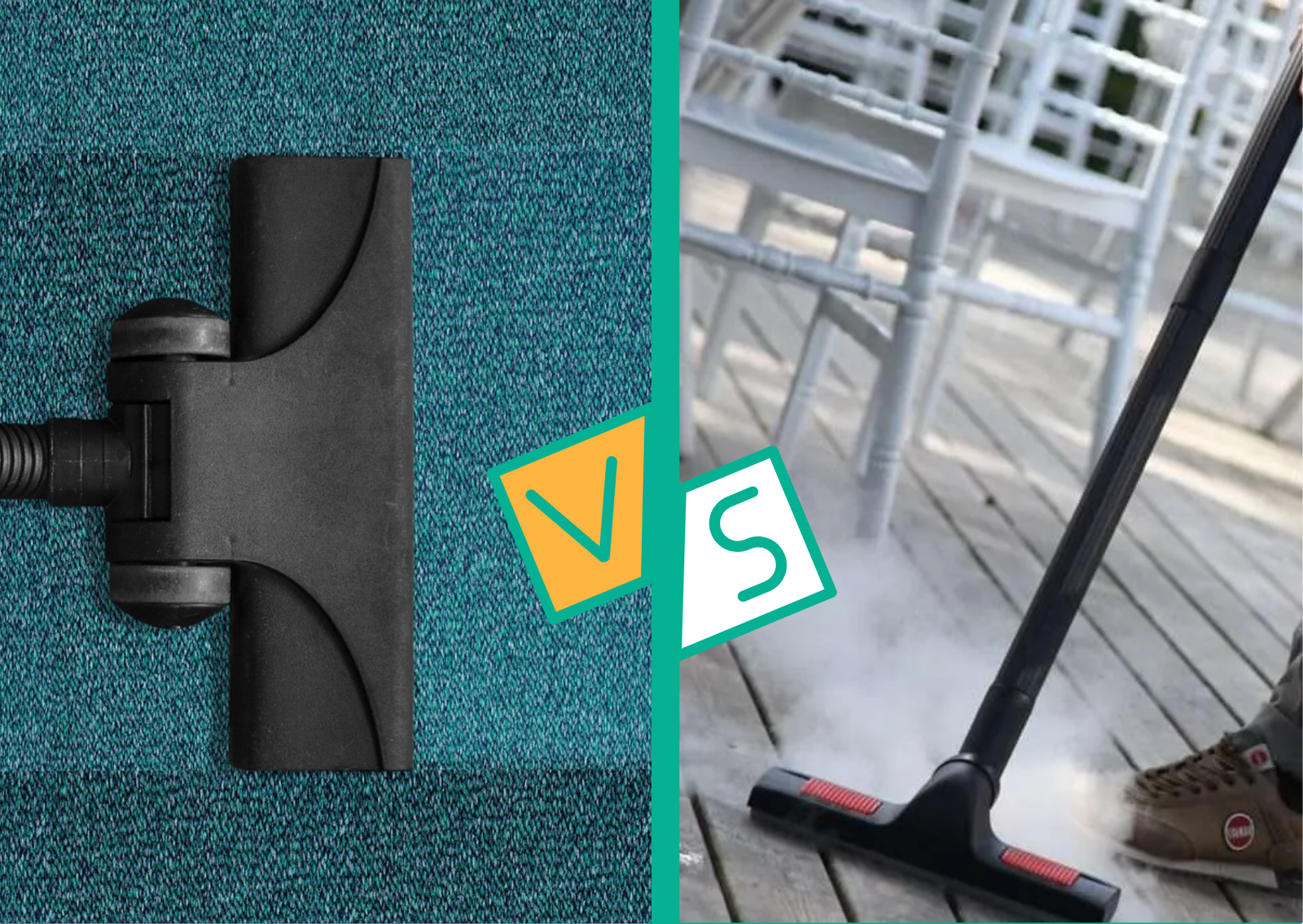
At its core, steam vs. vacuuming for allergy is not a competition in the boxing sense, it is more like comparing a net to a heat lamp. One collects, the other neutralises. Vacuuming focuses on removing visible dust and particles sitting on surfaces, while steam targets the microscopic guests you did not invite but who have settled in anyway. Most business spaces lean heavily on vacuuming, mainly because it feels productive and makes a satisfying noise, but steam brings a different kind of cleanliness that is less obvious but often more impactful when allergies are involved.
Why allergies make cleaning feel like a full-time job

Allergies turn ordinary dust into something that behaves like it has a personal agenda. Pollen, dust mites, pet dander and mould spores do not stay still, they circulate, cling, and resettle just when you thought the job was done. This is where steam vs. vacuuming for allergy becomes a practical question rather than a theoretical one. Cleaning stops being about appearance and starts being about air quality, which is far harder to measure unless you enjoy dramatic sneezing fits as a feedback system.
How does vacuuming actually help with allergens?
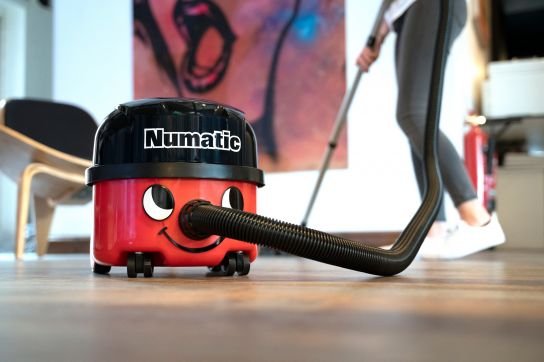
Vacuuming works by physically removing particles from carpets, upholstery and floors before they get kicked back into the air. A good machine with a HEPA filter can capture a large portion of allergens, which is why steam vs. vacuuming for allergy often starts with vacuuming as the baseline. It is particularly useful in high traffic areas where dust builds up quickly. Think of it as sweeping the stage before the performance, you are not solving everything, but you are clearing space for better results.
Where vacuuming falls short in allergy control
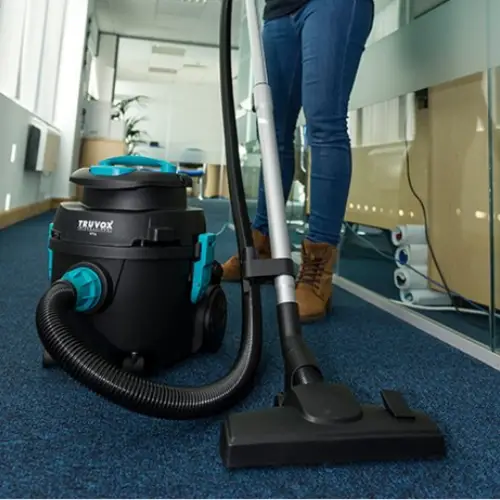
Vacuuming struggles with what it cannot reach. Dust mites buried deep in fabric fibres are not easily persuaded to leave by suction alone. Fine particles can also escape back into the air if filtration is not up to standard. This is where steam vs. vacuuming for allergy becomes more nuanced. Vacuuming handles the surface level well, but allergens embedded in textiles often remain untouched, quietly waiting for the next disturbance like very patient tenants.
What makes steam cleaning different for allergens?

Steam cleaning uses high temperature vapour to break down and disrupt allergens at a microscopic level. In steam vs. vacuuming for allergy discussions, steam is often described as the deeper clean because it does not rely on suction alone. It penetrates fibres, loosens debris and can reduce microbial activity on contact surfaces. It is less about collection and more about altering the environment so allergens are no longer comfortable hanging around.
Can heat actually kill dust mites and allergens?

Yes, heat can disrupt dust mites and neutralise certain allergens, which is why steam is often used in professional cleaning routines. In steam vs. vacuuming for allergy comparisons, this is the point where steam starts to feel like it has an unfair advantage. Dust mites do not cope well with sustained heat and moisture, which means steam can reduce their presence in mattresses, upholstery and soft furnishings more effectively than vacuuming alone.
Steam vs. vacuuming for allergy: which works faster in workplaces?

In busy workplaces, vacuuming often feels faster because it is immediate. Cleaners can move through large areas quickly with minimal disruption to staff and visitors. Steam cleaning takes more planning because equipment needs time to heat up and surfaces may require controlled treatment. In steam vs. vacuuming for allergy situations, though, speed is not only about how quickly the cleaning gets done, it is about how long the environment stays cleaner afterwards. Vacuuming delivers quick visual results in offices, meeting rooms and communal spaces, while steam cleaning tends to tackle allergens more deeply within carpets, upholstery and high contact areas, helping reduce recurring flare ups in the working environment.
Is vacuuming or steaming better for carpets?
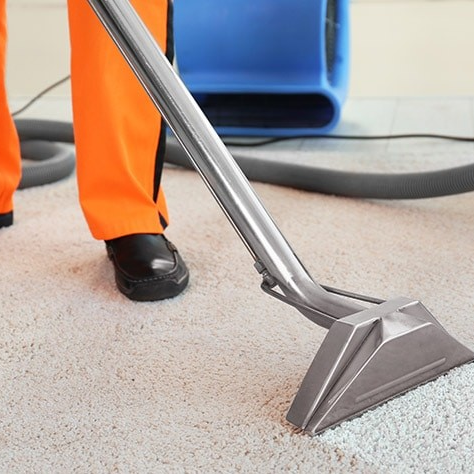
Carpets are basically storage units for everything you would rather not think about. Vacuuming keeps surface debris under control, but steam reaches deeper layers where allergens hide. In steam vs. vacuuming for allergy scenarios involving carpets, steam often provides the more thorough treatment, especially in environments with high footfall. That said, skipping vacuuming entirely would be like trying to mop a floor without sweeping it first.
What about mattresses and upholstery cleaning?
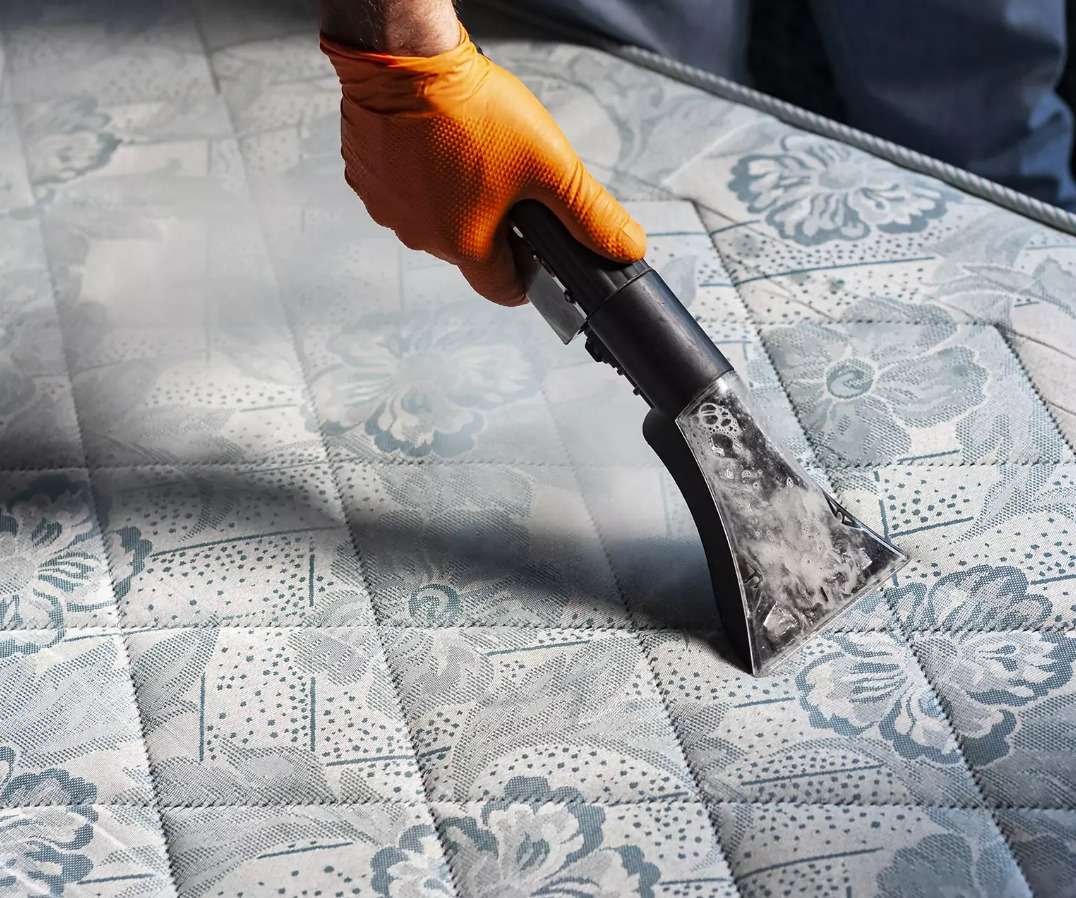
Mattresses and upholstered furniture are prime real estate for dust mites. Vacuuming helps reduce surface allergens, but steam introduces heat into areas where vacuuming cannot fully reach. This is where steam vs. vacuuming for allergy becomes very practical for businesses like hotels or offices with soft seating. Regular treatment matters more than intensity, because allergens build up quietly over time, not dramatically like a spill.
How often should you vacuum if you have allergies?

Frequency matters more than perfection. Regular vacuuming, ideally several times a week in busy environments, helps keep allergen levels stable. In steam vs. vacuuming for allergy planning, vacuuming forms the maintenance layer. It prevents buildup from getting out of hand, which is useful because nobody enjoys discovering that dust has developed its own ecosystem.
How often should you steam clean for allergy control?

Steam cleaning does not need to happen daily, or even weekly in most cases. Monthly or seasonal deep cleaning is usually enough for many environments, depending on exposure levels. In steam vs. vacuuming for allergy strategies, steam is the reset button rather than the routine task. It clears deeper buildup so vacuuming has less work to do afterwards.
Can you combine steam and vacuuming effectively?

Yes, and this is where most people get the best results. Vacuuming first removes loose debris, then steam tackles what remains embedded. In steam vs. vacuuming for allergy approaches, combining both is less about choosing sides and more about layering methods. It is a bit like washing dishes before putting them in a dishwasher, doing one without the other still leaves gaps.
Steam vs. vacuuming for allergy in animal-friendly workplaces

Animal-friendly workplaces can create a more relaxed atmosphere, but they also bring fur, dander and allergens into shared spaces. Vacuuming becomes essential for managing visible hair and daily debris, especially in carpets and seating areas where allergens settle quickly. Steam cleaning helps tackle the particles buried deeper within fabrics and soft furnishings, where standard vacuuming often struggles to reach. In steam vs. vacuuming for allergy environments involving animals, both methods become part of a practical routine if you want the workplace air to stay fresh rather than carrying the faint scent of wet Labrador through Monday morning meetings.
Check out our range of steam cleaners and steam vacuum cleaners!
Steam vs. vacuuming for allergy in office environments

Offices collect allergens in carpets, shared seating and ventilation systems. Vacuuming keeps shared spaces visually clean, while steam can help reduce deeper contamination in soft furnishings. In steam vs. vacuuming for allergy decisions in workplaces, the challenge is consistency, because no one has ever voluntarily scheduled “deep steam day” with enthusiasm.
Common mistakes people make with vacuuming allergy control

One common mistake is using a vacuum without proper filtration, which simply redistributes allergens back into the air. Another is irregular cleaning schedules that allow buildup to spiral. In steam vs. vacuuming for allergy planning, relying on vacuuming alone creates a false sense of control. It looks clean, but allergens are not always impressed by appearances.
Is steam cleaning safe for all surfaces?

Steam is powerful, but not universal. Delicate materials, untreated wood or certain finishes may not respond well to moisture and heat. In steam vs. vacuuming for allergy use, vacuuming wins on versatility while steam wins on depth. Knowing when not to use steam is just as important as knowing when to use it, unless you enjoy experimenting with furniture durability.
What do professionals say about steam vs vacuuming for allergy?

Professionals tend to view steam vs. vacuuming for allergy as a complementary relationship rather than a rivalry. Vacuuming handles routine maintenance, steam handles deep intervention. At Pure Steam Cleaners, this layered approach is commonly used, combining methods rather than relying on a single solution, and we provide a range of vacuum steam cleaners to suit different environments and requirements. It is less about choosing a champion and more about building a system that does not fall apart after a week.
A practical way forward without overthinking it

A sensible approach is simple. Vacuum regularly, steam periodically, and adjust based on how reactive the environment is. In steam vs. vacuuming for allergy routines, consistency beats intensity every time. There is no need to turn cleaning into a philosophical debate, even if the dust mites seem to be taking it personally.
Check out our range of steam cleaners and steam vacuum cleaners!
Pure Steam Cleaners specialises in hiring and selling powerful, self-descaling commercial and industrial dry steam cleaners. Our machines are ideal for deep cleaning in kitchens, healthcare facilities, and manufacturing plants without harsh chemicals. Hires and sells new and second-hand cleaning equipment, including industrial vacuums, floor scrubbers, pressure washers, and floor polishers at Cleaning Equipment Services Ltd. We’re always available to answer any questions and provide guidance on the best cleaning methods and procedures. We’re also very patient and accommodating with explaining the operation and maintenance of the equipment.
