
Commercial & Industrial Steam Cleaners | Pure Steam Cleaners.uk

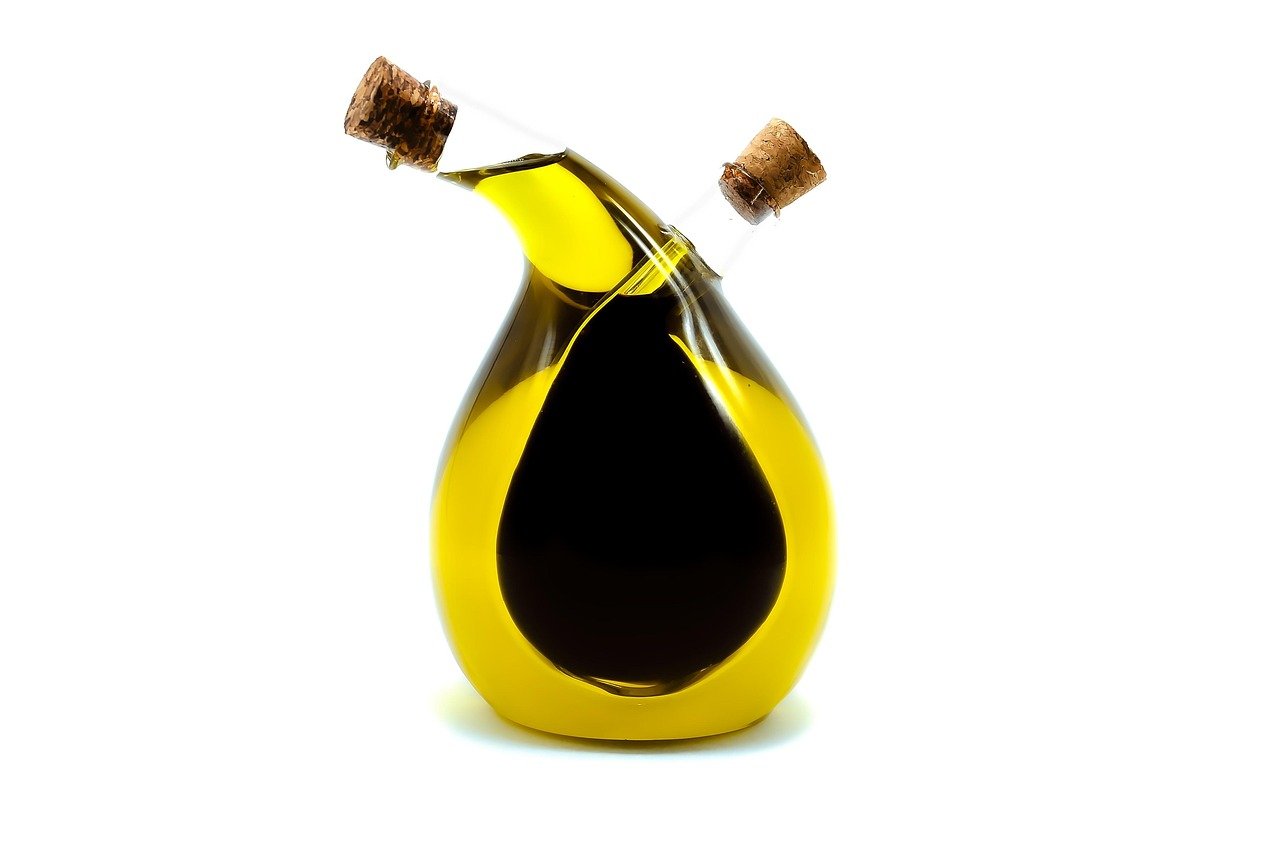
When businesses talk about going greener, the conversation usually turns into a polite stand-off between the people who prefer commercial steam cleaning and the die-hard fans of vinegar. The Steam vs. Vinegar debate has been going on for years, and depending on who you ask, you’ll get either a passionate speech about the power of heated water or an enthusiastic ode to what is essentially salad dressing with ambition. In the spirit of keeping things practical and slightly cheeky, this guide walks through how both options stack up for commercial environments where “good enough” rarely is.
The Rise of Commercial Steam in the Workplace

Anyone who’s witnessed a commercial steam cleaner in action knows it’s not exactly subtle. It hisses, it spits, it looks like it could interrogate suspects. But businesses appreciate it because it’s built to work. Steam cuts through grime with heat alone, which is ideal if you’d prefer your team not smell like a chip shop by lunchtime. The Steam vs. Vinegar debate always begins here: efficiency versus cost, and heat versus acidity. Commercial steam cleaning is based on one simple idea: if dirt is clinging on for dear life, just raise the temperature until it reconsiders its choices. For warehouses, hospitals, kitchens, and office spaces trying to keep everything compliant and presentable, steam offers a straightforward approach: heat, pressure, and no questionable fragrances.
Where Vinegar Enters the Conversation
Vinegar, for many businesses, is the friendly budget option that’s been lurking in cupboards for decades. It’s famous for being natural, cheap, and surprisingly feisty on limescale. In the Steam vs. Vinegar discussion, vinegar usually pops up as the plucky underdog trying to prove it can keep up with industrial demands even though it was originally designed for pickling onions. There’s no denying vinegar has its moments, windows, kettles, the odd sticky countertop, but in a commercial setting, the question is simple: can it scale? And more importantly, will your staff revolt if the entire premises smells like someone spilled a bag of salt and vinegar crisps?
Business Realities Behind the Steam vs. Vinegar Choice

In a home, choosing cleaning methods comes down to personal preference. In a business, it’s about safety standards, audit trails, and making sure no one writes a complaint email titled “Why does the conference room smell like a chip van?” The Steam vs. Vinegar comparison needs to look beyond old-fashioned opinions and get into day-to-day practicalities. For example, steam cleaners offer consistency. You press a button, the machine roars into life, and off you go. Vinegar requires mixing ratios, cloths, spray bottles, and the hope that whoever prepares it hasn’t mistaken it for another bottle in the cupboard.
The Science Behind Steam in Commercial Hygiene

Steam cleaning isn’t just warm water doing its best. It reaches temperatures high enough to tackle bacteria, break down grease, and loosen stubborn muck hiding in floor grout, textured surfaces, and all the places staff pretend they can’t see. In the Steam vs. Vinegar battle, this is where steam tends to pull ahead, heat is predictable, reliable, and doesn’t require marinating the premises in acidity. Because steam relies purely on heated vapour, it appeals to businesses wanting to reduce chemicals without compromising cleanliness. It also avoids the classic vinegar issue: your cleaners smelling like they’ve just returned from pickling duty.
Vinegar’s Green Credentials

To be fair, vinegar isn’t trying to be anything it’s not. It’s a natural acid, biodegradable, and friendly to the environment, qualities that appeal to eco-focused businesses. When comparing Steam vs. Vinegar, this is one of vinegar’s strongest points. The challenge is that “green” doesn’t automatically equal “suitable for industrial mess.” Vinegar is excellent for light cleaning and doesn’t cause any raised eyebrows from sustainability auditors, but once you start dealing with oils, machinery grime, or heavy footfall, it starts to feel like bringing a butter knife to a sword fight.
Health and Safety in Commercial Environments

Commercial settings don’t just need surfaces to “look clean.” They need them to be clean, preferably without half the staff coughing from fumes. The Steam vs. Vinegar decision affects this more than people realise. Steam leaves no residue. No streaks. No smells. Vinegar, on the other hand, leaves… vinegar. And if surfaces aren’t rinsed correctly, it may also leave staff wondering who spilled salad dressing everywhere. Depending on the sector, that smell can cause confusion, distraction, or in the case of hospitality, unwelcome questions from customers. On the bright side, vinegar doesn’t contain synthetic chemicals. But it’s also not a disinfectant by commercial standards, which means businesses often end up pairing it with something else. At that point, the “simple green solution” becomes an extra step in the routine.
The Role of Steam vs. Vinegar in Specialist Areas

Let’s talk specifics. Kitchens? Steam is excellent because high heat cuts through grease faster than vinegar can muster. Hospitals? Steam helps with hygiene protocols far more consistently. Offices? Vinegar does fine on glass, but steam can do that and everything else. The Steam vs. Vinegar standoff is clearest in high-traffic zones. Steam lifts dirt from grout and textured flooring where vinegar would simply run down it politely before giving up. And when it comes to upholstery or carpets, steam again performs better simply because it can penetrate fibres without leaving your meeting rooms smelling like a fish and chip shop.
Staff Training and Ease of Use

Businesses often underestimate how much staff training matters when choosing cleaning methods. Steam machines look like they require piloting experience, but once trained, staff appreciate how quickly they get results. Vinegar requires explaining dilution ratios, which, if done incorrectly, result in either extremely weak cleaner or extremely powerful chip-shop aroma. The Steam vs. Vinegar comparison here becomes a question of reliability. Steam gives predictable outcomes. Vinegar relies on humans, and humans, as we all know, can be creative when left unsupervised.
Environmental Impacts

Both options score well environmentally, just in different ways. Vinegar is natural and breaks down easily. Steam uses only water, but the machines require electricity. In the Steam vs. Vinegar debate, the choice depends on whether your business values energy efficiency or ingredient purity more. What tips the scale for many organisations is that steam avoids the environmental cost of transporting bottled vinegar solutions repeatedly. One machine can clean for years, while vinegar needs constant restocking, especially if overenthusiastic staff start drowning everything in it.
Cost Considerations for Businesses

Vinegar is undeniably cheap. Steam cleaners are an investment. But businesses shouldn’t just compare shelf prices. In the Steam vs. Vinegar decision, longevity and performance matter. Steam machines handle tougher jobs, meaning fewer repeat cleans. Vinegar may appear cheaper, but when you factor in man-hours, additional cleaning agents, and airing out the premises to remove smells, the savings shrink rapidly. In other words, steam is the one-off purchase, vinegar is the ongoing relationship you never quite meant to commit to.
Steam vs. Vinegar in Customer-Facing Areas

Front-of-house spaces need to be spotless without smelling suspicious. Steam wins here because it leaves nothing behind, no smears, no residue, and no eau-de-chip-shop hovering in the air. The Steam vs. Vinegar question in customer zones always circles back to impressions. Vinegar gives “DIY experiment.” Steam gives “professional.”
Durability and Surface Compatibility

Steam is safe for most surfaces, though you’ll want to avoid blasting delicate finishes like an over-enthusiastic dragon. Vinegar, meanwhile, has its own issues. It’s acidic enough to etch natural stone, damage grout, and corrode certain metals. In the Steam vs. Vinegar comparison, vinegar can become the unexpected renovation expense. Steam’s biggest advantage is that it doesn’t react with surfaces chemically. If you’ve got a mix of flooring types, equipment, and furniture, steam is usually the safer option to avoid unplanned refurbishment invoices.
Maintenance and Long-Term Reliability

Steam cleaners do require maintenance, descaling, checking seals, the usual mechanical TLC. Vinegar requires… well, more vinegar. In the Steam vs. Vinegar debate, the question is which maintenance approach your business prefers. Over time, steam machines continue delivering high heat with low fuss. Vinegar solutions vary depending on the water used, the supplier, and the dedication of whoever mixed it. Businesses typically appreciate methods that don’t rely on human memory, which is where steam shines.
Perception and Professionalism

Let’s be honest: if a client walks past a cleaner using steam equipment, it looks like serious work is happening. If they walk past someone spraying vinegar, they might assume you’ve run out of real cleaning supplies or taken up artisanal pickle production. The Steam vs. Vinegar debate isn’t just about results; it’s about image. For organisations that rely heavily on client trust, professionalism matters. Steam equipment sends a message: “We take hygiene seriously.” Vinegar sends a slightly different one: “We tried our best with what we had.”
How Businesses Decide Between the Two

The choice between steam and vinegar usually comes down to scale. Small offices with light cleaning may get away with vinegar for certain tasks, though they’d still need something else for deeper work. Larger sites, or those with regulatory obligations, tend to prefer steam simply because it handles more without creating extra complications. When businesses look closely at the Steam vs. Vinegar comparison, steam usually becomes the more realistic long-term option for heavy use, broad surface coverage, and professional appearance. Vinegar has charm, but charm doesn’t remove grease from a commercial kitchen floor or sanitise high-traffic washrooms.
Check out our range of steam cleaners!
Pure Steam Cleaners specialises in hiring and selling powerful, self-descaling commercial and industrial dry steam cleaners. Our machines are ideal for deep cleaning in kitchens, healthcare facilities, and manufacturing plants without harsh chemicals. Hires and sells new and second-hand cleaning equipment, including industrial vacuums, floor scrubbers, pressure washers, and floor polishers at Cleaning Equipment Services Ltd. We’re always available to answer any questions and provide guidance on the best cleaning methods and procedures. We’re also very patient and accommodating with explaining the operation and maintenance of the equipment.
